
Tyrosine for ADHD: Supporting Dopamine and Motivation
Introduction
When living with ADHD, motivation can feel like a moving target. Some days, energy and focus flow effortlessly; on others, even simple tasks feel impossible. This inconsistency isn’t a character flaw—it’s neurochemistry. ADHD is deeply linked to dopamine dysregulation, and dopamine is what gives the brain its sense of reward, pleasure, and drive.
One amino acid, L-tyrosine, has gained attention for its role in supporting dopamine production. As a natural precursor to several key neurotransmitters, tyrosine may help stabilize focus, alertness, and mood—especially during periods of stress or mental fatigue. While it isn’t a replacement for medication, it can serve as a powerful nutritional support for dopamine balance and cognitive function.
Let’s explore how tyrosine works in the ADHD brain, what science says about its benefits, and how to integrate it safely alongside practices like breathwork and therapy for optimal motivation and focus. 🌿
Looking for supplements for This? Click here.
The ADHD Brain and Dopamine Deficiency
ADHD isn’t simply about being distracted—it’s about how the brain processes motivation and reward. The prefrontal cortex, responsible for planning, decision-making, and impulse control, relies heavily on dopamine and norepinephrine. In ADHD, these neurotransmitters are often underactive, leading to difficulties sustaining attention, completing tasks, or finding motivation without strong external stimulation.
Dopamine acts like the brain’s “drive fuel.” It’s what pushes you to start a project, feel satisfied when finishing it, or stay focused on something you enjoy. When dopamine levels are low or fluctuate unpredictably, the ADHD mind can swing between hyperfocus and procrastination, restlessness and exhaustion.
This is where L-tyrosine comes in—it’s the raw material your body uses to produce dopamine, norepinephrine, and epinephrine. By providing this foundational building block, tyrosine can support smoother neurotransmitter synthesis, especially under stress or high cognitive demand.
What Is L-Tyrosine?

L-tyrosine is a non-essential amino acid, meaning your body can produce it naturally from another amino acid called phenylalanine. However, during stress or heavy mental exertion, your demand for tyrosine can outpace supply, leading to decreased dopamine production and reduced cognitive performance.
Tyrosine serves as a direct precursor for L-DOPA, which the brain converts into dopamine, and subsequently into norepinephrine and epinephrine. These neurotransmitters collectively influence alertness, motivation, attention, and emotional resilience—all of which are central to ADHD regulation.
Dietary sources of tyrosine include eggs, fish, chicken, tofu, dairy, avocados, bananas, and nuts. But even with a balanced diet, supplementation can help bridge the gap when the brain is under chronic stress, fatigue, or stimulant use.
How Tyrosine Supports the ADHD Brain
Tyrosine’s most significant contribution lies in its ability to enhance neurotransmitter synthesis when the brain’s reserves are low. During stressful or mentally demanding tasks, the brain rapidly depletes catecholamines (dopamine and norepinephrine). Supplementing with tyrosine helps replenish these stores, maintaining alertness and performance.
Research has shown that tyrosine supplementation improves cognitive function under stress, sleep deprivation, or multitasking situations—scenarios that often overwhelm ADHD brains. By supporting dopamine pathways, tyrosine may help sustain motivation, reduce burnout, and sharpen focus.
It also has a stabilizing effect on mood. Since dopamine plays a crucial role in pleasure and reward processing, maintaining its balance helps mitigate emotional lability and frustration sensitivity—common features of ADHD.
Tyrosine doesn’t artificially stimulate dopamine release like medication does; instead, it ensures the body has what it needs to produce dopamine naturally and consistently.
Dopamine, Motivation, and Reward Deficiency
One of the most frustrating experiences for people with ADHD is knowing what to do but not being able to do it. This disconnect is a classic feature of reward deficiency syndrome, where the brain doesn’t receive enough dopamine signaling to activate motivation unless the task feels intensely stimulating.
This explains why mundane tasks like answering emails or cleaning feel unbearable, while video games, creative work, or crisis situations spark effortless focus. The issue isn’t willpower—it’s neurochemistry.
By supporting dopamine synthesis, tyrosine can help bridge the motivational gap, making it easier to start and sustain effort on less stimulating activities. It essentially gives the brain more “fuel” to engage its focus systems voluntarily rather than reactively.
However, results vary. Some individuals notice subtle but meaningful improvements in drive and mental clarity, while others find the effects mild. The key is consistency and pairing it with lifestyle practices that regulate stress and support dopamine recovery naturally.
The Role of Stress in Dopamine Depletion
Stress is a major factor in dopamine depletion. Every time the body enters a fight-or-flight response, it consumes catecholamines like dopamine and norepinephrine. For the ADHD brain, which is already wired for heightened reactivity, this constant stress response can lead to neurotransmitter burnout.
Tyrosine helps mitigate this by replenishing dopamine precursors faster, allowing the brain to recover more efficiently after stress exposure. Studies on military personnel, pilots, and students have shown that tyrosine enhances resilience under pressure, improving reaction time, focus, and cognitive flexibility.
For ADHD individuals juggling overstimulation, anxiety, and inconsistent sleep, tyrosine can serve as a nutritional buffer, supporting performance and reducing overwhelm.
Research on Tyrosine and Cognitive Performance
Though direct studies on ADHD and tyrosine are limited, existing research on stress-induced cognitive fatigue provides valuable insights. A 1999 study published in Brain Research Bulletin found that tyrosine supplementation improved cognitive performance under cold and sleep-deprived conditions, both of which impair dopamine function.
Another study in Military Medicine observed improved vigilance and reaction times in subjects performing complex mental tasks after tyrosine administration.
In a 2015 review in Frontiers in Behavioral Neuroscience, researchers concluded that tyrosine helps maintain mental performance when neurotransmitter systems are under strain, though effects are most noticeable under acute stress rather than at baseline.
For ADHD, this suggests tyrosine may be most beneficial during mentally demanding periods—exams, deadlines, or days with high sensory overload.
Tyrosine, Focus, and Emotional Regulation
Beyond attention, tyrosine may help smooth the emotional turbulence that accompanies ADHD. Low dopamine is associated with frustration, irritability, and a reduced sense of reward from everyday experiences. When dopamine rises to healthy levels, motivation feels easier and emotions more balanced.
By restoring dopamine precursors, tyrosine helps reduce the emotional rollercoaster of starting strong and burning out quickly. It promotes steadier engagement, reduces impulsive reactivity, and encourages follow-through.
For those who experience ADHD-related fatigue or “mental fog,” tyrosine can also support wakefulness and cognitive clarity, making it easier to transition between tasks without feeling overstimulated.
How to Use Tyrosine Safely
Tyrosine is available as L-tyrosine or N-acetyl L-tyrosine (NALT). L-tyrosine is more commonly used and better studied for cognitive effects, while NALT is slightly more water-soluble but may deliver less usable tyrosine to the brain.
Typical dosages range from 500 mg to 2000 mg per day, taken in the morning or before mentally demanding activities. It’s best taken on an empty stomach for maximum absorption and should not be combined with MAO inhibitors or high doses of thyroid medications.
Those already using stimulant medication should consult a healthcare provider before adding tyrosine, as it may enhance stimulant effects in some cases. Hydration and balanced nutrition also support its benefits, as dopamine synthesis depends on cofactors like vitamin B6, folate, and magnesium.
The effects of tyrosine are often subtle but cumulative—it’s not a quick energy spike, but a gradual replenishment of focus and drive.
Breathwork: Rebalancing the Dopamine System Naturally
While tyrosine fuels dopamine production, breathwork helps regulate dopamine release and reuptake. Slow, rhythmic breathing activates the parasympathetic nervous system, lowering cortisol and allowing the prefrontal cortex to regain control.
Studies show that deep breathing enhances dopamine levels in the brain and increases alpha wave activity, which improves focus and creativity. For ADHD, this means breathwork complements tyrosine by creating the right internal environment for dopamine to function effectively.
A simple practice like 5-5-5 breathing—inhale for five seconds, hold for five, exhale for five—can reduce hyperarousal and stabilize attention. Practicing it before or after taking tyrosine can amplify clarity and calmness.
Want to try Breathwork? Click Here.
Therapy and Motivation: The Behavioral Side of Dopamine
Tyrosine helps restore the chemistry of motivation, but therapy builds the habits of motivation. ADHD-friendly therapeutic methods like Cognitive Behavioral Therapy (CBT), Acceptance and Commitment Therapy (ACT), and motivational interviewing teach strategies to convert motivation into consistent action.
When dopamine balance improves through tyrosine, individuals often find it easier to apply these tools—they can initiate tasks, plan realistically, and tolerate boredom with less frustration.
Therapy also helps reframe self-perception. Many ADHD individuals internalize years of guilt or shame about “laziness,” when the real issue was neurochemical imbalance. Understanding that motivation can be supported both biologically and behaviorally leads to empowerment rather than self-blame.
Looking for online therapy ? Click Here.
The Holistic View: Nourishing Dopamine on Every Level
L-tyrosine offers a biochemical foundation for dopamine synthesis, but lasting improvement requires a multi-layered approach. Nutrition, sleep, movement, and emotional self-regulation all feed into the dopamine system.
Physical exercise, especially aerobic activity, boosts dopamine receptor sensitivity. Mindfulness and gratitude practices train the brain to find reward in small accomplishments. Quality sleep restores dopamine receptor availability overnight.
By combining tyrosine supplementation with mindful living practices, the ADHD brain can find stability in motivation—a rare but powerful sense of flow and self-trust.
Conclusion 🌿
ADHD isn’t a lack of discipline—it’s a brain hungry for balance. Tyrosine helps nourish that balance by supporting dopamine, the molecule of motivation and reward. It doesn’t force focus; it feeds it.
When paired with breathwork, therapy, and mindful lifestyle habits, tyrosine becomes part of a holistic approach to ADHD—one that honors both the biological and emotional sides of attention.
For many, this simple amino acid represents hope: a way to reconnect with natural motivation, reduce burnout, and rediscover the satisfaction of steady progress.
Because the goal isn’t just to focus—it’s to feel alive, driven, and balanced while doing it. ⚡🧠
References
Deijen, J. B., et al. (1999). Tyrosine supplementation improves cognitive performance and reduces blood pressure in cadets during a combat training course. Brain Research Bulletin, 48(2), 203–209.
Jongkees, B. J., & Colzato, L. S. (2017). Spicing up your cognitive control system: Tyrosine as a dopaminergic food supplement. Frontiers in Behavioral Neuroscience, 11, 10.
Thomas, J. R., & Lockwood, P. A. (1990). Tyrosine enhances performance under stress. Military Medicine, 155(9), 491–496.
McTavish, D., et al. (2015). Catecholamine precursors and stress resilience: Effects of tyrosine on cognition and mood. Neurochemistry International, 87, 7–15.
Zeidan, F., et al. (2010). Mindfulness meditation improves cognition: Evidence of brief mental training effects on attention and working memory. Consciousness and Cognition, 19(2), 597–605.
Mitchell, J. T., et al. (2013). Cognitive behavioral therapy for adult ADHD: Treatment mechanisms and outcomes. CNS Spectrums, 18(1), 41–51.
Related Posts
-

Supplements for Staying Present and Grounded
L-Theanine is nature’s calm focus enhancer 🍃. Derived from green tea, it promotes relaxation without drowsiness by balancing GABA, serotonin, and dopamine. Learn how this amino acid supports smooth focus, emotional balance, and mindful presence in daily life.
-
Supplements That Support Emotional Openness
Emotional openness starts in the body 🌿. When your nervous system feels safe, your heart can express freely. Learn how supplements like magnesium, Ashwagandha, and L-theanine support calm connection, balanced emotions, and the courage to stay authentically open.
-
Daily Supplement Routine for Consistent Confidence
Confidence is built through rhythm, not luck 🌿. A daily supplement routine can help your energy, mood, and focus stay balanced from morning to night. Learn how adaptogens, magnesium, and B vitamins work together to create steady calm and lasting self-assurance.
-
Supplement Timing Tips for Social Success
Social confidence has its own rhythm 🌿. When you time your supplements to match your body’s natural energy cycles, calm and focus align effortlessly. Learn how magnesium, L-theanine, and adaptogens can help you stay grounded, charismatic, and fully present at just the right moment.
-

Supplements for Confident Public Speaking
Public speaking confidence begins with biology 🎤🌿. When your nervous system is calm and your neurotransmitters are balanced, your voice, focus, and presence flow naturally. Learn how supplements like magnesium, GABA, and adaptogens can align your body’s chemistry with the calm clarity you need to speak authentically.
-

Travel-Friendly Supplements for On-the-Go Confidence
Magnesium is the ultimate travel mineral for calm and balance ✈️🌿. It relaxes the nervous system, eases stress from jet lag or fatigue, and supports muscle and mental recovery. Discover how this essential nutrient keeps you centered, focused, and energized wherever your journey takes you.
-

Supplements for Confident Video Calls
Magnesium is the mineral that brings calm to both body and mind 🌿. It supports relaxation, better sleep, and a stable mood by regulating cortisol and soothing the nervous system. Learn how magnesium supplements can restore balance, reduce anxiety, and help you feel centered under stress.
-

Ashwagandha for Calming the Stress Response
Ashwagandha helps your body remember how to relax 🌿. As one of the most trusted adaptogens, it calms the stress response by lowering cortisol, soothing the nervous system, and restoring natural energy balance. Learn how this ancient herb promotes deeper sleep, emotional steadiness, and resilience in today’s high-stress world.
-

How GABA Supplements Can Help You Feel Grounded
GABA is the brain’s natural calm signal 🌿. When life feels overwhelming, this neurotransmitter helps quiet mental noise, relax muscles, and restore emotional balance. Learn how GABA supplements can calm the nervous system, reduce anxiety, and help you feel grounded in your body again.
-
Rhodiola Rosea for Energy Without Overstimulation
Rhodiola rosea offers a rare kind of energy — one rooted in calm, not chaos 🌿. Known as the golden root, this adaptogen enhances endurance, focus, and mood by balancing cortisol and supporting the nervous system. Discover how Rhodiola restores natural vitality without the overstimulation of caffeine or stress-driven fatigue.
-
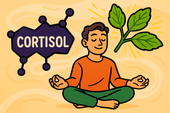
Holy Basil and Cortisol Control
Holy basil, or Tulsi, is one of nature’s most powerful adaptogens 🌿. Revered in Ayurvedic medicine for centuries, it helps balance cortisol, calm the mind, and protect the body from stress. Learn how holy basil restores hormonal harmony, supports energy, and promotes emotional resilience in a fast-paced world.
-
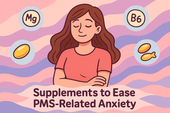
Supplements to Ease PMS-Related Anxiety
Hormones are the body’s messengers — guiding mood, energy, metabolism, and balance. 🌿 When these chemical signals flow in harmony, life feels stable and calm. Learn how nutrients, sleep, and stress management help keep hormonal communication clear, supporting emotional steadiness and overall vitality.
-
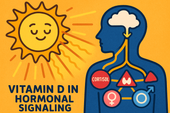
The Role of Vitamin D in Hormonal Signaling
Testosterone is more than a hormone — it’s a signal of strength, motivation, and vitality 💪. Learn how this key molecule shapes energy, mood, muscle growth, and focus in both men and women. Discover how nutrition, vitamin D, and minerals like zinc and magnesium support healthy testosterone signaling for balanced power and performance.
-
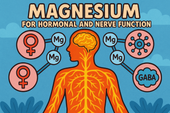
Magnesium for Hormonal and Nerve Function
Magnesium is the mineral that connects calm and vitality ⚡. It fuels nerve transmission, supports hormonal balance, and restores the body’s ability to relax under stress. Learn how magnesium strengthens communication between the nervous and endocrine systems, stabilizing cortisol, thyroid, and reproductive hormones for true equilibrium.
-

Zinc and Its Role in Hormonal Stability
Zinc is one of the body’s most powerful regulators ⚖️—a trace mineral that keeps hormones, metabolism, and energy in perfect rhythm. Learn how zinc supports testosterone, thyroid function, cortisol balance, and emotional stability while protecting against modern stress and deficiency. Discover why restoring zinc can help your body feel grounded, focused, and hormonally resilient.
-
GABA and L-Theanine for Instant Nervous System Relief
When stress hits, your nervous system needs relief — not more stimulation 🌿. Discover how GABA and L-theanine work together to calm the body, quiet racing thoughts, and restore inner balance. Learn the science behind these natural compounds that ease tension, support emotional stability, and bring instant peace without sedation.
-
B-Vitamins for Faster Nerve Communication
Vitamin B1, or thiamine, is your brain’s ignition key 🔑—turning food into cellular energy and powering rapid nerve signaling. Discover how this essential nutrient fuels neurotransmitter activity, supports focus and coordination, and prevents fatigue or mental fog. Learn why maintaining optimal thiamine levels keeps your nerves firing fast and your mind sharp.
-

Supplements That Help You Stay Alert Without Anxiety
L-theanine is nature’s secret for calm focus and balanced energy 🌿. Found in green tea, this gentle amino acid promotes relaxation, supports alpha brain waves, and helps you stay alert without stress or grogginess. Discover how L-theanine can enhance focus, improve sleep quality, and restore mental calm in a fast-paced world.
-
CoQ10 for Energy and Nerve Function
CoQ10 powers every cell in your body—from your heart to your brain ⚡. Learn how this essential compound fuels mitochondria, boosts nerve function, and protects your brain from oxidative stress. Discover how supplementing with CoQ10 can restore energy, sharpen focus, and support long-term neurological vitality.
-
Supplements That Support Nerve Signaling for Mental Energy
Your brain’s electrical network depends on magnesium—one of the most vital minerals for nerve signaling, calm focus, and steady mental energy ⚡. Learn how this essential nutrient powers neurotransmission, supports relaxation, and helps protect your nervous system from stress overload—so your mind feels balanced, alert, and resilient every day.
-
L-Theanine for Sleep Without Grogginess
L-theanine offers a natural path to better sleep—without the next-day fog. 🌙 Found in green tea, this gentle amino acid calms the mind, lowers stress hormones, and promotes deep relaxation without sedation. Learn how L-theanine balances your brainwaves, reduces nighttime anxiety, and helps you wake up refreshed, alert, and clear-minded.
-

Supplements to Support the Circadian Rhythm
Your body’s natural clock depends on more than just sunlight—it also relies on key nutrients to stay in sync. 🌞🌙 Discover the best supplements to support your circadian rhythm, from melatonin and magnesium for deep sleep to vitamin D and adaptogens for morning energy. Learn how to realign your internal clock for better rest, sharper focus, and stable mood every day.
-

Melatonin and Cortisol: The Night vs. Day Hormones
Melatonin and cortisol are your body’s night-and-day hormones—one helping you drift into deep sleep, the other powering your alertness each morning. 🌙☀️ Learn how these two forces work together to regulate your energy, mood, and recovery. Discover how modern stress, artificial light, and poor routines can throw them off balance—and how to naturally reset your rhythm for calm nights and focused days.
-
Supplements for Deeper Sleep and Nervous System Reset
Struggling to sleep even when you’re exhausted? 🌙 Discover how to reset your nervous system and achieve deeper, more restorative rest with the right blend of supplements, breathwork, and therapy. From magnesium and L-theanine to slow exhalations and somatic healing, this guide helps you rebuild your body’s natural rhythm of calm and recovery—so you can wake up truly renewed.
-

Rhodiola Rosea for Emotional Stability: Finding Balance Through Resilience
Stress is the body’s natural alarm system — useful in bursts, but draining when it never turns off. Learning to regulate it helps restore calm focus, emotional balance, and physical vitality. 🌿💫
-
Valerian Root for Reducing Overreaction: Calming the Mind’s Alarm System
GABA is the brain’s natural brake pedal — calming overstimulation and helping you think clearly under stress. When balanced, it brings a sense of inner peace, emotional control, and focus. 🌿🧠💫
-

Supporting Adrenal Health for a Steadier Mood
Cortisol is the body’s built-in stress alarm — essential in short bursts but harmful when constantly elevated. Learning to balance it naturally restores calm, focus, and emotional stability. 🌿⚖️
-
Cold Showers and Adaptogens for a Reset: Reclaiming Energy, Calm, and Control
Adaptogens help the body adapt to stress, restoring calm energy and balance. These ancient herbs strengthen resilience, regulate mood, and support focus — helping you stay grounded through life’s ups and downs. 🌿💫
-
L-Theanine + Caffeine: The Perfect Combo for Overcoming Mental Blocks
Neurotransmitters are the brain’s messengers — tiny molecules that shape how we think, feel, and focus. When they’re in balance, we experience calm energy, clear thinking, and emotional harmony. 🌿🧠✨
-
How Magnesium Supports Focus and Reduces Procrastination Fatigue
Magnesium is the quiet mineral behind mental clarity and steady focus. By calming the nervous system and restoring cellular energy, it helps transform fatigue and overthinking into calm, productive flow. 🌿⚡🧠
-

B Vitamins for Beating Procrastination and Boosting Energy
Procrastination isn’t just a mindset — it’s often a signal of low energy and nutrient depletion. B vitamins recharge the brain’s motivation circuits, boosting focus, clarity, and the drive to take action. 🌿⚡🧠
-
Zinc and Self-Confidence: Can It Reduce Feelings of Powerlessness?
Zinc isn’t just a mineral — it’s the foundation of emotional strength. By balancing neurotransmitters and calming the nervous system, it helps you feel more centered, assertive, and confident from the inside out. 🌿💪
-
How Vitamin D Deficiency Impacts Emotional Resilience in Co-Dependent Patterns
Co-dependency is the emotional tug-of-war between connection and self-loss — a pattern born from giving too much and receiving too little. Learning to untangle this dynamic allows for real love rooted in balance, not fear. 🌿💛
-
B Vitamins for Mood Stability and Self-Worth in Co-Dependency
Vitamin B1, or thiamine, powers both the body and the brain — fueling focus, energy, and emotional clarity. Supporting your nervous system with this essential nutrient helps restore calm and mental resilience. 🌿⚡🧠
-
Chamomile and Valerian Root: Gentle Natural Options for Anxiety in Parkinson’s
Anxiety often feels like a storm inside the mind — racing thoughts, tightness, and unease that make it hard to focus or rest. But learning to understand and calm that inner storm opens the door to peace and emotional balance. 🌿🧠
-
Melatonin and Parkinson’s: Natural Sleep Support Without Dependence
Melatonin is the body’s natural sleep hormone — guiding your mind into rest and your body into recovery. Supporting its natural rhythm can improve sleep quality, mood, and overall health without dependence. 🌙🧠
-
Choline and Brain Health in ADHD: What You Should Know
Inflammation can quietly affect both the body and mind, disrupting focus, mood, and energy. Understanding how it works — and how to calm it — is key to restoring balance, clarity, and long-term health. 🌿🧠
-
Creating a Calming Nighttime Routine with Supplements for OCD
Sleep is the brain’s nightly repair ritual — a time when emotional chaos settles and clarity returns. Prioritizing deep rest restores focus, calm, and resilience, helping both the body and mind recover naturally. 🌙🧠
-
How to Safely Combine OCD Medications with Natural Supplements
Supplements bridge the gap between nutrition and mental wellness — supporting focus, calm, and energy from within. The right combination of nutrients can help balance mood, sharpen the mind, and restore long-term resilience. 🌿🧠
-
Building a Supplement Routine for OCD Symptom Relief
OCD can feel like being trapped in your own thoughts — a battle between control and chaos. Understanding the science behind these cycles is the first step toward breaking free and finding calm within the mind. 🌿🧠
-
Curcumin and Brain Inflammation in OCD: Can It Help?
Inflammation doesn’t just affect the body — it can silently influence the brain, fueling anxiety, fatigue, and mental fog. By understanding how inflammation works, we can learn how to calm the nervous system and restore inner balance. 🌿🧠
-
Probiotics and the Gut-Brain Connection in OCD
Serotonin, often called the “feel-good” chemical, shapes our mood, focus, and emotional balance. By keeping this neurotransmitter in harmony, we support calm thinking, better sleep, and greater mental resilience. 🌿🧠
-

B Vitamins and OCD: Supporting Energy and Neurotransmitter Balance
OCD isn’t just about habits — it’s about the brain’s struggle to find control in chaos. Understanding the neurological roots behind intrusive thoughts can help replace fear with clarity and guide healing toward calm awareness. 🌿🧠
-
Zinc and OCD: The Mineral’s Role in Mental Health
Zinc is more than a trace mineral — it’s a key regulator of mood, memory, and emotional balance. By stabilizing neurotransmitters like serotonin and glutamate, zinc helps calm obsessive thought patterns and supports overall mental clarity. 🌿🧠
-
N-Acetylcysteine (NAC) and OCD: Promising Research Findings
Antioxidants act as the body’s natural defense system, neutralizing free radicals that damage brain cells and worsen anxiety or fatigue. Supporting antioxidant balance with nutrition and supplements helps protect focus, memory, and emotional stability. 🌿🧠
-
Memory Stacks: Combining Supplements for Best Results
Memory weaves the story of who we are — connecting past, present, and future through every experience we store and recall. Strengthening memory means nurturing the brain’s energy, balance, and emotional calm so learning becomes effortless. 🌿🧠
-
How Sleep Supplements Improve Memory Consolidation
Stress can cloud thinking, disrupt sleep, and weaken memory — but understanding its effects on the brain is the first step toward calm. By learning to regulate the nervous system, we can protect focus, energy, and emotional balance. 🌿🧠
-
L-Theanine and Focused Memory Processing
Science is the art of curiosity and precision — a quest to understand the unseen patterns that shape life. From molecules to galaxies, every discovery begins with observation, imagination, and the courage to ask “why.” 🔬💡
-
Rhodiola Rosea and Memory Under Stress
Stress clouds memory, slows thinking, and drains energy — but the good news is, the brain can recover. By understanding how stress affects focus and emotion, we can learn to regulate it, restore clarity, and protect long-term cognitive health. 🌿🧠
-

Ashwagandha for Stress-Related Memory Issues
Adaptogens are nature’s answer to modern stress. These powerful herbs — like Ashwagandha, Rhodiola, and Holy Basil — help balance cortisol, support calm focus, and strengthen the body’s resilience, bringing the mind back to harmony. 🌿🧘♀️


