
Rhodiola Rosea and Memory Under Stress
Introduction
The modern world never truly stops — deadlines, screens, and endless noise keep our minds in a near-constant state of pressure. For many, this relentless pace doesn’t just cause fatigue; it blurs focus, dulls creativity, and slowly erodes memory. In the midst of all this overstimulation, nature offers a remarkable ally — Rhodiola rosea, an adaptogenic herb from the cold mountains of Siberia and Scandinavia.
Known for centuries as the “golden root,” Rhodiola has been used by monks, warriors, and explorers to sharpen the mind, increase endurance, and calm the body under strain. Modern science confirms what ancient cultures knew intuitively: Rhodiola helps the brain adapt — not by numbing stress, but by strengthening the systems that withstand it.
Today, researchers are uncovering its powerful effects on memory and cognition, especially in times of stress. It’s more than just an energizer; Rhodiola appears to protect memory, preserve focus, and balance the stress response that often sabotages mental clarity.
Let’s explore how stress impairs memory — and how this resilient Arctic herb restores the brain’s ability to think clearly, remember deeply, and perform gracefully under pressure. 🌿✨
Looking for supplements for This? Click here.
The Fragile Balance Between Stress and Memory

Stress is an inevitable part of life, but the way our brains respond to it determines whether it sharpens us or breaks us down. Short bursts of stress can enhance memory by boosting alertness and adrenaline. But when stress becomes chronic — as it often does in modern life — it disrupts the brain’s delicate biochemistry.
The hippocampus, the region responsible for forming and storing long-term memories, is especially sensitive to stress hormones like cortisol. When cortisol levels stay elevated for too long, neurons in the hippocampus become damaged, leading to slower learning, poor recall, and mental fog.
At the same time, chronic stress hijacks the prefrontal cortex — the part of the brain responsible for decision-making and focus — while overactivating the amygdala, the brain’s emotional alarm center. This imbalance makes it difficult to concentrate and easier to forget, especially when emotions run high.
The result is a familiar modern experience: your body feels wired, but your mind feels scattered.
Rhodiola rosea offers a unique antidote to this state. Rather than artificially stimulating the brain, it restores equilibrium, helping neurons function more efficiently under pressure and protecting them from the wear-and-tear of chronic stress. 🌿🧘
The Adaptogenic Power of Rhodiola 🌱
Rhodiola is classified as an adaptogen, meaning it helps the body adapt to physical, mental, and emotional stress while maintaining balance across multiple systems. Unlike caffeine, which provides temporary stimulation followed by a crash, Rhodiola gently modulates stress hormones, promoting energy without exhaustion and focus without anxiety.
The secret to its power lies in its bioactive compounds — rosavins and salidroside — which act synergistically to regulate neurotransmitters, boost mitochondrial function, and stabilize the body’s stress response.
When stress triggers the hypothalamic-pituitary-adrenal (HPA) axis, Rhodiola intervenes by normalizing cortisol production. It prevents the wild hormonal fluctuations that cause fatigue, brain fog, and burnout. This regulation keeps the brain alert yet calm — a state in which memory thrives.
In short, Rhodiola doesn’t suppress stress; it teaches the brain to manage it more effectively, transforming chaos into clarity. 🌿💭
The Link Between Stress and Memory Decline
Under chronic stress, the brain’s chemistry begins to shift. The hippocampus becomes less effective at encoding new memories, and the prefrontal cortex struggles to maintain working memory — the ability to hold information in mind while performing a task.
This is why people under constant pressure often say, “I can’t think straight.” Stress narrows attention, prioritizing survival over reflection. In evolutionary terms, this was adaptive — if you’re escaping danger, there’s no need to recall your grocery list. But in modern life, this survival response is always “on,” turning mild stress into mental erosion.
Rhodiola helps interrupt this cycle by supporting healthy cortisol rhythms and improving blood flow to the brain. It ensures that oxygen and glucose — the brain’s fuel — reach neurons efficiently, even under strain.
This oxygenation effect explains why Rhodiola has long been prized by mountaineers and athletes: it enhances endurance by optimizing cellular energy production. For the brain, this means more energy for focus, memory, and creativity — even during fatigue or stress. 🌿⚡
How Rhodiola Supports Memory
Rhodiola enhances memory through a combination of biochemical and neurological mechanisms. First, it increases the availability of key neurotransmitters — dopamine, serotonin, and acetylcholine — all of which are essential for attention, learning, and recall.
Dopamine supports motivation and drive, helping you stay engaged with mental tasks. Serotonin stabilizes mood, preventing emotional overload that interferes with memory. Acetylcholine enhances signal transmission between neurons, directly improving learning and information retention.
Research suggests that Rhodiola boosts the sensitivity of serotonin and dopamine receptors, allowing the brain to use these neurotransmitters more efficiently without overstimulation. This balance fosters calm focus, the mental state most conducive to long-term memory formation.
Additionally, Rhodiola improves synaptic plasticity — the brain’s ability to form new neural connections. Chronic stress stiffens neural circuits, making learning harder, but Rhodiola’s antioxidant and neuroprotective effects help restore flexibility.
In essence, it gives the brain room to breathe again. 🌿🧠
Rhodiola and Cortisol Regulation: Memory’s Silent Guardian
The relationship between cortisol and memory is like a pendulum. Too little, and energy drops; too much, and cognition suffers. Chronic high cortisol damages hippocampal neurons and disrupts sleep — both of which are vital for memory consolidation.
Rhodiola’s adaptogenic properties help normalize cortisol rhythms, allowing the brain to enter restorative states more easily. Multiple clinical trials show that Rhodiola reduces perceived stress and lowers cortisol in people under chronic strain.
One landmark study published in Phytomedicine (2009) followed individuals with stress-related fatigue over 28 days. Participants who took Rhodiola extract reported significant improvements in concentration, memory, and mental performance — even under ongoing stress.
This “resetting” of cortisol rhythms gives the hippocampus the stability it needs to do its job — to record, organize, and retrieve information efficiently. The result is not just less stress, but a sharper mind. 🌿✨
Cognitive Endurance and Mental Energy
Memory doesn’t just depend on how well the brain encodes information — it also depends on how much energy it has to do so. The brain consumes about 20% of the body’s total energy, and under stress, this demand increases even more.
Rhodiola enhances mitochondrial function — the process by which cells generate energy. By increasing ATP (adenosine triphosphate) production, Rhodiola ensures that neurons have the fuel they need to maintain high-level cognitive tasks for longer periods.
This effect is especially noticeable in conditions of fatigue or mental overload. In controlled studies, Rhodiola improved mental performance, reaction time, and accuracy among doctors working long night shifts — one of the most stressful cognitive environments imaginable.
By boosting endurance at the cellular level, Rhodiola helps keep memory sharp even when the mind is under pressure. Instead of crashing, you stay composed, energized, and alert. 🌿⚙️
Looking for supplements for This? Click here.
Neuroprotection: Preserving the Brain Against Stress Damage
Chronic stress triggers oxidative damage, creating free radicals that attack neuronal membranes and DNA. This oxidative stress accelerates aging in the brain, leading to slower thinking and increased forgetfulness.
Rhodiola protects against this through its antioxidant compounds, particularly salidroside. These compounds neutralize free radicals and upregulate the brain’s own defense enzymes, such as superoxide dismutase and glutathione peroxidase.
In addition, Rhodiola stimulates the production of heat shock proteins (HSPs) — protective molecules that repair damaged cells and enhance stress resilience at the molecular level. This process helps preserve the structural integrity of neurons and maintain efficient communication across synapses.
Over time, this means Rhodiola doesn’t just improve performance — it helps slow the cognitive wear and tear caused by chronic stress. Your memory doesn’t just recover; it becomes more resilient. 🌿🧬
The Emotional Side of Memory
Memory is never purely logical — it’s emotional. Stress colors our memories, often making negative experiences more vivid and positive ones less so. This emotional bias skews perception and drains mental energy.
Rhodiola gently balances emotional tone by influencing serotonin and beta-endorphin activity, which lift mood and reduce feelings of anxiety or despair. The herb has a natural “brightening” effect — not euphoric, but steadying — that helps emotional memories integrate more smoothly.
When emotional regulation improves, memory becomes clearer. You remember facts without being overwhelmed by their emotional charge. You can process challenges without slipping into fatigue or rumination.
In this way, Rhodiola helps harmonize the heart and mind, allowing you to remember with clarity rather than tension. 🌿💞
Rhodiola and Learning Under Pressure
Students, professionals, and athletes alike face performance environments where stress and learning intersect. The ability to recall information or execute complex skills while under pressure depends on the stability of the HPA axis and neurotransmitter systems.
Rhodiola enhances learning under stress by increasing mental adaptability. In animal studies, it improved both short-term and long-term memory retention after exposure to stressors. Human trials mirror these findings: participants report faster mental recovery after errors, improved task recall, and less mental fatigue.
In one study from Planta Medica (2000), healthy volunteers taking Rhodiola extract showed better performance on mental tasks involving memory and concentration compared to placebo — particularly under fatigue conditions.
These effects make Rhodiola ideal for anyone facing high cognitive demands: students during exams, professionals with heavy workloads, or individuals adapting to new challenges. The more pressure you face, the more clearly its benefits appear. 🌿💭
Sleep, Recovery, and Memory Consolidation
Sleep is when the brain consolidates memories — transferring short-term experiences into long-term storage. Stress disrupts this cycle by elevating nighttime cortisol and reducing REM sleep, the stage critical for memory integration.
Rhodiola helps by promoting deeper, more restorative sleep. Its ability to stabilize circadian rhythms ensures that cortisol levels drop naturally in the evening, allowing the nervous system to unwind.
Although Rhodiola is mildly stimulating during the day, it paradoxically supports better sleep at night by preventing overactivation of the stress response. Many users report improved morning clarity and reduced grogginess after several weeks of consistent use.
This rhythmic balance — energy by day, rest by night — is the foundation of optimal memory and cognitive health. 🌙🌿
Emotional Resilience: Memory Without Burnout
One of the subtle ways Rhodiola enhances memory is by preserving emotional energy. Chronic stress drains not only focus but also willpower and motivation — the psychological fuel needed to engage fully with life and learning.
By reducing fatigue and restoring optimism, Rhodiola rekindles curiosity and mental stamina. Studies show that individuals who take Rhodiola report feeling more capable, motivated, and emotionally stable — qualities that directly influence the brain’s capacity to retain new information.
In other words, it doesn’t just make the brain smarter; it makes the mind more willing to learn. 🌿✨
Rhodiola in Modern Use: The Science and Tradition
For centuries, Rhodiola was used by Russian and Scandinavian healers to fight fatigue, enhance memory, and improve endurance in harsh conditions. Soviet scientists later studied it extensively during the mid-20th century, particularly for its use among soldiers, astronauts, and athletes who needed to perform at peak under pressure.
Modern research has expanded this understanding. Rhodiola’s effects on cognition, fatigue resistance, and mental clarity have been demonstrated in numerous controlled trials. In a 2015 systematic review, researchers concluded that Rhodiola “produces significant improvements in mental performance and decreases fatigue in stressful conditions.”
Its dual nature — stimulating yet calming, energizing yet grounding — makes it uniquely suited to modern stress. Where stimulants exhaust the system, Rhodiola rebuilds it.
This is why many nootropic experts call it the “resilience herb” — because it strengthens rather than depletes, restores rather than excites. 🌿⚖️
The Subtle Art of Adaptation
What sets Rhodiola apart from other nootropics or energy boosters is its adaptability. Its effects change according to the body’s needs. When you’re fatigued, it energizes; when you’re tense, it soothes.
This intelligent adaptability is the essence of an adaptogen — a substance that doesn’t force balance but restores it naturally.
Memory, too, thrives in this balance. The mind remembers best when it’s calm but alert, energized but centered. Rhodiola cultivates this state effortlessly, making it a gentle yet powerful ally for anyone whose mental performance suffers under pressure. 🌿🧘
Integrating Rhodiola Into Daily Life
To experience Rhodiola’s full effects, consistency is key. Clinical studies typically use standardized extracts containing 3% rosavins and 1% salidroside, taken at doses of 200–400 mg per day.
It works best when taken in the morning or early afternoon, as it supports daytime energy and alertness. The effects often become noticeable within a week or two, but the deeper improvements — in memory, focus, and stress tolerance — emerge after a month of consistent use.
Rhodiola pairs well with other adaptogens like Ashwagandha (for calm resilience) or nootropics like Bacopa monnieri (for deeper memory support). Together, they form a synergistic blend that strengthens cognitive health holistically.
The goal isn’t stimulation — it’s stability. 🌿💚
Conclusion 🌿🧠✨
In a world that demands constant mental agility, stress is the silent thief of memory. It fogs the mind, weakens focus, and turns daily tasks into uphill battles. Yet within this struggle lies the potential for renewal — and Rhodiola rosea is one of nature’s finest tools for unlocking it.
By regulating cortisol, enhancing energy production, and protecting neurons, Rhodiola restores the balance that memory and clarity depend on. It helps the brain stay resilient under pressure, allowing you to remember not just facts, but your sense of calm and confidence.
Rhodiola teaches a profound truth: memory does not thrive in force but in flow. When the mind learns to adapt — to breathe amid chaos — clarity returns naturally.
In every capsule, every root, every mountain-grown leaf, Rhodiola carries the wisdom of endurance — the promise that even under stress, the mind can remain clear, strong, and deeply alive. 🌿💫
Looking for online therapy ? Click Here.
References
Darbinyan, V., et al. (2000). Rhodiola rosea in stress-induced fatigue—a double-blind cross-over study of a standardized extract SHR-5 with a repeated low-dose regimen on the mental performance of healthy physicians during night duty. Phytomedicine, 7(5), 365–371.
Panossian, A., et al. (2009). Effects of Rhodiola rosea on stress-induced fatigue and cognitive function. Phytomedicine, 16(7), 617–631.
Spasov, A. A., et al. (2000). A double-blind, placebo-controlled pilot study of the stimulating and adaptogenic effect of Rhodiola rosea SHR-5 extract on the fatigue of students caused by stress during an examination period. Phytomedicine, 7(2), 85–89.
Ishaque, S., et al. (2012). Rhodiola rosea for physical and mental fatigue: A systematic review. BMC Complementary and Alternative Medicine, 12(1), 70.
Kelly, G. S. (2001). Rhodiola rosea: A possible plant adaptogen. Alternative Medicine Review, 6(3), 293–302.
Related Posts
-

Supplements for Staying Present and Grounded
L-Theanine is nature’s calm focus enhancer 🍃. Derived from green tea, it promotes relaxation without drowsiness by balancing GABA, serotonin, and dopamine. Learn how this amino acid supports smooth focus, emotional balance, and mindful presence in daily life.
-
Supplements That Support Emotional Openness
Emotional openness starts in the body 🌿. When your nervous system feels safe, your heart can express freely. Learn how supplements like magnesium, Ashwagandha, and L-theanine support calm connection, balanced emotions, and the courage to stay authentically open.
-

Daily Supplement Routine for Consistent Confidence
Confidence is built through rhythm, not luck 🌿. A daily supplement routine can help your energy, mood, and focus stay balanced from morning to night. Learn how adaptogens, magnesium, and B vitamins work together to create steady calm and lasting self-assurance.
-
Supplement Timing Tips for Social Success
Social confidence has its own rhythm 🌿. When you time your supplements to match your body’s natural energy cycles, calm and focus align effortlessly. Learn how magnesium, L-theanine, and adaptogens can help you stay grounded, charismatic, and fully present at just the right moment.
-

Supplements for Confident Public Speaking
Public speaking confidence begins with biology 🎤🌿. When your nervous system is calm and your neurotransmitters are balanced, your voice, focus, and presence flow naturally. Learn how supplements like magnesium, GABA, and adaptogens can align your body’s chemistry with the calm clarity you need to speak authentically.
-

Travel-Friendly Supplements for On-the-Go Confidence
Magnesium is the ultimate travel mineral for calm and balance ✈️🌿. It relaxes the nervous system, eases stress from jet lag or fatigue, and supports muscle and mental recovery. Discover how this essential nutrient keeps you centered, focused, and energized wherever your journey takes you.
-

Supplements for Confident Video Calls
Magnesium is the mineral that brings calm to both body and mind 🌿. It supports relaxation, better sleep, and a stable mood by regulating cortisol and soothing the nervous system. Learn how magnesium supplements can restore balance, reduce anxiety, and help you feel centered under stress.
-

Ashwagandha for Calming the Stress Response
Ashwagandha helps your body remember how to relax 🌿. As one of the most trusted adaptogens, it calms the stress response by lowering cortisol, soothing the nervous system, and restoring natural energy balance. Learn how this ancient herb promotes deeper sleep, emotional steadiness, and resilience in today’s high-stress world.
-

How GABA Supplements Can Help You Feel Grounded
GABA is the brain’s natural calm signal 🌿. When life feels overwhelming, this neurotransmitter helps quiet mental noise, relax muscles, and restore emotional balance. Learn how GABA supplements can calm the nervous system, reduce anxiety, and help you feel grounded in your body again.
-
Rhodiola Rosea for Energy Without Overstimulation
Rhodiola rosea offers a rare kind of energy — one rooted in calm, not chaos 🌿. Known as the golden root, this adaptogen enhances endurance, focus, and mood by balancing cortisol and supporting the nervous system. Discover how Rhodiola restores natural vitality without the overstimulation of caffeine or stress-driven fatigue.
-
Holy Basil and Cortisol Control
Holy basil, or Tulsi, is one of nature’s most powerful adaptogens 🌿. Revered in Ayurvedic medicine for centuries, it helps balance cortisol, calm the mind, and protect the body from stress. Learn how holy basil restores hormonal harmony, supports energy, and promotes emotional resilience in a fast-paced world.
-
Supplements to Ease PMS-Related Anxiety
Hormones are the body’s messengers — guiding mood, energy, metabolism, and balance. 🌿 When these chemical signals flow in harmony, life feels stable and calm. Learn how nutrients, sleep, and stress management help keep hormonal communication clear, supporting emotional steadiness and overall vitality.
-
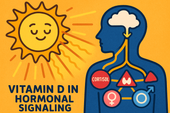
The Role of Vitamin D in Hormonal Signaling
Testosterone is more than a hormone — it’s a signal of strength, motivation, and vitality 💪. Learn how this key molecule shapes energy, mood, muscle growth, and focus in both men and women. Discover how nutrition, vitamin D, and minerals like zinc and magnesium support healthy testosterone signaling for balanced power and performance.
-
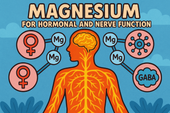
Magnesium for Hormonal and Nerve Function
Magnesium is the mineral that connects calm and vitality ⚡. It fuels nerve transmission, supports hormonal balance, and restores the body’s ability to relax under stress. Learn how magnesium strengthens communication between the nervous and endocrine systems, stabilizing cortisol, thyroid, and reproductive hormones for true equilibrium.
-

Zinc and Its Role in Hormonal Stability
Zinc is one of the body’s most powerful regulators ⚖️—a trace mineral that keeps hormones, metabolism, and energy in perfect rhythm. Learn how zinc supports testosterone, thyroid function, cortisol balance, and emotional stability while protecting against modern stress and deficiency. Discover why restoring zinc can help your body feel grounded, focused, and hormonally resilient.
-
GABA and L-Theanine for Instant Nervous System Relief
When stress hits, your nervous system needs relief — not more stimulation 🌿. Discover how GABA and L-theanine work together to calm the body, quiet racing thoughts, and restore inner balance. Learn the science behind these natural compounds that ease tension, support emotional stability, and bring instant peace without sedation.
-
B-Vitamins for Faster Nerve Communication
Vitamin B1, or thiamine, is your brain’s ignition key 🔑—turning food into cellular energy and powering rapid nerve signaling. Discover how this essential nutrient fuels neurotransmitter activity, supports focus and coordination, and prevents fatigue or mental fog. Learn why maintaining optimal thiamine levels keeps your nerves firing fast and your mind sharp.
-

Supplements That Help You Stay Alert Without Anxiety
L-theanine is nature’s secret for calm focus and balanced energy 🌿. Found in green tea, this gentle amino acid promotes relaxation, supports alpha brain waves, and helps you stay alert without stress or grogginess. Discover how L-theanine can enhance focus, improve sleep quality, and restore mental calm in a fast-paced world.
-
CoQ10 for Energy and Nerve Function
CoQ10 powers every cell in your body—from your heart to your brain ⚡. Learn how this essential compound fuels mitochondria, boosts nerve function, and protects your brain from oxidative stress. Discover how supplementing with CoQ10 can restore energy, sharpen focus, and support long-term neurological vitality.
-
Supplements That Support Nerve Signaling for Mental Energy
Your brain’s electrical network depends on magnesium—one of the most vital minerals for nerve signaling, calm focus, and steady mental energy ⚡. Learn how this essential nutrient powers neurotransmission, supports relaxation, and helps protect your nervous system from stress overload—so your mind feels balanced, alert, and resilient every day.
-
L-Theanine for Sleep Without Grogginess
L-theanine offers a natural path to better sleep—without the next-day fog. 🌙 Found in green tea, this gentle amino acid calms the mind, lowers stress hormones, and promotes deep relaxation without sedation. Learn how L-theanine balances your brainwaves, reduces nighttime anxiety, and helps you wake up refreshed, alert, and clear-minded.
-

Supplements to Support the Circadian Rhythm
Your body’s natural clock depends on more than just sunlight—it also relies on key nutrients to stay in sync. 🌞🌙 Discover the best supplements to support your circadian rhythm, from melatonin and magnesium for deep sleep to vitamin D and adaptogens for morning energy. Learn how to realign your internal clock for better rest, sharper focus, and stable mood every day.
-

Melatonin and Cortisol: The Night vs. Day Hormones
Melatonin and cortisol are your body’s night-and-day hormones—one helping you drift into deep sleep, the other powering your alertness each morning. 🌙☀️ Learn how these two forces work together to regulate your energy, mood, and recovery. Discover how modern stress, artificial light, and poor routines can throw them off balance—and how to naturally reset your rhythm for calm nights and focused days.
-

Supplements for Deeper Sleep and Nervous System Reset
Struggling to sleep even when you’re exhausted? 🌙 Discover how to reset your nervous system and achieve deeper, more restorative rest with the right blend of supplements, breathwork, and therapy. From magnesium and L-theanine to slow exhalations and somatic healing, this guide helps you rebuild your body’s natural rhythm of calm and recovery—so you can wake up truly renewed.
-
Rhodiola Rosea for Emotional Stability: Finding Balance Through Resilience
Stress is the body’s natural alarm system — useful in bursts, but draining when it never turns off. Learning to regulate it helps restore calm focus, emotional balance, and physical vitality. 🌿💫
-
Valerian Root for Reducing Overreaction: Calming the Mind’s Alarm System
GABA is the brain’s natural brake pedal — calming overstimulation and helping you think clearly under stress. When balanced, it brings a sense of inner peace, emotional control, and focus. 🌿🧠💫
-

Supporting Adrenal Health for a Steadier Mood
Cortisol is the body’s built-in stress alarm — essential in short bursts but harmful when constantly elevated. Learning to balance it naturally restores calm, focus, and emotional stability. 🌿⚖️
-

Cold Showers and Adaptogens for a Reset: Reclaiming Energy, Calm, and Control
Adaptogens help the body adapt to stress, restoring calm energy and balance. These ancient herbs strengthen resilience, regulate mood, and support focus — helping you stay grounded through life’s ups and downs. 🌿💫
-
L-Theanine + Caffeine: The Perfect Combo for Overcoming Mental Blocks
Neurotransmitters are the brain’s messengers — tiny molecules that shape how we think, feel, and focus. When they’re in balance, we experience calm energy, clear thinking, and emotional harmony. 🌿🧠✨
-
How Magnesium Supports Focus and Reduces Procrastination Fatigue
Magnesium is the quiet mineral behind mental clarity and steady focus. By calming the nervous system and restoring cellular energy, it helps transform fatigue and overthinking into calm, productive flow. 🌿⚡🧠
-

B Vitamins for Beating Procrastination and Boosting Energy
Procrastination isn’t just a mindset — it’s often a signal of low energy and nutrient depletion. B vitamins recharge the brain’s motivation circuits, boosting focus, clarity, and the drive to take action. 🌿⚡🧠
-
Zinc and Self-Confidence: Can It Reduce Feelings of Powerlessness?
Zinc isn’t just a mineral — it’s the foundation of emotional strength. By balancing neurotransmitters and calming the nervous system, it helps you feel more centered, assertive, and confident from the inside out. 🌿💪
-
How Vitamin D Deficiency Impacts Emotional Resilience in Co-Dependent Patterns
Co-dependency is the emotional tug-of-war between connection and self-loss — a pattern born from giving too much and receiving too little. Learning to untangle this dynamic allows for real love rooted in balance, not fear. 🌿💛
-
B Vitamins for Mood Stability and Self-Worth in Co-Dependency
Vitamin B1, or thiamine, powers both the body and the brain — fueling focus, energy, and emotional clarity. Supporting your nervous system with this essential nutrient helps restore calm and mental resilience. 🌿⚡🧠
-
Chamomile and Valerian Root: Gentle Natural Options for Anxiety in Parkinson’s
Anxiety often feels like a storm inside the mind — racing thoughts, tightness, and unease that make it hard to focus or rest. But learning to understand and calm that inner storm opens the door to peace and emotional balance. 🌿🧠
-
Melatonin and Parkinson’s: Natural Sleep Support Without Dependence
Melatonin is the body’s natural sleep hormone — guiding your mind into rest and your body into recovery. Supporting its natural rhythm can improve sleep quality, mood, and overall health without dependence. 🌙🧠
-
Choline and Brain Health in ADHD: What You Should Know
Inflammation can quietly affect both the body and mind, disrupting focus, mood, and energy. Understanding how it works — and how to calm it — is key to restoring balance, clarity, and long-term health. 🌿🧠
-
Creating a Calming Nighttime Routine with Supplements for OCD
Sleep is the brain’s nightly repair ritual — a time when emotional chaos settles and clarity returns. Prioritizing deep rest restores focus, calm, and resilience, helping both the body and mind recover naturally. 🌙🧠
-
How to Safely Combine OCD Medications with Natural Supplements
Supplements bridge the gap between nutrition and mental wellness — supporting focus, calm, and energy from within. The right combination of nutrients can help balance mood, sharpen the mind, and restore long-term resilience. 🌿🧠
-
Building a Supplement Routine for OCD Symptom Relief
OCD can feel like being trapped in your own thoughts — a battle between control and chaos. Understanding the science behind these cycles is the first step toward breaking free and finding calm within the mind. 🌿🧠
-
Curcumin and Brain Inflammation in OCD: Can It Help?
Inflammation doesn’t just affect the body — it can silently influence the brain, fueling anxiety, fatigue, and mental fog. By understanding how inflammation works, we can learn how to calm the nervous system and restore inner balance. 🌿🧠
-
Probiotics and the Gut-Brain Connection in OCD
Serotonin, often called the “feel-good” chemical, shapes our mood, focus, and emotional balance. By keeping this neurotransmitter in harmony, we support calm thinking, better sleep, and greater mental resilience. 🌿🧠
-

B Vitamins and OCD: Supporting Energy and Neurotransmitter Balance
OCD isn’t just about habits — it’s about the brain’s struggle to find control in chaos. Understanding the neurological roots behind intrusive thoughts can help replace fear with clarity and guide healing toward calm awareness. 🌿🧠
-
Zinc and OCD: The Mineral’s Role in Mental Health
Zinc is more than a trace mineral — it’s a key regulator of mood, memory, and emotional balance. By stabilizing neurotransmitters like serotonin and glutamate, zinc helps calm obsessive thought patterns and supports overall mental clarity. 🌿🧠
-
N-Acetylcysteine (NAC) and OCD: Promising Research Findings
Antioxidants act as the body’s natural defense system, neutralizing free radicals that damage brain cells and worsen anxiety or fatigue. Supporting antioxidant balance with nutrition and supplements helps protect focus, memory, and emotional stability. 🌿🧠
-
Memory Stacks: Combining Supplements for Best Results
Memory weaves the story of who we are — connecting past, present, and future through every experience we store and recall. Strengthening memory means nurturing the brain’s energy, balance, and emotional calm so learning becomes effortless. 🌿🧠
-
How Sleep Supplements Improve Memory Consolidation
Stress can cloud thinking, disrupt sleep, and weaken memory — but understanding its effects on the brain is the first step toward calm. By learning to regulate the nervous system, we can protect focus, energy, and emotional balance. 🌿🧠
-
L-Theanine and Focused Memory Processing
Science is the art of curiosity and precision — a quest to understand the unseen patterns that shape life. From molecules to galaxies, every discovery begins with observation, imagination, and the courage to ask “why.” 🔬💡
-
Ashwagandha for Stress-Related Memory Issues
Adaptogens are nature’s answer to modern stress. These powerful herbs — like Ashwagandha, Rhodiola, and Holy Basil — help balance cortisol, support calm focus, and strengthen the body’s resilience, bringing the mind back to harmony. 🌿🧘♀️


