
CoQ10 for Energy and Nerve Function
Introduction
If you’ve ever felt mentally drained, physically sluggish, or emotionally flat despite good sleep and nutrition, your body might be running low on one of its most important cellular nutrients—Coenzyme Q10 (CoQ10).
This remarkable molecule fuels the production of energy inside every cell, including those in your brain and nervous system. Without enough CoQ10, your neurons—the cells responsible for thought, memory, and nerve signaling—can’t perform at full power. The result is fatigue, poor focus, and even neurological decline over time.
In this article, we’ll explore what CoQ10 does for energy metabolism, nerve protection, and mental vitality, how deficiencies happen, and which forms of supplementation can help restore that deep, cellular spark your body depends on.
Looking for supplements for This? Click here.
🌞 What Is CoQ10?
CoQ10, or coenzyme Q10, is a naturally occurring compound found in every cell of your body. It’s located primarily in the mitochondria, the energy-producing centers sometimes called your cells’ “power plants.”
Its structure allows it to do two vital things:
Generate energy (ATP) — the molecule that powers every heartbeat, thought, and muscle contraction.
Act as an antioxidant — protecting cells from oxidative stress caused by free radicals.
The brain, heart, and muscles are especially rich in mitochondria and therefore have the highest demand for CoQ10. These are also the organs that suffer most when levels drop.
Your body can produce CoQ10 on its own, but age, chronic stress, certain medications, and oxidative damage can significantly reduce its synthesis. As early as your 30s, CoQ10 levels start to decline naturally, which can lead to noticeable dips in both physical stamina and cognitive sharpness.
⚙️ CoQ10 and Cellular Energy Production

To understand why CoQ10 is so crucial for energy, we need to look inside the mitochondria. Here, nutrients from food are converted into ATP through a process called the electron transport chain.
CoQ10 acts as a shuttle—transferring electrons between enzymes to help generate ATP efficiently. Think of it like a spark plug in your car engine: small but essential. Without it, energy production slows down dramatically.
In the brain, this means neurons struggle to fire signals rapidly. In the body, muscles tire easily, and even basic activities can feel draining.
That’s why CoQ10 supplementation is often described as “recharging your cellular batteries.” It doesn’t provide energy like caffeine does—it restores the machinery that makes energy from within.
🧠 CoQ10 and Nerve Function
Your nervous system relies on electrical and chemical signals traveling through neurons at lightning speed. These signals require enormous amounts of energy to maintain the correct voltage, recycle neurotransmitters, and keep communication clear.
When mitochondrial function declines, the nervous system becomes sluggish and error-prone. CoQ10 helps maintain healthy axon function (the part of neurons that transmits impulses) and supports the production of myelin, the protective sheath around nerve fibers that ensures fast signaling.
In animal and human studies, CoQ10 has shown the ability to:
Protect neurons from oxidative stress
Support healthy dopamine and serotonin signaling
Slow nerve degeneration in conditions like neuropathy and Parkinson’s disease
Improve brain metabolism and focus
Essentially, it keeps your neurons young—energetic, resilient, and quick to respond.
🔋 The Brain-Body Connection: CoQ10 and Mental Energy
Mental fatigue often feels different from physical tiredness. You may not feel sleepy, but your focus collapses, your motivation drops, and your thoughts feel heavy. This mental fog is often a mitochondrial problem, not just a psychological one.
The brain consumes about 20% of your total body energy. That’s an enormous demand for an organ that weighs only a few pounds. When mitochondria can’t meet that demand, brain function slows. CoQ10 supplementation helps restore the brain’s energetic rhythm—allowing neurons to fire efficiently and maintain clear signaling networks.
Many users report sharper thinking, faster recall, and a sustained sense of mental stamina when taking CoQ10 regularly. It’s subtle but profound—like upgrading your internal battery from half-charge to full capacity.
🧬 The Antioxidant Powerhouse
In addition to producing energy, CoQ10 is a potent antioxidant—one of the few that works inside the mitochondria themselves.
Every time a cell generates ATP, it also creates reactive oxygen species (ROS)—unstable molecules that can damage DNA, membranes, and proteins. The brain, with its high oxygen use and delicate fat composition, is particularly vulnerable to this kind of oxidative damage.
CoQ10 neutralizes these radicals before they can cause harm. This antioxidant defense is especially valuable for preventing neurodegenerative diseases like Alzheimer’s, Parkinson’s, and multiple sclerosis, which all involve mitochondrial dysfunction and oxidative stress.
By maintaining mitochondrial integrity, CoQ10 keeps both energy production and nerve protection in perfect balance.
🌿 CoQ10 for Peripheral Nerve Health
While most discussions of CoQ10 focus on brain energy, its benefits extend throughout the nervous system—particularly to the peripheral nerves, which transmit signals from the brain and spinal cord to the rest of the body.
Peripheral neuropathy—characterized by tingling, numbness, and weakness in the limbs—often arises from oxidative stress, diabetes, or medication side effects. CoQ10 helps by improving oxygen delivery to nerves and reducing inflammation in these tissues.
In clinical research, CoQ10 supplementation has improved symptoms in people with diabetic neuropathy and chemotherapy-induced nerve pain. By restoring mitochondrial function and reducing nerve inflammation, it helps repair and stabilize these delicate communication lines.
⚖️ How CoQ10 Supports Heart and Brain Together
The connection between heart health and brain health runs through the mitochondria. Both organs depend on CoQ10-rich cells for constant energy. That’s why low CoQ10 levels are often seen in people with cardiovascular issues—and why improving heart energy also enhances mental sharpness.
The same mechanism that strengthens heart muscle cells—boosting ATP production and reducing oxidative stress—also supports cerebral blood flow and oxygen delivery to the brain.
When your heart and brain are in sync energetically, you experience not only better endurance but also emotional stability, clarity, and a greater sense of vitality.
🌙 CoQ10 and Sleep Quality
Although CoQ10 is associated with energy, it doesn’t cause overstimulation like caffeine. In fact, by improving mitochondrial efficiency, it can enhance sleep quality indirectly.
When your cells produce energy more efficiently, the body’s overall rhythm stabilizes. Studies show CoQ10 may reduce nighttime oxidative stress and promote better oxygenation during sleep, especially in people with sleep apnea or chronic fatigue.
Many users report feeling more refreshed upon waking, with fewer morning “energy dips.” This points to CoQ10’s role in supporting the restorative phase of sleep, where mitochondria perform crucial repairs.
🔄 Ubiquinone vs. Ubiquinol: What’s the Difference?
CoQ10 exists in two forms: ubiquinone (the oxidized form) and ubiquinol (the active antioxidant form). Your body naturally converts ubiquinone into ubiquinol, but this process becomes less efficient with age.
Ubiquinol is more bioavailable, meaning it’s absorbed more easily into the bloodstream and tissues. For younger individuals or those with good metabolic health, ubiquinone is sufficient. For older adults, people with chronic illness, or those taking statin medications, ubiquinol may be more effective.
Both forms ultimately serve the same function: restoring mitochondrial energy and protecting nerves from oxidative damage.
💊 CoQ10 and Statin Medications
Statin drugs, commonly used to lower cholesterol, can significantly deplete CoQ10 levels because they block the same biochemical pathway used to synthesize it. This depletion explains why some people experience muscle weakness, fatigue, or brain fog when taking statins.
Supplementing with CoQ10 can help counteract these side effects. Clinical trials show that CoQ10 not only restores energy production in muscles but also supports cognitive clarity in statin users.
For anyone on long-term statin therapy, CoQ10 isn’t just a helpful addition—it’s almost a necessity.
🧘 CoQ10 and Stress Resilience
Chronic stress wears down the nervous system by increasing cortisol, inflammation, and free radical production. Over time, this damages mitochondria and lowers your body’s baseline energy output.
CoQ10 helps the body recover from stress by stabilizing mitochondrial membranes and improving resilience to oxidative damage. It enhances heart rate variability (HRV)—a key marker of autonomic balance—helping your body shift smoothly between alertness and relaxation.
In short, CoQ10 strengthens your ability to handle stress without burning out, preserving both mental calm and physical stamina.
🌿 Nutrients That Work Synergistically with CoQ10
CoQ10’s power multiplies when combined with other supportive nutrients.
Magnesium helps activate ATP molecules produced by CoQ10.
B-vitamins fuel the biochemical pathways of energy metabolism.
Omega-3 fatty acids support mitochondrial membranes.
Alpha-lipoic acid regenerates CoQ10’s antioxidant potential.
Together, these compounds create an environment of sustained vitality and clear thinking—energy that’s smooth, steady, and free of crashes.
🧩 CoQ10 and Cognitive Decline
Mitochondrial dysfunction is one of the earliest signs of neurodegenerative diseases. When neurons lose their ability to generate ATP efficiently, they begin to accumulate damage, misfire, and eventually die.
Research has shown that CoQ10 supplementation can slow these processes by improving mitochondrial respiration and reducing oxidative damage to brain tissue. In Parkinson’s models, CoQ10 delayed motor and cognitive decline. In Alzheimer’s studies, it reduced beta-amyloid toxicity and improved synaptic function.
While not a cure, CoQ10 is increasingly viewed as a neuroprotective molecule—a compound that helps preserve the function and longevity of nerve cells.
💥 Signs You Might Need More CoQ10
You might benefit from additional CoQ10 if you experience:
Persistent fatigue despite good sleep
Brain fog or slow thinking
Muscle weakness or soreness
Tingling or burning sensations in the limbs
Mood instability or low motivation
Long-term statin use or chronic illness
Your body’s demand for CoQ10 rises during stress, aging, or high metabolic activity. Supplementation can help restore those reserves, often producing subtle but noticeable improvements in energy and mood within a few weeks.
🌱 Choosing the Right Supplement
When selecting a CoQ10 supplement, look for:
Ubiquinol form for maximum absorption (especially if over 40).
Oil-based softgels or liposomal CoQ10, since it’s fat-soluble.
Trusted brands with third-party purity testing.
Typical daily doses range from 100 to 300 mg, depending on individual needs. Athletes, older adults, and those on statins may benefit from higher doses under medical supervision.
CoQ10 works best when taken with meals containing healthy fats—like avocado, olive oil, or salmon—for optimal absorption.
🌟 CoQ10 in Everyday Life
Imagine your brain as a city powered by millions of electric lights. Every thought, every movement, every heartbeat depends on those lights staying on. CoQ10 is the generator behind that brilliance—it fuels each flicker of consciousness and keeps the grid from dimming.
When levels are optimal, you feel grounded yet vibrant. Your focus sharpens, your mood steadies, and your stamina returns. It’s not a stimulant; it’s a restoration of your biological rhythm, from the smallest mitochondria to the broadest neural networks.
That’s why CoQ10 isn’t just another supplement—it’s an essential part of staying alive with energy, clarity, and purpose.
⚡ Conclusion: Energy Starts at the Nerve
True vitality doesn’t come from pushing harder—it comes from fueling smarter. CoQ10 operates at the crossroads of energy and protection, powering your mitochondria while shielding them from damage.
For your brain and nervous system, that means quicker communication, steadier moods, sharper cognition, and a deeper reserve of calm endurance. Whether you’re managing stress, supporting longevity, or simply wanting to feel awake in the fullest sense, CoQ10 gives your body the charge it was designed to run on.
Your nerves are electrical. Your energy is cellular. And CoQ10 is the molecule that brings them both to life.
Looking for online therapy ? Click Here.
📚 References
Ernster L., Dallner G. “Biochemical, physiological and medical aspects of ubiquinone function.” Biochim Biophys Acta. 1995.
Littarru G.P., Tiano L. “Clinical aspects of coenzyme Q10: an update.” Curr Opin Clin Nutr Metab Care. 2005.
Crane F.L. “Biochemical functions of coenzyme Q10.” J Am Coll Nutr. 2001.
Lee B.J. et al. “Coenzyme Q10 supplementation and oxidative stress in humans.” Nutrition. 2012.
Matthews R.T. et al. “Coenzyme Q10 administration increases brain mitochondrial concentrations and improves energy metabolism.” Proc Natl Acad Sci USA. 1998.
Garrido-Maraver J. et al. “Coenzyme Q10 therapy.” Mol Syndromol. 2014.
Pal S., Singh R. “CoQ10 in neurological diseases: mechanisms and therapeutic potential.” Neurochem Int. 2019.
Related Posts
-

Supplements for Staying Present and Grounded
L-Theanine is nature’s calm focus enhancer 🍃. Derived from green tea, it promotes relaxation without drowsiness by balancing GABA, serotonin, and dopamine. Learn how this amino acid supports smooth focus, emotional balance, and mindful presence in daily life.
-

Supplements That Support Emotional Openness
Emotional openness starts in the body 🌿. When your nervous system feels safe, your heart can express freely. Learn how supplements like magnesium, Ashwagandha, and L-theanine support calm connection, balanced emotions, and the courage to stay authentically open.
-
Daily Supplement Routine for Consistent Confidence
Confidence is built through rhythm, not luck 🌿. A daily supplement routine can help your energy, mood, and focus stay balanced from morning to night. Learn how adaptogens, magnesium, and B vitamins work together to create steady calm and lasting self-assurance.
-
Supplement Timing Tips for Social Success
Social confidence has its own rhythm 🌿. When you time your supplements to match your body’s natural energy cycles, calm and focus align effortlessly. Learn how magnesium, L-theanine, and adaptogens can help you stay grounded, charismatic, and fully present at just the right moment.
-

Supplements for Confident Public Speaking
Public speaking confidence begins with biology 🎤🌿. When your nervous system is calm and your neurotransmitters are balanced, your voice, focus, and presence flow naturally. Learn how supplements like magnesium, GABA, and adaptogens can align your body’s chemistry with the calm clarity you need to speak authentically.
-

Travel-Friendly Supplements for On-the-Go Confidence
Magnesium is the ultimate travel mineral for calm and balance ✈️🌿. It relaxes the nervous system, eases stress from jet lag or fatigue, and supports muscle and mental recovery. Discover how this essential nutrient keeps you centered, focused, and energized wherever your journey takes you.
-

Supplements for Confident Video Calls
Magnesium is the mineral that brings calm to both body and mind 🌿. It supports relaxation, better sleep, and a stable mood by regulating cortisol and soothing the nervous system. Learn how magnesium supplements can restore balance, reduce anxiety, and help you feel centered under stress.
-

Ashwagandha for Calming the Stress Response
Ashwagandha helps your body remember how to relax 🌿. As one of the most trusted adaptogens, it calms the stress response by lowering cortisol, soothing the nervous system, and restoring natural energy balance. Learn how this ancient herb promotes deeper sleep, emotional steadiness, and resilience in today’s high-stress world.
-

How GABA Supplements Can Help You Feel Grounded
GABA is the brain’s natural calm signal 🌿. When life feels overwhelming, this neurotransmitter helps quiet mental noise, relax muscles, and restore emotional balance. Learn how GABA supplements can calm the nervous system, reduce anxiety, and help you feel grounded in your body again.
-
Rhodiola Rosea for Energy Without Overstimulation
Rhodiola rosea offers a rare kind of energy — one rooted in calm, not chaos 🌿. Known as the golden root, this adaptogen enhances endurance, focus, and mood by balancing cortisol and supporting the nervous system. Discover how Rhodiola restores natural vitality without the overstimulation of caffeine or stress-driven fatigue.
-
Holy Basil and Cortisol Control
Holy basil, or Tulsi, is one of nature’s most powerful adaptogens 🌿. Revered in Ayurvedic medicine for centuries, it helps balance cortisol, calm the mind, and protect the body from stress. Learn how holy basil restores hormonal harmony, supports energy, and promotes emotional resilience in a fast-paced world.
-
Supplements to Ease PMS-Related Anxiety
Hormones are the body’s messengers — guiding mood, energy, metabolism, and balance. 🌿 When these chemical signals flow in harmony, life feels stable and calm. Learn how nutrients, sleep, and stress management help keep hormonal communication clear, supporting emotional steadiness and overall vitality.
-
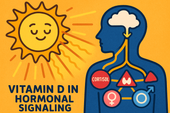
The Role of Vitamin D in Hormonal Signaling
Testosterone is more than a hormone — it’s a signal of strength, motivation, and vitality 💪. Learn how this key molecule shapes energy, mood, muscle growth, and focus in both men and women. Discover how nutrition, vitamin D, and minerals like zinc and magnesium support healthy testosterone signaling for balanced power and performance.
-
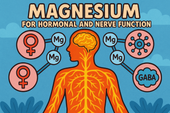
Magnesium for Hormonal and Nerve Function
Magnesium is the mineral that connects calm and vitality ⚡. It fuels nerve transmission, supports hormonal balance, and restores the body’s ability to relax under stress. Learn how magnesium strengthens communication between the nervous and endocrine systems, stabilizing cortisol, thyroid, and reproductive hormones for true equilibrium.
-

Zinc and Its Role in Hormonal Stability
Zinc is one of the body’s most powerful regulators ⚖️—a trace mineral that keeps hormones, metabolism, and energy in perfect rhythm. Learn how zinc supports testosterone, thyroid function, cortisol balance, and emotional stability while protecting against modern stress and deficiency. Discover why restoring zinc can help your body feel grounded, focused, and hormonally resilient.
-
GABA and L-Theanine for Instant Nervous System Relief
When stress hits, your nervous system needs relief — not more stimulation 🌿. Discover how GABA and L-theanine work together to calm the body, quiet racing thoughts, and restore inner balance. Learn the science behind these natural compounds that ease tension, support emotional stability, and bring instant peace without sedation.
-
B-Vitamins for Faster Nerve Communication
Vitamin B1, or thiamine, is your brain’s ignition key 🔑—turning food into cellular energy and powering rapid nerve signaling. Discover how this essential nutrient fuels neurotransmitter activity, supports focus and coordination, and prevents fatigue or mental fog. Learn why maintaining optimal thiamine levels keeps your nerves firing fast and your mind sharp.
-

Supplements That Help You Stay Alert Without Anxiety
L-theanine is nature’s secret for calm focus and balanced energy 🌿. Found in green tea, this gentle amino acid promotes relaxation, supports alpha brain waves, and helps you stay alert without stress or grogginess. Discover how L-theanine can enhance focus, improve sleep quality, and restore mental calm in a fast-paced world.
-
Supplements That Support Nerve Signaling for Mental Energy
Your brain’s electrical network depends on magnesium—one of the most vital minerals for nerve signaling, calm focus, and steady mental energy ⚡. Learn how this essential nutrient powers neurotransmission, supports relaxation, and helps protect your nervous system from stress overload—so your mind feels balanced, alert, and resilient every day.
-
L-Theanine for Sleep Without Grogginess
L-theanine offers a natural path to better sleep—without the next-day fog. 🌙 Found in green tea, this gentle amino acid calms the mind, lowers stress hormones, and promotes deep relaxation without sedation. Learn how L-theanine balances your brainwaves, reduces nighttime anxiety, and helps you wake up refreshed, alert, and clear-minded.
-

Supplements to Support the Circadian Rhythm
Your body’s natural clock depends on more than just sunlight—it also relies on key nutrients to stay in sync. 🌞🌙 Discover the best supplements to support your circadian rhythm, from melatonin and magnesium for deep sleep to vitamin D and adaptogens for morning energy. Learn how to realign your internal clock for better rest, sharper focus, and stable mood every day.
-

Melatonin and Cortisol: The Night vs. Day Hormones
Melatonin and cortisol are your body’s night-and-day hormones—one helping you drift into deep sleep, the other powering your alertness each morning. 🌙☀️ Learn how these two forces work together to regulate your energy, mood, and recovery. Discover how modern stress, artificial light, and poor routines can throw them off balance—and how to naturally reset your rhythm for calm nights and focused days.
-
Supplements for Deeper Sleep and Nervous System Reset
Struggling to sleep even when you’re exhausted? 🌙 Discover how to reset your nervous system and achieve deeper, more restorative rest with the right blend of supplements, breathwork, and therapy. From magnesium and L-theanine to slow exhalations and somatic healing, this guide helps you rebuild your body’s natural rhythm of calm and recovery—so you can wake up truly renewed.
-

Rhodiola Rosea for Emotional Stability: Finding Balance Through Resilience
Stress is the body’s natural alarm system — useful in bursts, but draining when it never turns off. Learning to regulate it helps restore calm focus, emotional balance, and physical vitality. 🌿💫
-
Valerian Root for Reducing Overreaction: Calming the Mind’s Alarm System
GABA is the brain’s natural brake pedal — calming overstimulation and helping you think clearly under stress. When balanced, it brings a sense of inner peace, emotional control, and focus. 🌿🧠💫
-

Supporting Adrenal Health for a Steadier Mood
Cortisol is the body’s built-in stress alarm — essential in short bursts but harmful when constantly elevated. Learning to balance it naturally restores calm, focus, and emotional stability. 🌿⚖️
-

Cold Showers and Adaptogens for a Reset: Reclaiming Energy, Calm, and Control
Adaptogens help the body adapt to stress, restoring calm energy and balance. These ancient herbs strengthen resilience, regulate mood, and support focus — helping you stay grounded through life’s ups and downs. 🌿💫
-
L-Theanine + Caffeine: The Perfect Combo for Overcoming Mental Blocks
Neurotransmitters are the brain’s messengers — tiny molecules that shape how we think, feel, and focus. When they’re in balance, we experience calm energy, clear thinking, and emotional harmony. 🌿🧠✨
-
How Magnesium Supports Focus and Reduces Procrastination Fatigue
Magnesium is the quiet mineral behind mental clarity and steady focus. By calming the nervous system and restoring cellular energy, it helps transform fatigue and overthinking into calm, productive flow. 🌿⚡🧠
-

B Vitamins for Beating Procrastination and Boosting Energy
Procrastination isn’t just a mindset — it’s often a signal of low energy and nutrient depletion. B vitamins recharge the brain’s motivation circuits, boosting focus, clarity, and the drive to take action. 🌿⚡🧠
-
Zinc and Self-Confidence: Can It Reduce Feelings of Powerlessness?
Zinc isn’t just a mineral — it’s the foundation of emotional strength. By balancing neurotransmitters and calming the nervous system, it helps you feel more centered, assertive, and confident from the inside out. 🌿💪
-
How Vitamin D Deficiency Impacts Emotional Resilience in Co-Dependent Patterns
Co-dependency is the emotional tug-of-war between connection and self-loss — a pattern born from giving too much and receiving too little. Learning to untangle this dynamic allows for real love rooted in balance, not fear. 🌿💛
-
B Vitamins for Mood Stability and Self-Worth in Co-Dependency
Vitamin B1, or thiamine, powers both the body and the brain — fueling focus, energy, and emotional clarity. Supporting your nervous system with this essential nutrient helps restore calm and mental resilience. 🌿⚡🧠
-
Chamomile and Valerian Root: Gentle Natural Options for Anxiety in Parkinson’s
Anxiety often feels like a storm inside the mind — racing thoughts, tightness, and unease that make it hard to focus or rest. But learning to understand and calm that inner storm opens the door to peace and emotional balance. 🌿🧠
-
Melatonin and Parkinson’s: Natural Sleep Support Without Dependence
Melatonin is the body’s natural sleep hormone — guiding your mind into rest and your body into recovery. Supporting its natural rhythm can improve sleep quality, mood, and overall health without dependence. 🌙🧠
-
Choline and Brain Health in ADHD: What You Should Know
Inflammation can quietly affect both the body and mind, disrupting focus, mood, and energy. Understanding how it works — and how to calm it — is key to restoring balance, clarity, and long-term health. 🌿🧠
-
Creating a Calming Nighttime Routine with Supplements for OCD
Sleep is the brain’s nightly repair ritual — a time when emotional chaos settles and clarity returns. Prioritizing deep rest restores focus, calm, and resilience, helping both the body and mind recover naturally. 🌙🧠
-
How to Safely Combine OCD Medications with Natural Supplements
Supplements bridge the gap between nutrition and mental wellness — supporting focus, calm, and energy from within. The right combination of nutrients can help balance mood, sharpen the mind, and restore long-term resilience. 🌿🧠
-
Building a Supplement Routine for OCD Symptom Relief
OCD can feel like being trapped in your own thoughts — a battle between control and chaos. Understanding the science behind these cycles is the first step toward breaking free and finding calm within the mind. 🌿🧠
-
Curcumin and Brain Inflammation in OCD: Can It Help?
Inflammation doesn’t just affect the body — it can silently influence the brain, fueling anxiety, fatigue, and mental fog. By understanding how inflammation works, we can learn how to calm the nervous system and restore inner balance. 🌿🧠
-
Probiotics and the Gut-Brain Connection in OCD
Serotonin, often called the “feel-good” chemical, shapes our mood, focus, and emotional balance. By keeping this neurotransmitter in harmony, we support calm thinking, better sleep, and greater mental resilience. 🌿🧠
-

B Vitamins and OCD: Supporting Energy and Neurotransmitter Balance
OCD isn’t just about habits — it’s about the brain’s struggle to find control in chaos. Understanding the neurological roots behind intrusive thoughts can help replace fear with clarity and guide healing toward calm awareness. 🌿🧠
-
Zinc and OCD: The Mineral’s Role in Mental Health
Zinc is more than a trace mineral — it’s a key regulator of mood, memory, and emotional balance. By stabilizing neurotransmitters like serotonin and glutamate, zinc helps calm obsessive thought patterns and supports overall mental clarity. 🌿🧠
-
N-Acetylcysteine (NAC) and OCD: Promising Research Findings
Antioxidants act as the body’s natural defense system, neutralizing free radicals that damage brain cells and worsen anxiety or fatigue. Supporting antioxidant balance with nutrition and supplements helps protect focus, memory, and emotional stability. 🌿🧠
-
Memory Stacks: Combining Supplements for Best Results
Memory weaves the story of who we are — connecting past, present, and future through every experience we store and recall. Strengthening memory means nurturing the brain’s energy, balance, and emotional calm so learning becomes effortless. 🌿🧠
-
How Sleep Supplements Improve Memory Consolidation
Stress can cloud thinking, disrupt sleep, and weaken memory — but understanding its effects on the brain is the first step toward calm. By learning to regulate the nervous system, we can protect focus, energy, and emotional balance. 🌿🧠
-
L-Theanine and Focused Memory Processing
Science is the art of curiosity and precision — a quest to understand the unseen patterns that shape life. From molecules to galaxies, every discovery begins with observation, imagination, and the courage to ask “why.” 🔬💡
-
Rhodiola Rosea and Memory Under Stress
Stress clouds memory, slows thinking, and drains energy — but the good news is, the brain can recover. By understanding how stress affects focus and emotion, we can learn to regulate it, restore clarity, and protect long-term cognitive health. 🌿🧠
-

Ashwagandha for Stress-Related Memory Issues
Adaptogens are nature’s answer to modern stress. These powerful herbs — like Ashwagandha, Rhodiola, and Holy Basil — help balance cortisol, support calm focus, and strengthen the body’s resilience, bringing the mind back to harmony. 🌿🧘♀️


