
The Overlap Between Fibromyalgia and Anxiety: Can Supplements Help?
Introduction
Fibromyalgia is one of the most complex and misunderstood conditions in modern medicine. Characterized by chronic widespread pain, fatigue, brain fog, and sleep disturbance, it affects millions — mostly women — around the world. But beneath the physical pain lies something deeper and often invisible: a profound connection between body and mind.
For many people living with fibromyalgia, anxiety is not just a secondary symptom — it’s woven into the condition itself. Both disorders share overlapping pathways in the nervous system, stress response, and brain chemistry. When anxiety flares, pain intensifies; when pain worsens, anxiety spirals.
This intricate dance between tension, inflammation, and emotion suggests that healing must be multidimensional — soothing the mind as much as supporting the muscles and nerves.
And that’s where nutritional supplements can play a meaningful role. While they aren’t a cure, certain compounds help regulate the body’s stress systems, calm overactive nerves, and reduce inflammatory processes linked to both pain and anxiety.
Let’s explore how fibromyalgia and anxiety intertwine — and how natural compounds like magnesium, B vitamins, omega-3s, adaptogens, and amino acids can help restore balance. 💫
Looking for supplements for This? Click here.
🧠 Fibromyalgia and the Overactive Nervous System
Fibromyalgia is often described as a “central sensitization syndrome” — meaning the nervous system becomes hypersensitive to sensory input. A light touch may feel painful; normal muscle fatigue may feel unbearable.
This hypersensitivity stems from amplified pain signaling in the brain and spinal cord. The regions that process pain — such as the insula, amygdala, and anterior cingulate cortex — become overactive, while the inhibitory systems that normally dampen pain become underactive.
Anxiety follows a similar pattern of overactivation, particularly in the amygdala, the brain’s alarm center. Both disorders share disrupted communication between the limbic system (emotion) and the prefrontal cortex (reasoning).
In other words, fibromyalgia and anxiety are both disorders of dysregulated neurocommunication — where the nervous system loses its ability to distinguish between safety and threat.
When the brain perceives constant threat, the body responds accordingly: muscles tense, heart rate increases, and cortisol remains elevated. Over time, this chronic state of alarm burns out the body’s resilience, causing exhaustion, immune imbalance, and heightened pain sensitivity. 🌿
💫 The Body’s Stress Response

The connection between fibromyalgia and anxiety becomes clearer when we look at the hypothalamic-pituitary-adrenal (HPA) axis — the body’s central stress regulator.
Under chronic stress, this axis becomes dysregulated. Cortisol, the body’s primary stress hormone, may be high at the wrong times or too low when energy is needed. This hormonal chaos feeds both anxiety and physical pain, keeping the system trapped in a loop of tension.
Studies show that fibromyalgia patients often have blunted cortisol rhythms, low levels in the morning, and elevated levels at night — which explains why many struggle with poor sleep and morning stiffness.
Restoring this natural rhythm — calming the body without sedating it — is key to recovery. And here, targeted supplementation can be surprisingly effective. 🌙
🌿 The Gut–Brain–Pain Axis
Recent research has revealed a third player in the fibromyalgia–anxiety connection: the gut microbiome.
The gut is lined with nerve endings that communicate directly with the brain through the vagus nerve. When gut bacteria are imbalanced (a condition called dysbiosis), inflammatory molecules and stress signals can travel to the brain, triggering pain sensitivity and mood disorders.
In fact, fibromyalgia patients often have altered gut bacteria linked to both inflammation and anxiety symptoms. This gut–brain–pain connection means that nutrition and supplementation targeting microbiome balance — such as probiotics, magnesium, and omega-3 fatty acids — may relieve both mental and physical discomfort simultaneously.
Healing, it seems, begins from the inside out. 🌿
💤 Magnesium: The Relaxation Mineral
Few nutrients are as relevant to fibromyalgia and anxiety as magnesium. Known as the body’s natural tranquilizer, magnesium supports over 300 biochemical reactions — many of which regulate the nervous system.
Low magnesium levels are common in people with chronic stress, insomnia, or muscle pain. This deficiency increases nerve excitability and muscle contraction, amplifying pain signals and creating physical tension.
Magnesium calms the NMDA receptors in the brain, preventing overactivation that leads to both pain hypersensitivity and anxiety. It also boosts GABA, the main calming neurotransmitter that helps the mind unwind and promotes sleep.
Clinical studies show magnesium can reduce anxiety, improve sleep, and relieve fibromyalgia-related muscle soreness. The glycinate and malate forms are particularly effective — gentle on the stomach and highly bioavailable.
By replenishing this mineral, the body’s alarm system learns to quiet itself again. 💫
🌾 B Vitamins: Fuel for the Nervous System
The B vitamin family — particularly B1 (thiamine), B6 (pyridoxine), B9 (folate), and B12 (methylcobalamin) — are crucial for maintaining stable mood, nerve repair, and energy production.
In fibromyalgia, chronic stress drains B vitamins faster than they can be replenished. Low B12 and folate levels have been linked to nerve pain, fatigue, and cognitive fog — while B6 and B3 deficiencies affect serotonin and dopamine synthesis, increasing anxiety.
These vitamins work together to regulate homocysteine, a molecule that rises during stress and inflammation. Elevated homocysteine damages blood vessels and impairs neurotransmitter function — contributing to brain fog and low mood.
Supplementing with a balanced B-complex can restore metabolic balance, support mitochondrial function (the cell’s energy engines), and help rebuild the brain’s stress resilience.
When the brain’s biochemical foundation is strong, both pain and anxiety begin to ease. 🌿
🧠 Omega-3 Fatty Acids: Calming Inflammation
Fibromyalgia is not primarily a muscle disorder — it’s an inflammatory nervous system condition. And inflammation is the language of imbalance.
Omega-3 fatty acids, particularly EPA and DHA, found in fish oil and algae, help reduce neuroinflammation, regulate serotonin receptors, and promote healthy brain cell communication.
Deficiencies in omega-3s are linked to mood disorders, fatigue, and pain amplification. In clinical research, supplementation has been shown to improve depression, reduce inflammatory markers, and even enhance pain thresholds.
For people with fibromyalgia, omega-3s may help restore membrane fluidity in nerve cells, allowing for smoother signaling between neurons and reducing the “static” of anxiety-driven overactivity.
In combination with magnesium and B vitamins, they form a potent trio for calming the nervous system from both biochemical and structural levels. 🌾
Looking for supplements for This? Click here.
🌿 Adaptogens: Nature’s Stress Harmonizers
When the nervous system lives in fight-or-flight mode, it needs more than nutrients — it needs balance. Adaptogens, a class of herbs that modulate the body’s response to stress, help achieve this balance naturally.
Among them, Ashwagandha (Withania somnifera) stands out for its ability to lower cortisol, reduce anxiety, and improve sleep quality. It acts on the HPA axis, restoring the body’s natural rhythm between activity and rest.
Clinical trials show that Ashwagandha can significantly reduce perceived stress and fatigue while improving overall quality of life in individuals with chronic anxiety.
Another adaptogen, Rhodiola rosea, boosts energy and resilience without overstimulation, supporting the “wired and tired” state common in fibromyalgia.
These herbs don’t mask stress — they re-educate the nervous system to respond to it more gracefully. 🌿
💫 CoQ10 and Cellular Energy
People with fibromyalgia often describe a deep, cellular fatigue — as if their bodies have lost their spark.
This exhaustion is partly due to mitochondrial dysfunction — the energy-producing structures within cells that are impaired by oxidative stress.
Coenzyme Q10 (CoQ10) supports mitochondrial energy production and acts as an antioxidant, protecting cells from free radical damage. Low CoQ10 levels have been documented in fibromyalgia patients, correlating with fatigue, pain, and poor sleep.
Supplementation can improve stamina, reduce muscle soreness, and enhance mood — suggesting that even the smallest molecule of energy can rekindle hope. 🌞
🧘 L-Theanine and GABA: The Chemistry of Calm
Fibromyalgia’s anxious edge often comes from overactive brain waves — too much high-frequency beta activity linked to worry and tension.
Natural compounds like L-theanine, an amino acid found in green tea, help shift the brain into relaxed alpha states without drowsiness. It increases GABA and dopamine levels, reducing physiological markers of anxiety such as elevated heart rate and blood pressure.
For individuals with SSD-like anxiety patterns or fibromyalgia-related hypervigilance, L-theanine offers a calm alertness — a moment of stillness in the storm.
Paired with magnesium, it deepens relaxation and improves focus, supporting both the cognitive and emotional aspects of recovery. 🌙
🌿 Vitamin D and Immune Modulation
Vitamin D is not only a bone nutrient; it is also a neurosteroid hormone that influences mood, pain perception, and immune function.
Deficiency has been strongly linked to both fibromyalgia and generalized anxiety disorder. Low vitamin D contributes to inflammation, poor muscle repair, and altered serotonin activity in the brain.
Supplementing vitamin D — ideally in conjunction with magnesium, which aids its activation — can reduce pain intensity, improve sleep, and enhance mood stability.
Exposure to morning sunlight, combined with supplementation when needed, supports circadian health and gently resets the nervous system’s rhythm. 🌞
💫 Sleep: The Ultimate Supplement
No healing is possible without sleep.
Fibromyalgia disrupts deep slow-wave sleep, preventing the body from repairing tissues and resetting the nervous system. Anxiety worsens this by flooding the body with cortisol at night.
Natural supplements such as magnesium glycinate, glycine, L-theanine, and melatonin help reestablish restorative sleep cycles.
When sleep deepens, the body’s inflammation decreases, neurotransmitter balance improves, and pain sensitivity lowers. The anxious mind begins to quiet.
Sleep, more than any pill, remains nature’s most potent medicine for fibromyalgia. 🌙
🌿 The Emotional Layer: Healing the Body’s Story
Behind fibromyalgia and anxiety lies a shared emotional theme: the body holding what the mind could not process.
Many individuals with fibromyalgia have histories of chronic stress, emotional trauma, or long-term caregiving — experiences that condition the nervous system to stay alert.
When the stress is unrelenting, the body itself becomes the storyteller, translating emotion into sensation.
Nutrients and adaptogens help stabilize the chemistry of resilience, but healing also requires self-compassion, therapy, and body awareness — learning to inhabit the body without fear again.
Somatic practices like gentle yoga, breathwork, and trauma-informed therapy complement supplementation beautifully, creating a synergy of biological and emotional repair. 💫
🌾 What Science Says
Researchers now view fibromyalgia not as a localized pain disorder but as a systemic dysregulation — a crossroad between neurobiology, immunology, and emotion.
Several clinical studies confirm the benefits of nutritional and botanical interventions:
Magnesium and malic acid combinations reduce fibromyalgia pain and tenderness.
Omega-3 supplementation lowers inflammatory markers and improves mood.
Vitamin D correction reduces fatigue and pain thresholds.
Ashwagandha and Rhodiola improve stress tolerance and energy regulation.
CoQ10 enhances mitochondrial function, reducing fatigue.
These results don’t point to a single cure but to an ecosystem of healing — where the brain, body, and spirit collaborate again. 🌿
💚 Integrative Healing: A New Model for Fibromyalgia and Anxiety
The overlap between fibromyalgia and anxiety teaches us something profound about the human condition: pain and emotion are not separate; they are two languages of the same nervous system.
Supplements, in this view, are not mere biochemical tools — they are bridges that help the body find balance again.
Magnesium soothes the nerves; omega-3s reduce inflammation; B vitamins support energy and neurotransmission; Ashwagandha restores adaptability. Together, they help the body remember safety.
But the foundation remains holistic — rest, therapy, movement, mindfulness, and love. Healing isn’t about silencing pain; it’s about helping the body feel safe enough to stop shouting. 🌿
🌙 Conclusion: From Overwhelm to Ease
Fibromyalgia and anxiety are two sides of the same coin — both born from a body that has learned to live in constant defense.
The journey out begins not with force, but with nourishment. It begins with replenishing what’s been drained — magnesium for the nerves, omega-3s for the cells, adaptogens for the spirit.
Over time, the body begins to whisper instead of scream. The mind learns that not every ache means danger. And slowly, a sense of safety returns — not as a fleeting moment, but as a steady rhythm.
Supplements can’t replace emotional healing, but they can create the physiological calm that makes healing possible.
Because when the body finally feels supported, the mind no longer has to fight it. 🌙💫
Looking for online therapy ? Click Here.
📚 References
Sarac, A. J., & Gur, A. (2006). Pathophysiology of fibromyalgia: Implications for treatment. Current Pain and Headache Reports, 10(5), 357–364.
Clauw, D. J. (2014). Fibromyalgia: A clinical review. JAMA, 311(15), 1547–1555.
Häuser, W., et al. (2015). Fibromyalgia syndrome and stress–a comprehensive review. Autoimmunity Reviews, 14(3), 223–235.
Lakhan, S. E., & Sheafer, H. (2010). Nutritional therapies for fibromyalgia. Nutrition & Metabolism, 7(1), 72.
Arnold, L. M., et al. (2016). A framework for fibromyalgia management for primary care providers. Mayo Clinic Proceedings, 91(5), 601–614.
Menzies, V., & Lyon, D. (2013). Integrated review of the association of fibromyalgia and anxiety. Biological Research for Nursing, 15(3), 250–256.
Del Giorno, R., et al. (2018). Role of Coenzyme Q10 and oxidative stress in fibromyalgia. Antioxidants, 7(9), 118.
Lopresti, A. L., et al. (2019). Ashwagandha and stress regulation: Systematic review and meta-analysis. Medicine (Baltimore), 98(37), e17186.
Boyle, N. B., et al. (2017). Magnesium supplementation and anxiety reduction. Nutrients, 9(5), 429.
Sánchez-Domínguez, B., et al. (2018). Effects of omega-3 fatty acids on pain and quality of life in fibromyalgia patients. Clinical Rheumatology, 37(8), 2199–2207.
Related Posts
-

Supplements for Staying Present and Grounded
L-Theanine is nature’s calm focus enhancer 🍃. Derived from green tea, it promotes relaxation without drowsiness by balancing GABA, serotonin, and dopamine. Learn how this amino acid supports smooth focus, emotional balance, and mindful presence in daily life.
-

Supplements That Support Emotional Openness
Emotional openness starts in the body 🌿. When your nervous system feels safe, your heart can express freely. Learn how supplements like magnesium, Ashwagandha, and L-theanine support calm connection, balanced emotions, and the courage to stay authentically open.
-

Daily Supplement Routine for Consistent Confidence
Confidence is built through rhythm, not luck 🌿. A daily supplement routine can help your energy, mood, and focus stay balanced from morning to night. Learn how adaptogens, magnesium, and B vitamins work together to create steady calm and lasting self-assurance.
-
Supplement Timing Tips for Social Success
Social confidence has its own rhythm 🌿. When you time your supplements to match your body’s natural energy cycles, calm and focus align effortlessly. Learn how magnesium, L-theanine, and adaptogens can help you stay grounded, charismatic, and fully present at just the right moment.
-

Supplements for Confident Public Speaking
Public speaking confidence begins with biology 🎤🌿. When your nervous system is calm and your neurotransmitters are balanced, your voice, focus, and presence flow naturally. Learn how supplements like magnesium, GABA, and adaptogens can align your body’s chemistry with the calm clarity you need to speak authentically.
-

Travel-Friendly Supplements for On-the-Go Confidence
Magnesium is the ultimate travel mineral for calm and balance ✈️🌿. It relaxes the nervous system, eases stress from jet lag or fatigue, and supports muscle and mental recovery. Discover how this essential nutrient keeps you centered, focused, and energized wherever your journey takes you.
-

Supplements for Confident Video Calls
Magnesium is the mineral that brings calm to both body and mind 🌿. It supports relaxation, better sleep, and a stable mood by regulating cortisol and soothing the nervous system. Learn how magnesium supplements can restore balance, reduce anxiety, and help you feel centered under stress.
-

Ashwagandha for Calming the Stress Response
Ashwagandha helps your body remember how to relax 🌿. As one of the most trusted adaptogens, it calms the stress response by lowering cortisol, soothing the nervous system, and restoring natural energy balance. Learn how this ancient herb promotes deeper sleep, emotional steadiness, and resilience in today’s high-stress world.
-

How GABA Supplements Can Help You Feel Grounded
GABA is the brain’s natural calm signal 🌿. When life feels overwhelming, this neurotransmitter helps quiet mental noise, relax muscles, and restore emotional balance. Learn how GABA supplements can calm the nervous system, reduce anxiety, and help you feel grounded in your body again.
-
Rhodiola Rosea for Energy Without Overstimulation
Rhodiola rosea offers a rare kind of energy — one rooted in calm, not chaos 🌿. Known as the golden root, this adaptogen enhances endurance, focus, and mood by balancing cortisol and supporting the nervous system. Discover how Rhodiola restores natural vitality without the overstimulation of caffeine or stress-driven fatigue.
-
Holy Basil and Cortisol Control
Holy basil, or Tulsi, is one of nature’s most powerful adaptogens 🌿. Revered in Ayurvedic medicine for centuries, it helps balance cortisol, calm the mind, and protect the body from stress. Learn how holy basil restores hormonal harmony, supports energy, and promotes emotional resilience in a fast-paced world.
-
Supplements to Ease PMS-Related Anxiety
Hormones are the body’s messengers — guiding mood, energy, metabolism, and balance. 🌿 When these chemical signals flow in harmony, life feels stable and calm. Learn how nutrients, sleep, and stress management help keep hormonal communication clear, supporting emotional steadiness and overall vitality.
-
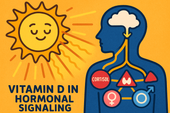
The Role of Vitamin D in Hormonal Signaling
Testosterone is more than a hormone — it’s a signal of strength, motivation, and vitality 💪. Learn how this key molecule shapes energy, mood, muscle growth, and focus in both men and women. Discover how nutrition, vitamin D, and minerals like zinc and magnesium support healthy testosterone signaling for balanced power and performance.
-
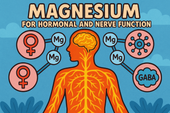
Magnesium for Hormonal and Nerve Function
Magnesium is the mineral that connects calm and vitality ⚡. It fuels nerve transmission, supports hormonal balance, and restores the body’s ability to relax under stress. Learn how magnesium strengthens communication between the nervous and endocrine systems, stabilizing cortisol, thyroid, and reproductive hormones for true equilibrium.
-

Zinc and Its Role in Hormonal Stability
Zinc is one of the body’s most powerful regulators ⚖️—a trace mineral that keeps hormones, metabolism, and energy in perfect rhythm. Learn how zinc supports testosterone, thyroid function, cortisol balance, and emotional stability while protecting against modern stress and deficiency. Discover why restoring zinc can help your body feel grounded, focused, and hormonally resilient.
-
GABA and L-Theanine for Instant Nervous System Relief
When stress hits, your nervous system needs relief — not more stimulation 🌿. Discover how GABA and L-theanine work together to calm the body, quiet racing thoughts, and restore inner balance. Learn the science behind these natural compounds that ease tension, support emotional stability, and bring instant peace without sedation.
-
B-Vitamins for Faster Nerve Communication
Vitamin B1, or thiamine, is your brain’s ignition key 🔑—turning food into cellular energy and powering rapid nerve signaling. Discover how this essential nutrient fuels neurotransmitter activity, supports focus and coordination, and prevents fatigue or mental fog. Learn why maintaining optimal thiamine levels keeps your nerves firing fast and your mind sharp.
-

Supplements That Help You Stay Alert Without Anxiety
L-theanine is nature’s secret for calm focus and balanced energy 🌿. Found in green tea, this gentle amino acid promotes relaxation, supports alpha brain waves, and helps you stay alert without stress or grogginess. Discover how L-theanine can enhance focus, improve sleep quality, and restore mental calm in a fast-paced world.
-
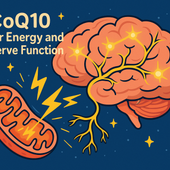
CoQ10 for Energy and Nerve Function
CoQ10 powers every cell in your body—from your heart to your brain ⚡. Learn how this essential compound fuels mitochondria, boosts nerve function, and protects your brain from oxidative stress. Discover how supplementing with CoQ10 can restore energy, sharpen focus, and support long-term neurological vitality.
-
Supplements That Support Nerve Signaling for Mental Energy
Your brain’s electrical network depends on magnesium—one of the most vital minerals for nerve signaling, calm focus, and steady mental energy ⚡. Learn how this essential nutrient powers neurotransmission, supports relaxation, and helps protect your nervous system from stress overload—so your mind feels balanced, alert, and resilient every day.
-
L-Theanine for Sleep Without Grogginess
L-theanine offers a natural path to better sleep—without the next-day fog. 🌙 Found in green tea, this gentle amino acid calms the mind, lowers stress hormones, and promotes deep relaxation without sedation. Learn how L-theanine balances your brainwaves, reduces nighttime anxiety, and helps you wake up refreshed, alert, and clear-minded.
-

Supplements to Support the Circadian Rhythm
Your body’s natural clock depends on more than just sunlight—it also relies on key nutrients to stay in sync. 🌞🌙 Discover the best supplements to support your circadian rhythm, from melatonin and magnesium for deep sleep to vitamin D and adaptogens for morning energy. Learn how to realign your internal clock for better rest, sharper focus, and stable mood every day.
-

Melatonin and Cortisol: The Night vs. Day Hormones
Melatonin and cortisol are your body’s night-and-day hormones—one helping you drift into deep sleep, the other powering your alertness each morning. 🌙☀️ Learn how these two forces work together to regulate your energy, mood, and recovery. Discover how modern stress, artificial light, and poor routines can throw them off balance—and how to naturally reset your rhythm for calm nights and focused days.
-

Supplements for Deeper Sleep and Nervous System Reset
Struggling to sleep even when you’re exhausted? 🌙 Discover how to reset your nervous system and achieve deeper, more restorative rest with the right blend of supplements, breathwork, and therapy. From magnesium and L-theanine to slow exhalations and somatic healing, this guide helps you rebuild your body’s natural rhythm of calm and recovery—so you can wake up truly renewed.
-

Rhodiola Rosea for Emotional Stability: Finding Balance Through Resilience
Stress is the body’s natural alarm system — useful in bursts, but draining when it never turns off. Learning to regulate it helps restore calm focus, emotional balance, and physical vitality. 🌿💫
-
Valerian Root for Reducing Overreaction: Calming the Mind’s Alarm System
GABA is the brain’s natural brake pedal — calming overstimulation and helping you think clearly under stress. When balanced, it brings a sense of inner peace, emotional control, and focus. 🌿🧠💫
-

Supporting Adrenal Health for a Steadier Mood
Cortisol is the body’s built-in stress alarm — essential in short bursts but harmful when constantly elevated. Learning to balance it naturally restores calm, focus, and emotional stability. 🌿⚖️
-

Cold Showers and Adaptogens for a Reset: Reclaiming Energy, Calm, and Control
Adaptogens help the body adapt to stress, restoring calm energy and balance. These ancient herbs strengthen resilience, regulate mood, and support focus — helping you stay grounded through life’s ups and downs. 🌿💫
-
L-Theanine + Caffeine: The Perfect Combo for Overcoming Mental Blocks
Neurotransmitters are the brain’s messengers — tiny molecules that shape how we think, feel, and focus. When they’re in balance, we experience calm energy, clear thinking, and emotional harmony. 🌿🧠✨
-
How Magnesium Supports Focus and Reduces Procrastination Fatigue
Magnesium is the quiet mineral behind mental clarity and steady focus. By calming the nervous system and restoring cellular energy, it helps transform fatigue and overthinking into calm, productive flow. 🌿⚡🧠
-

B Vitamins for Beating Procrastination and Boosting Energy
Procrastination isn’t just a mindset — it’s often a signal of low energy and nutrient depletion. B vitamins recharge the brain’s motivation circuits, boosting focus, clarity, and the drive to take action. 🌿⚡🧠
-
Zinc and Self-Confidence: Can It Reduce Feelings of Powerlessness?
Zinc isn’t just a mineral — it’s the foundation of emotional strength. By balancing neurotransmitters and calming the nervous system, it helps you feel more centered, assertive, and confident from the inside out. 🌿💪
-

How Vitamin D Deficiency Impacts Emotional Resilience in Co-Dependent Patterns
Co-dependency is the emotional tug-of-war between connection and self-loss — a pattern born from giving too much and receiving too little. Learning to untangle this dynamic allows for real love rooted in balance, not fear. 🌿💛
-
B Vitamins for Mood Stability and Self-Worth in Co-Dependency
Vitamin B1, or thiamine, powers both the body and the brain — fueling focus, energy, and emotional clarity. Supporting your nervous system with this essential nutrient helps restore calm and mental resilience. 🌿⚡🧠
-
Chamomile and Valerian Root: Gentle Natural Options for Anxiety in Parkinson’s
Anxiety often feels like a storm inside the mind — racing thoughts, tightness, and unease that make it hard to focus or rest. But learning to understand and calm that inner storm opens the door to peace and emotional balance. 🌿🧠
-
Melatonin and Parkinson’s: Natural Sleep Support Without Dependence
Melatonin is the body’s natural sleep hormone — guiding your mind into rest and your body into recovery. Supporting its natural rhythm can improve sleep quality, mood, and overall health without dependence. 🌙🧠
-
Choline and Brain Health in ADHD: What You Should Know
Inflammation can quietly affect both the body and mind, disrupting focus, mood, and energy. Understanding how it works — and how to calm it — is key to restoring balance, clarity, and long-term health. 🌿🧠
-
Creating a Calming Nighttime Routine with Supplements for OCD
Sleep is the brain’s nightly repair ritual — a time when emotional chaos settles and clarity returns. Prioritizing deep rest restores focus, calm, and resilience, helping both the body and mind recover naturally. 🌙🧠
-
How to Safely Combine OCD Medications with Natural Supplements
Supplements bridge the gap between nutrition and mental wellness — supporting focus, calm, and energy from within. The right combination of nutrients can help balance mood, sharpen the mind, and restore long-term resilience. 🌿🧠
-
Building a Supplement Routine for OCD Symptom Relief
OCD can feel like being trapped in your own thoughts — a battle between control and chaos. Understanding the science behind these cycles is the first step toward breaking free and finding calm within the mind. 🌿🧠
-
Curcumin and Brain Inflammation in OCD: Can It Help?
Inflammation doesn’t just affect the body — it can silently influence the brain, fueling anxiety, fatigue, and mental fog. By understanding how inflammation works, we can learn how to calm the nervous system and restore inner balance. 🌿🧠
-
Probiotics and the Gut-Brain Connection in OCD
Serotonin, often called the “feel-good” chemical, shapes our mood, focus, and emotional balance. By keeping this neurotransmitter in harmony, we support calm thinking, better sleep, and greater mental resilience. 🌿🧠
-

B Vitamins and OCD: Supporting Energy and Neurotransmitter Balance
OCD isn’t just about habits — it’s about the brain’s struggle to find control in chaos. Understanding the neurological roots behind intrusive thoughts can help replace fear with clarity and guide healing toward calm awareness. 🌿🧠
-
Zinc and OCD: The Mineral’s Role in Mental Health
Zinc is more than a trace mineral — it’s a key regulator of mood, memory, and emotional balance. By stabilizing neurotransmitters like serotonin and glutamate, zinc helps calm obsessive thought patterns and supports overall mental clarity. 🌿🧠
-
N-Acetylcysteine (NAC) and OCD: Promising Research Findings
Antioxidants act as the body’s natural defense system, neutralizing free radicals that damage brain cells and worsen anxiety or fatigue. Supporting antioxidant balance with nutrition and supplements helps protect focus, memory, and emotional stability. 🌿🧠
-
Memory Stacks: Combining Supplements for Best Results
Memory weaves the story of who we are — connecting past, present, and future through every experience we store and recall. Strengthening memory means nurturing the brain’s energy, balance, and emotional calm so learning becomes effortless. 🌿🧠
-
How Sleep Supplements Improve Memory Consolidation
Stress can cloud thinking, disrupt sleep, and weaken memory — but understanding its effects on the brain is the first step toward calm. By learning to regulate the nervous system, we can protect focus, energy, and emotional balance. 🌿🧠
-
L-Theanine and Focused Memory Processing
Science is the art of curiosity and precision — a quest to understand the unseen patterns that shape life. From molecules to galaxies, every discovery begins with observation, imagination, and the courage to ask “why.” 🔬💡
-
Rhodiola Rosea and Memory Under Stress
Stress clouds memory, slows thinking, and drains energy — but the good news is, the brain can recover. By understanding how stress affects focus and emotion, we can learn to regulate it, restore clarity, and protect long-term cognitive health. 🌿🧠
-

Ashwagandha for Stress-Related Memory Issues
Adaptogens are nature’s answer to modern stress. These powerful herbs — like Ashwagandha, Rhodiola, and Holy Basil — help balance cortisol, support calm focus, and strengthen the body’s resilience, bringing the mind back to harmony. 🌿🧘♀️


