
The Link Between Early Alzheimer’s and Anxiety or Depression
Introduction
When most people think of Alzheimer’s disease, memory loss is the first symptom that comes to mind. But for many, the earliest signs aren’t cognitive at all — they’re emotional. Long before memory lapses or confusion appear, subtle shifts in mood, anxiety, and motivation can signal that something deeper is happening in the brain.
Anxiety and depression are not just emotional responses to fear or stress — they can be early indicators of neurological change. In the case of Alzheimer’s, they often appear years or even decades before clear cognitive decline.
Understanding how mood and brain health intertwine opens the door to earlier detection, more compassionate care, and holistic prevention strategies that nurture both the mind and spirit. 🌸
Looking for supplements for This? Click here.
🧠 When Mood Changes Are More Than Emotional
It’s natural to feel anxious or down from time to time. But persistent or unexplained changes in mood, motivation, or emotional control — especially in midlife or later years — can sometimes reflect underlying brain changes rather than purely psychological distress.
Researchers now recognize that depression and anxiety are not only risk factors for Alzheimer’s, but also potential early symptoms of it.
In longitudinal studies, individuals who develop Alzheimer’s often show measurable emotional changes years before memory loss becomes apparent. These include:
Chronic anxiety or restlessness
Loss of interest or pleasure in activities
Difficulty concentrating
Sudden irritability or tearfulness
Withdrawal from social interactions
Such symptoms may not always be recognized as neurological, yet they often coincide with the earliest phases of Alzheimer’s pathology — when inflammation, oxidative stress, and subtle neural misfires begin affecting emotion-regulating brain regions.
🌾 The Brain Regions That Connect Emotion and Memory
To understand the link between mood and Alzheimer’s, we need to look at where the disease begins.
The earliest damage in Alzheimer’s typically occurs in the hippocampus and amygdala — two regions deeply involved in both emotion and memory.
The hippocampus processes new memories and helps orient us in time and space. It’s also sensitive to stress hormones like cortisol.
The amygdala detects emotional salience — the sense that something matters — and triggers responses like fear or empathy.
When these structures begin to malfunction, emotional stability becomes harder to maintain. People may feel heightened anxiety, emotional blunting, or mood swings without a clear trigger.
As the disease progresses, disruptions spread to the prefrontal cortex, which governs decision-making and impulse control. The result is a cascade of emotional imbalance, often mistaken for primary psychiatric illness.
This overlap explains why early Alzheimer’s can sometimes masquerade as depression or generalized anxiety disorder.
🌧️ Depression as an Early Sign of Cognitive Decline

Depression is remarkably common among individuals in the preclinical and early stages of Alzheimer’s. But it’s not just a psychological reaction to memory problems — it’s often a biochemical consequence of brain changes that precede them.
Research from the Mayo Clinic and other major centers has shown that late-life depression doubles the risk of developing Alzheimer’s disease. In some cases, the depression appears years before cognitive decline, suggesting it may reflect early neurodegenerative activity.
Several mechanisms explain this connection:
Inflammation: Chronic depression increases inflammatory cytokines, which damage neurons and accelerate amyloid-beta accumulation.
Neurotransmitter Imbalance: Low serotonin, dopamine, and norepinephrine levels — common in depression — impair neuroplasticity and memory formation.
Reduced BDNF (Brain-Derived Neurotrophic Factor): Depression lowers BDNF, a protein essential for neuron repair and growth. Low BDNF levels are also found in Alzheimer’s brains.
Cortisol Overload: Long-term stress and depression raise cortisol, shrinking the hippocampus — one of the first brain areas affected in Alzheimer’s.
The convergence of these factors means that depression isn’t merely a symptom of emotional pain — it can also be an early biochemical echo of cognitive decline. 🌫️
😟 Anxiety: The Nervous System’s Early Alarm
Anxiety is another common and underrecognized early feature of Alzheimer’s. It often shows up as restlessness, hypervigilance, or a vague sense of dread that something is wrong — even before memory changes are noticeable.
Functional MRI scans reveal that people with early Alzheimer’s pathology often have overactive amygdalas. This hyperactivation can cause exaggerated worry responses, intrusive thoughts, and physical symptoms like heart palpitations or insomnia.
At the same time, degeneration in the hippocampus and locus coeruleus (a brainstem structure that releases norepinephrine) makes it harder to regulate stress hormones. The body becomes stuck in a low-grade “fight-or-flight” mode.
This chronic state of internal alertness drains mental energy and further damages neurons through oxidative stress. It’s a self-reinforcing loop: anxiety fuels inflammation, which worsens neural dysfunction, which in turn heightens anxiety.
Many patients describe it as “feeling off” or “uneasy without reason.” In hindsight, those subtle emotional changes often mark the beginning of the disease’s neurological footprint.
🌼 The Overlap Between Alzheimer’s and Mood Disorders
Distinguishing between primary depression/anxiety and early Alzheimer’s can be challenging. The symptoms often overlap: low motivation, poor concentration, slowed thinking, irritability, and fatigue are common to both.
However, there are clues that suggest a neurological rather than purely psychological origin:
Symptoms appear later in life (after age 50–60) with no prior history of mood disorders.
Mood changes accompany subtle cognitive shifts, such as trouble managing finances or remembering appointments.
Emotional regulation feels different — for example, sadness without identifiable cause or unusual apathy rather than reactive grief.
Neuroimaging and biomarker testing can sometimes reveal early Alzheimer’s pathology in such cases. But even without formal testing, understanding the emotional dimension of Alzheimer’s helps families and clinicians recognize that these mood changes are biological, not moral or motivational failings.
🧬 Shared Biochemistry: The Inflammation Pathway
One of the strongest links between Alzheimer’s and mood disorders lies in inflammation — a silent process that damages neurons and alters neurotransmitter balance.
Both depression and Alzheimer’s are now understood as neuroinflammatory conditions. Elevated levels of inflammatory cytokines such as IL-6, TNF-alpha, and CRP disrupt brain communication and impair serotonin and dopamine synthesis.
This inflammation also promotes amyloid-beta buildup and tau phosphorylation — the very processes that define Alzheimer’s pathology.
Meanwhile, oxidative stress (an excess of free radicals) further harms neuronal mitochondria, reducing energy production and resilience. The result is a vicious circle: inflammation fuels neurodegeneration, which deepens mood symptoms, which in turn fuels more inflammation.
Anti-inflammatory nutrition, sleep, and stress management therefore become essential not only for mood stabilization but also for long-term brain protection. 🌿
🌿 How Nutrition Supports Emotional and Cognitive Health
The brain doesn’t distinguish between “mental” and “physical” nourishment — the nutrients we consume feed every emotional and cognitive process. A diet rich in antioxidants, omega-3 fats, and B vitamins provides the biochemical foundation for resilience against both anxiety and neurodegeneration.
Here’s how nutrition directly supports emotional and brain health in early Alzheimer’s:
Omega-3 Fatty Acids for Mood and Memory
Omega-3s — particularly EPA and DHA from fish oil — enhance serotonin signaling, reduce inflammation, and improve neuronal flexibility. Studies link higher omega-3 intake to lower depression rates and slower cognitive decline.
B Vitamins for Emotional Stability
Vitamins B6, B12, and folate are essential for neurotransmitter synthesis and homocysteine regulation. Elevated homocysteine damages both brain tissue and mood balance. Deficiency in these vitamins can mimic Alzheimer’s symptoms, causing confusion, fatigue, and irritability.
Magnesium and Zinc for Calmness
Magnesium supports GABA activity — the same calming neurotransmitter system often deficient in both anxiety and Alzheimer’s. Zinc, meanwhile, stabilizes mood and reduces inflammation. Both are frequently depleted by chronic stress.
Antioxidants for Brain Protection
Polyphenols in berries, green tea, and turmeric neutralize oxidative stress and reduce inflammation. Curcumin, the bright compound in turmeric, has shown antidepressant effects comparable to some medications — while also reducing amyloid buildup.
Probiotics for the Gut–Brain Axis
The gut microbiome produces neurotransmitters like serotonin and GABA. A diverse microbiome lowers inflammation and improves emotional regulation. Yogurt, kefir, and fermented vegetables can all support this balance.
A nutrient-dense, plant-forward, Mediterranean-style diet rich in colorful produce, fish, olive oil, and legumes provides the best evidence for both cognitive protection and mood balance. 🫒🍇
Looking for supplements for This? Click here.
🌙 The Role of Sleep and Stress
Sleep disturbances and chronic stress are common in both depression and early Alzheimer’s — and both accelerate neurodegeneration.
During deep sleep, the brain’s glymphatic system clears amyloid and other toxic byproducts. Poor sleep prevents this nightly detox, leading to faster accumulation of harmful proteins.
Chronic stress, on the other hand, floods the brain with cortisol. Over time, excess cortisol shrinks the hippocampus and disrupts dopamine balance, worsening both mood and memory.
Natural ways to support both include:
Establishing a consistent bedtime routine
Practicing slow, deep breathing or meditation before sleep
Using calming nutrients like magnesium glycinate or L-theanine
Avoiding heavy meals or screens late at night
Protecting the nervous system’s rest cycles is one of the simplest yet most powerful defenses against both mood imbalance and Alzheimer’s progression. 🌙
🌻 The Importance of Emotional Support
Emotional and social engagement are not luxuries — they are neuroprotective. Meaningful human connection stimulates dopamine, oxytocin, and endorphins, which all counteract the stress chemistry that drives both anxiety and neurodegeneration.
Isolation, on the other hand, accelerates both mood decline and cognitive decline. People who maintain rich social lives show lower rates of Alzheimer’s, even when other risk factors are present.
Therapy, support groups, mindfulness training, or simply regular conversations with loved ones can make an enormous difference. For someone showing early emotional signs, being understood — rather than dismissed — is itself healing.
Depression and anxiety should never be seen as moral weaknesses or emotional failures. They are biological signals that the brain and body need support.
💚 Integrating Lifestyle and Nutritional Care
A truly holistic approach to early Alzheimer’s-related anxiety or depression involves nurturing all layers of health:
Biochemical: Nutrients that reduce inflammation and balance neurotransmitters.
Emotional: Compassionate understanding and social connection.
Physical: Movement, sleep, and relaxation to enhance circulation and detoxification.
Cognitive: Mental stimulation through reading, puzzles, learning, and curiosity.
Regular exercise, even gentle walking or yoga, boosts BDNF and serotonin, reduces cortisol, and enhances mood. Combined with nutrition, it forms a powerful synergy that keeps neurons active and adaptable.
This integrative strategy doesn’t replace medical treatment — it empowers it. When body, brain, and emotions are aligned, every therapy works better. 🌱
🌺 When to Seek Evaluation
If persistent anxiety, apathy, or depression appear in middle or late adulthood — especially when accompanied by forgetfulness, word-finding difficulty, or personality change — it’s important to seek evaluation.
Cognitive testing, brain imaging, and blood work can help distinguish between early Alzheimer’s and mood-related disorders. Ruling out reversible causes like thyroid imbalance or vitamin deficiency is equally important.
Early identification opens the door to interventions that may slow progression — from lifestyle and nutritional therapies to medications and cognitive training.
Recognizing mood changes as part of Alzheimer’s spectrum can also ease shame and fear. It reframes these symptoms not as personal failures, but as signals from the brain asking for care.
Looking for online therapy ? Click Here.
🌞 Hope Through Understanding
The connection between mood and memory reveals a profound truth: the emotional brain and the cognitive brain are one and the same. Depression and anxiety are not separate from Alzheimer’s — they are often its earliest whispers.
But this also means that by tending to emotional health — through nutrition, movement, sleep, and connection — we are actively protecting our brain.
When depression lifts, the brain heals. When anxiety calms, inflammation subsides. Every act of nourishment, rest, or compassion toward ourselves is an act of prevention.
Alzheimer’s may begin quietly, but its early signals give us time — time to respond with care, to nurture resilience, and to live each day with awareness and hope. 🌿✨
📚 References
Ownby, R. L., et al. (2006). Depression and risk for Alzheimer’s disease: Systematic review, meta-analysis, and modeling study. Archives of General Psychiatry, 63(5), 530–538.
Li, H., et al. (2020). Anxiety symptoms in mild cognitive impairment and their association with Alzheimer’s biomarkers. Translational Psychiatry, 10(1), 301.
Geda, Y. E., et al. (2014). Depression, anxiety, and cognitive decline in aging: The role of neuroinflammation. Journal of Alzheimer’s Disease, 41(3), 861–873.
Canet, G., et al. (2019). The role of neuroinflammation in the link between depression and Alzheimer’s disease. Frontiers in Cellular Neuroscience, 13, 1–18.
Pietrzak, R. H., et al. (2015). Amyloid-β, anxiety, and cognitive decline: Findings from the Harvard Aging Brain Study. Biological Psychiatry, 78(12), 860–869.
Diniz, B. S., et al. (2013). Late-life depression and risk of vascular dementia and Alzheimer’s disease: Systematic review and meta-analysis. The British Journal of Psychiatry, 202(5), 329–335.
Kessing, L. V., et al. (2017). Depression and dementia: A longitudinal population-based study. Journal of Neurology, Neurosurgery & Psychiatry, 88(4), 335–341.
Alexopoulos, G. S. (2019). Mechanisms and treatment of late-life depression. Translational Psychiatry, 9(1), 188.
Sindi, S., et al. (2018). The role of nutrition and lifestyle in the prevention of Alzheimer’s disease and mood disorders. Current Opinion in Psychiatry, 31(5), 410–416.
Burke, S. L., et al. (2021). Emotional changes as early markers of Alzheimer’s: A review of clinical and biological evidence. Frontiers in Aging Neuroscience, 13, 654.
Related Posts
-

Supplements for Staying Present and Grounded
L-Theanine is nature’s calm focus enhancer 🍃. Derived from green tea, it promotes relaxation without drowsiness by balancing GABA, serotonin, and dopamine. Learn how this amino acid supports smooth focus, emotional balance, and mindful presence in daily life.
-
Supplements That Support Emotional Openness
Emotional openness starts in the body 🌿. When your nervous system feels safe, your heart can express freely. Learn how supplements like magnesium, Ashwagandha, and L-theanine support calm connection, balanced emotions, and the courage to stay authentically open.
-
Daily Supplement Routine for Consistent Confidence
Confidence is built through rhythm, not luck 🌿. A daily supplement routine can help your energy, mood, and focus stay balanced from morning to night. Learn how adaptogens, magnesium, and B vitamins work together to create steady calm and lasting self-assurance.
-
Supplement Timing Tips for Social Success
Social confidence has its own rhythm 🌿. When you time your supplements to match your body’s natural energy cycles, calm and focus align effortlessly. Learn how magnesium, L-theanine, and adaptogens can help you stay grounded, charismatic, and fully present at just the right moment.
-
Supplements for Confident Public Speaking
Public speaking confidence begins with biology 🎤🌿. When your nervous system is calm and your neurotransmitters are balanced, your voice, focus, and presence flow naturally. Learn how supplements like magnesium, GABA, and adaptogens can align your body’s chemistry with the calm clarity you need to speak authentically.
-

Travel-Friendly Supplements for On-the-Go Confidence
Magnesium is the ultimate travel mineral for calm and balance ✈️🌿. It relaxes the nervous system, eases stress from jet lag or fatigue, and supports muscle and mental recovery. Discover how this essential nutrient keeps you centered, focused, and energized wherever your journey takes you.
-

Supplements for Confident Video Calls
Magnesium is the mineral that brings calm to both body and mind 🌿. It supports relaxation, better sleep, and a stable mood by regulating cortisol and soothing the nervous system. Learn how magnesium supplements can restore balance, reduce anxiety, and help you feel centered under stress.
-

Ashwagandha for Calming the Stress Response
Ashwagandha helps your body remember how to relax 🌿. As one of the most trusted adaptogens, it calms the stress response by lowering cortisol, soothing the nervous system, and restoring natural energy balance. Learn how this ancient herb promotes deeper sleep, emotional steadiness, and resilience in today’s high-stress world.
-

How GABA Supplements Can Help You Feel Grounded
GABA is the brain’s natural calm signal 🌿. When life feels overwhelming, this neurotransmitter helps quiet mental noise, relax muscles, and restore emotional balance. Learn how GABA supplements can calm the nervous system, reduce anxiety, and help you feel grounded in your body again.
-
Rhodiola Rosea for Energy Without Overstimulation
Rhodiola rosea offers a rare kind of energy — one rooted in calm, not chaos 🌿. Known as the golden root, this adaptogen enhances endurance, focus, and mood by balancing cortisol and supporting the nervous system. Discover how Rhodiola restores natural vitality without the overstimulation of caffeine or stress-driven fatigue.
-
Holy Basil and Cortisol Control
Holy basil, or Tulsi, is one of nature’s most powerful adaptogens 🌿. Revered in Ayurvedic medicine for centuries, it helps balance cortisol, calm the mind, and protect the body from stress. Learn how holy basil restores hormonal harmony, supports energy, and promotes emotional resilience in a fast-paced world.
-
Supplements to Ease PMS-Related Anxiety
Hormones are the body’s messengers — guiding mood, energy, metabolism, and balance. 🌿 When these chemical signals flow in harmony, life feels stable and calm. Learn how nutrients, sleep, and stress management help keep hormonal communication clear, supporting emotional steadiness and overall vitality.
-
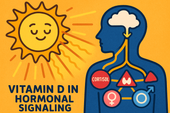
The Role of Vitamin D in Hormonal Signaling
Testosterone is more than a hormone — it’s a signal of strength, motivation, and vitality 💪. Learn how this key molecule shapes energy, mood, muscle growth, and focus in both men and women. Discover how nutrition, vitamin D, and minerals like zinc and magnesium support healthy testosterone signaling for balanced power and performance.
-
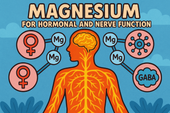
Magnesium for Hormonal and Nerve Function
Magnesium is the mineral that connects calm and vitality ⚡. It fuels nerve transmission, supports hormonal balance, and restores the body’s ability to relax under stress. Learn how magnesium strengthens communication between the nervous and endocrine systems, stabilizing cortisol, thyroid, and reproductive hormones for true equilibrium.
-

Zinc and Its Role in Hormonal Stability
Zinc is one of the body’s most powerful regulators ⚖️—a trace mineral that keeps hormones, metabolism, and energy in perfect rhythm. Learn how zinc supports testosterone, thyroid function, cortisol balance, and emotional stability while protecting against modern stress and deficiency. Discover why restoring zinc can help your body feel grounded, focused, and hormonally resilient.
-
GABA and L-Theanine for Instant Nervous System Relief
When stress hits, your nervous system needs relief — not more stimulation 🌿. Discover how GABA and L-theanine work together to calm the body, quiet racing thoughts, and restore inner balance. Learn the science behind these natural compounds that ease tension, support emotional stability, and bring instant peace without sedation.
-
B-Vitamins for Faster Nerve Communication
Vitamin B1, or thiamine, is your brain’s ignition key 🔑—turning food into cellular energy and powering rapid nerve signaling. Discover how this essential nutrient fuels neurotransmitter activity, supports focus and coordination, and prevents fatigue or mental fog. Learn why maintaining optimal thiamine levels keeps your nerves firing fast and your mind sharp.
-

Supplements That Help You Stay Alert Without Anxiety
L-theanine is nature’s secret for calm focus and balanced energy 🌿. Found in green tea, this gentle amino acid promotes relaxation, supports alpha brain waves, and helps you stay alert without stress or grogginess. Discover how L-theanine can enhance focus, improve sleep quality, and restore mental calm in a fast-paced world.
-
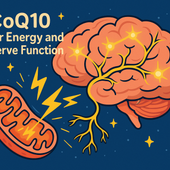
CoQ10 for Energy and Nerve Function
CoQ10 powers every cell in your body—from your heart to your brain ⚡. Learn how this essential compound fuels mitochondria, boosts nerve function, and protects your brain from oxidative stress. Discover how supplementing with CoQ10 can restore energy, sharpen focus, and support long-term neurological vitality.
-
Supplements That Support Nerve Signaling for Mental Energy
Your brain’s electrical network depends on magnesium—one of the most vital minerals for nerve signaling, calm focus, and steady mental energy ⚡. Learn how this essential nutrient powers neurotransmission, supports relaxation, and helps protect your nervous system from stress overload—so your mind feels balanced, alert, and resilient every day.
-
L-Theanine for Sleep Without Grogginess
L-theanine offers a natural path to better sleep—without the next-day fog. 🌙 Found in green tea, this gentle amino acid calms the mind, lowers stress hormones, and promotes deep relaxation without sedation. Learn how L-theanine balances your brainwaves, reduces nighttime anxiety, and helps you wake up refreshed, alert, and clear-minded.
-
Supplements to Support the Circadian Rhythm
Your body’s natural clock depends on more than just sunlight—it also relies on key nutrients to stay in sync. 🌞🌙 Discover the best supplements to support your circadian rhythm, from melatonin and magnesium for deep sleep to vitamin D and adaptogens for morning energy. Learn how to realign your internal clock for better rest, sharper focus, and stable mood every day.
-
Melatonin and Cortisol: The Night vs. Day Hormones
Melatonin and cortisol are your body’s night-and-day hormones—one helping you drift into deep sleep, the other powering your alertness each morning. 🌙☀️ Learn how these two forces work together to regulate your energy, mood, and recovery. Discover how modern stress, artificial light, and poor routines can throw them off balance—and how to naturally reset your rhythm for calm nights and focused days.
-
Supplements for Deeper Sleep and Nervous System Reset
Struggling to sleep even when you’re exhausted? 🌙 Discover how to reset your nervous system and achieve deeper, more restorative rest with the right blend of supplements, breathwork, and therapy. From magnesium and L-theanine to slow exhalations and somatic healing, this guide helps you rebuild your body’s natural rhythm of calm and recovery—so you can wake up truly renewed.
-
Rhodiola Rosea for Emotional Stability: Finding Balance Through Resilience
Stress is the body’s natural alarm system — useful in bursts, but draining when it never turns off. Learning to regulate it helps restore calm focus, emotional balance, and physical vitality. 🌿💫
-
Valerian Root for Reducing Overreaction: Calming the Mind’s Alarm System
GABA is the brain’s natural brake pedal — calming overstimulation and helping you think clearly under stress. When balanced, it brings a sense of inner peace, emotional control, and focus. 🌿🧠💫
-

Supporting Adrenal Health for a Steadier Mood
Cortisol is the body’s built-in stress alarm — essential in short bursts but harmful when constantly elevated. Learning to balance it naturally restores calm, focus, and emotional stability. 🌿⚖️
-

Cold Showers and Adaptogens for a Reset: Reclaiming Energy, Calm, and Control
Adaptogens help the body adapt to stress, restoring calm energy and balance. These ancient herbs strengthen resilience, regulate mood, and support focus — helping you stay grounded through life’s ups and downs. 🌿💫
-
L-Theanine + Caffeine: The Perfect Combo for Overcoming Mental Blocks
Neurotransmitters are the brain’s messengers — tiny molecules that shape how we think, feel, and focus. When they’re in balance, we experience calm energy, clear thinking, and emotional harmony. 🌿🧠✨
-
How Magnesium Supports Focus and Reduces Procrastination Fatigue
Magnesium is the quiet mineral behind mental clarity and steady focus. By calming the nervous system and restoring cellular energy, it helps transform fatigue and overthinking into calm, productive flow. 🌿⚡🧠
-

B Vitamins for Beating Procrastination and Boosting Energy
Procrastination isn’t just a mindset — it’s often a signal of low energy and nutrient depletion. B vitamins recharge the brain’s motivation circuits, boosting focus, clarity, and the drive to take action. 🌿⚡🧠
-
Zinc and Self-Confidence: Can It Reduce Feelings of Powerlessness?
Zinc isn’t just a mineral — it’s the foundation of emotional strength. By balancing neurotransmitters and calming the nervous system, it helps you feel more centered, assertive, and confident from the inside out. 🌿💪
-
How Vitamin D Deficiency Impacts Emotional Resilience in Co-Dependent Patterns
Co-dependency is the emotional tug-of-war between connection and self-loss — a pattern born from giving too much and receiving too little. Learning to untangle this dynamic allows for real love rooted in balance, not fear. 🌿💛
-
B Vitamins for Mood Stability and Self-Worth in Co-Dependency
Vitamin B1, or thiamine, powers both the body and the brain — fueling focus, energy, and emotional clarity. Supporting your nervous system with this essential nutrient helps restore calm and mental resilience. 🌿⚡🧠
-
Chamomile and Valerian Root: Gentle Natural Options for Anxiety in Parkinson’s
Anxiety often feels like a storm inside the mind — racing thoughts, tightness, and unease that make it hard to focus or rest. But learning to understand and calm that inner storm opens the door to peace and emotional balance. 🌿🧠
-
Melatonin and Parkinson’s: Natural Sleep Support Without Dependence
Melatonin is the body’s natural sleep hormone — guiding your mind into rest and your body into recovery. Supporting its natural rhythm can improve sleep quality, mood, and overall health without dependence. 🌙🧠
-
Choline and Brain Health in ADHD: What You Should Know
Inflammation can quietly affect both the body and mind, disrupting focus, mood, and energy. Understanding how it works — and how to calm it — is key to restoring balance, clarity, and long-term health. 🌿🧠
-
Creating a Calming Nighttime Routine with Supplements for OCD
Sleep is the brain’s nightly repair ritual — a time when emotional chaos settles and clarity returns. Prioritizing deep rest restores focus, calm, and resilience, helping both the body and mind recover naturally. 🌙🧠
-
How to Safely Combine OCD Medications with Natural Supplements
Supplements bridge the gap between nutrition and mental wellness — supporting focus, calm, and energy from within. The right combination of nutrients can help balance mood, sharpen the mind, and restore long-term resilience. 🌿🧠
-
Building a Supplement Routine for OCD Symptom Relief
OCD can feel like being trapped in your own thoughts — a battle between control and chaos. Understanding the science behind these cycles is the first step toward breaking free and finding calm within the mind. 🌿🧠
-
Curcumin and Brain Inflammation in OCD: Can It Help?
Inflammation doesn’t just affect the body — it can silently influence the brain, fueling anxiety, fatigue, and mental fog. By understanding how inflammation works, we can learn how to calm the nervous system and restore inner balance. 🌿🧠
-
Probiotics and the Gut-Brain Connection in OCD
Serotonin, often called the “feel-good” chemical, shapes our mood, focus, and emotional balance. By keeping this neurotransmitter in harmony, we support calm thinking, better sleep, and greater mental resilience. 🌿🧠
-

B Vitamins and OCD: Supporting Energy and Neurotransmitter Balance
OCD isn’t just about habits — it’s about the brain’s struggle to find control in chaos. Understanding the neurological roots behind intrusive thoughts can help replace fear with clarity and guide healing toward calm awareness. 🌿🧠
-
Zinc and OCD: The Mineral’s Role in Mental Health
Zinc is more than a trace mineral — it’s a key regulator of mood, memory, and emotional balance. By stabilizing neurotransmitters like serotonin and glutamate, zinc helps calm obsessive thought patterns and supports overall mental clarity. 🌿🧠
-
N-Acetylcysteine (NAC) and OCD: Promising Research Findings
Antioxidants act as the body’s natural defense system, neutralizing free radicals that damage brain cells and worsen anxiety or fatigue. Supporting antioxidant balance with nutrition and supplements helps protect focus, memory, and emotional stability. 🌿🧠
-
Memory Stacks: Combining Supplements for Best Results
Memory weaves the story of who we are — connecting past, present, and future through every experience we store and recall. Strengthening memory means nurturing the brain’s energy, balance, and emotional calm so learning becomes effortless. 🌿🧠
-
How Sleep Supplements Improve Memory Consolidation
Stress can cloud thinking, disrupt sleep, and weaken memory — but understanding its effects on the brain is the first step toward calm. By learning to regulate the nervous system, we can protect focus, energy, and emotional balance. 🌿🧠
-
L-Theanine and Focused Memory Processing
Science is the art of curiosity and precision — a quest to understand the unseen patterns that shape life. From molecules to galaxies, every discovery begins with observation, imagination, and the courage to ask “why.” 🔬💡
-
Rhodiola Rosea and Memory Under Stress
Stress clouds memory, slows thinking, and drains energy — but the good news is, the brain can recover. By understanding how stress affects focus and emotion, we can learn to regulate it, restore clarity, and protect long-term cognitive health. 🌿🧠
-
Ashwagandha for Stress-Related Memory Issues
Adaptogens are nature’s answer to modern stress. These powerful herbs — like Ashwagandha, Rhodiola, and Holy Basil — help balance cortisol, support calm focus, and strengthen the body’s resilience, bringing the mind back to harmony. 🌿🧘♀️


