
Omega-3s and Early Alzheimer’s: Can DHA Protect Brain Cells?
Introduction
Alzheimer’s disease develops silently, long before memory lapses or confusion appear. For years — sometimes decades — subtle molecular changes are already unfolding in the brain: neurons lose flexibility, inflammation rises, and oxidative stress begins to erode communication between nerve cells.
In this early window, nutrition becomes one of the most powerful tools for protection. Among all nutrients studied, omega-3 fatty acids, especially DHA (docosahexaenoic acid), have emerged as some of the most promising allies in preserving brain structure and slowing Alzheimer’s progression.
These healthy fats don’t just support cognition — they form the very foundation of the brain’s architecture. DHA makes up about 30% of the brain’s fatty acids and plays a direct role in neuron membrane fluidity, signaling, and inflammation control. Without enough of it, the brain quite literally loses its resilience.
So, can DHA help protect brain cells in the earliest stages of Alzheimer’s? Let’s explore what science — and decades of research — reveal. 🌿
Looking for supplements for This? Click here.
🧩 What Happens in Early Alzheimer’s
Before the plaques and tangles that define Alzheimer’s appear under a microscope, the disease begins subtly. It starts with metabolic and inflammatory changes inside neurons.
The brain’s energy metabolism slows down, mitochondrial efficiency declines, and oxidative stress increases. In response, neurons become less flexible and more vulnerable to damage. Over time, this leads to the accumulation of amyloid-beta proteins — sticky clumps that interfere with communication — and tau tangles, which disrupt the neuron’s internal structure.
These changes first strike areas such as the hippocampus, which governs memory and learning. That’s why one of the earliest signs of Alzheimer’s is difficulty recalling recent information, even when long-term memory seems intact.
DHA, as it turns out, directly supports the health and plasticity of these same regions — which may explain why low DHA levels are consistently linked with greater Alzheimer’s risk.
🐟 Understanding Omega-3 Fatty Acids

Omega-3s are a family of polyunsaturated fatty acids essential for human health. The three main types are:
ALA (alpha-linolenic acid): found in flaxseed, chia, and walnuts; the plant form of omega-3.
EPA (eicosapentaenoic acid): found in marine sources like salmon and sardines; known for anti-inflammatory effects.
DHA (docosahexaenoic acid): the most critical for brain function; found mainly in fish and algae.
Although the body can convert some ALA into EPA and DHA, the process is inefficient — typically less than 5%. That’s why direct dietary sources or supplementation are vital, especially for cognitive protection.
Among these, DHA stands out because it is the most abundant omega-3 in the brain and retina, and it integrates directly into cell membranes, influencing how neurons communicate and survive.
🌿 DHA: The Brain’s Structural Fat
Imagine neurons as living electrical wires. DHA acts like the soft, flexible insulation that keeps those wires both strong and conductive.
In healthy brains, DHA ensures that cell membranes remain fluid — allowing nutrients, neurotransmitters, and electrical signals to move efficiently. When DHA levels fall, membranes become rigid, slowing communication and reducing plasticity — the brain’s ability to learn, adapt, and form new connections.
This flexibility isn’t just physical. DHA also modulates signaling between neurons, influences neurotransmitter release, and helps maintain the stability of synapses (the junctions where neurons communicate).
In Alzheimer’s, synapses are among the first structures to deteriorate. Supporting DHA levels may therefore help preserve communication networks that underpin memory and thinking.
🧬 DHA and Neuroinflammation
Inflammation in the brain — or neuroinflammation — is now recognized as a core driver of Alzheimer’s pathology. Overactivated immune cells (microglia) release inflammatory molecules that damage neurons and promote amyloid-beta buildup.
DHA counteracts this in several ways:
It is converted into resolvins and protectins, specialized lipid mediators that actively resolve inflammation rather than merely suppressing it.
It decreases the activity of inflammatory enzymes like COX-2 and reduces the production of cytokines such as IL-1β and TNF-α.
It stabilizes neuronal membranes, preventing them from releasing danger signals that trigger immune overreaction.
One DHA-derived molecule, Neuroprotectin D1 (NPD1), has been shown to block key inflammatory pathways involved in neuron death. It also promotes the survival of cells in the hippocampus — precisely the area that deteriorates first in Alzheimer’s.
In this sense, DHA doesn’t just reduce inflammation; it restores the brain’s ability to shut the fire off. 🔥➡️🌊
🧫 DHA and Amyloid-Beta Clearance
Another striking effect of DHA involves the clearance of amyloid-beta, the sticky peptide central to Alzheimer’s plaques.
Studies in animals and humans have shown that DHA enhances the brain’s ability to remove amyloid-beta through two main mechanisms:
It increases the activity of enzymes that break down amyloid-beta.
It improves the function of microglia, enabling them to “eat” and clear the plaques more effectively.
Additionally, DHA helps regulate the processing of the amyloid precursor protein (APP). When this protein is cut by a non-toxic enzyme (alpha-secretase), it produces harmless fragments. But under oxidative stress, it’s cut by beta-secretase, producing toxic amyloid-beta instead. DHA favors the non-toxic pathway.
This means maintaining adequate DHA levels may help prevent the disease from even entering its plaque-forming phase.
🧠 DHA and Synaptic Plasticity
Synapses are where memories are formed, learning occurs, and emotions are processed. In early Alzheimer’s, synaptic density drops dramatically, leading to cognitive decline long before neurons die.
DHA boosts synaptic function by:
Increasing BDNF (Brain-Derived Neurotrophic Factor), a growth molecule that supports neuron survival and connectivity.
Enhancing the expression of genes related to learning and memory.
Supporting neurotransmitters like acetylcholine and serotonin, which decline in Alzheimer’s.
Animal studies show that DHA supplementation improves memory performance and learning ability, even when amyloid plaques are present. It seems DHA helps the brain “work around” early damage by reinforcing remaining connections — much like strengthening the bridges that are still intact. 🌉
💫 DHA, Oxidative Stress, and Mitochondria
The brain’s mitochondria — tiny powerhouses within cells — are especially sensitive to oxidative stress. When damaged, they produce more free radicals, which harm neurons and accelerate aging.
DHA protects mitochondria by:
Stabilizing their membranes.
Reducing lipid peroxidation.
Enhancing the activity of antioxidant enzymes such as catalase and glutathione peroxidase.
In essence, DHA helps maintain the cell’s “energy factories,” allowing neurons to keep functioning even under stress.
This antioxidant synergy explains why combining DHA with other nutrients like vitamin E, coenzyme Q10, and polyphenols can amplify protection — they complement each other’s roles in maintaining cellular resilience.
🧬 Human Evidence: What Studies Show
🔹 Epidemiological Evidence
Large population studies consistently show that people who consume more omega-3-rich foods — particularly fatty fish — have lower risk of developing Alzheimer’s or age-related cognitive decline.
In the Framingham Heart Study, participants with the highest blood DHA levels had a 47% lower risk of developing dementia over nine years.
The Chicago Health and Aging Project found that eating fish at least once per week correlated with a 60% reduction in Alzheimer’s risk.
A 2020 meta-analysis in Frontiers in Aging Neuroscience confirmed that omega-3 supplementation improves cognitive performance in people with mild cognitive impairment.
🔹 Clinical Trials
Results from intervention trials vary, but the strongest effects appear in early or pre-clinical stages.
In a 2010 randomized study (Alzheimer’s & Dementia), DHA supplementation (2 g/day) for 18 months slowed cognitive decline in individuals with mild cognitive impairment but not in those with advanced Alzheimer’s.
The OmegAD trial found that DHA + EPA improved memory and attention scores in early-stage Alzheimer’s patients after six months.
These findings suggest that DHA works best preventively or during early stages, when neurons are still functional enough to respond to its protective effects.
🌾 Why DHA Deficiency Is Common
Despite its importance, many adults — especially in Western diets — fall far short of optimal DHA intake.
Several factors contribute:
Low fish consumption and reliance on processed oils high in omega-6 fatty acids.
Poor conversion of ALA to DHA (particularly in vegetarians, older adults, and those with metabolic issues).
Chronic inflammation or insulin resistance, which deplete DHA stores.
The result is a brain more prone to oxidative stress, inflammation, and impaired communication — the perfect conditions for early neurodegeneration.
🌿 How to Support DHA Levels
🐟 Eat Fatty Fish Regularly
Salmon, sardines, anchovies, mackerel, and herring are rich in DHA and EPA. Two to three servings per week provide around 500–1,000 mg DHA daily — the range associated with cognitive benefits.
🌱 Consider Algae-Based DHA Supplements
For vegetarians or those avoiding fish, algae oil provides pure DHA in a sustainable form.
💊 Aim for 1,000–2,000 mg DHA Daily in Early Cognitive Support
Clinical studies often use doses within this range for cognitive benefits. Pair with EPA for anti-inflammatory synergy.
☀️ Pair DHA with Antioxidants
Because DHA is a polyunsaturated fat, it can oxidize easily. Pairing it with vitamin E, vitamin C, or polyphenols (from olive oil, berries, or green tea) enhances stability and protection.
🫒 Adopt a Mediterranean or MIND Diet Pattern
These diets naturally balance omega-3s, polyphenols, and plant antioxidants while minimizing inflammatory omega-6 fats and processed foods.
🧘 Beyond Nutrition: Lifestyle Synergy
DHA doesn’t work in isolation — it thrives in an environment that supports its anti-inflammatory and neuroprotective actions.
Exercise: increases BDNF and promotes DHA incorporation into brain tissue.
Sleep: allows the brain to clear amyloid-beta; DHA supports melatonin production and circadian rhythm regulation.
Stress management: chronic cortisol depletes DHA; mindfulness and breathing exercises help preserve it.
Avoiding trans fats: these fats displace DHA in neuronal membranes, weakening structure and signaling.
Combining DHA-rich nutrition with lifestyle measures enhances its impact and ensures that every cell can use it effectively.
🌺 The Future of DHA Research
Scientists are now exploring targeted DHA formulations and delivery systems that cross the blood-brain barrier more efficiently. Early trials with phospholipid-bound DHA (as in krill oil) or lysophosphatidylcholine DHA show superior brain uptake compared to standard triglyceride forms.
Researchers are also studying DHA metabolites like NPD1 as potential drug candidates, given their potent neuroprotective actions.
Ultimately, the question is no longer if DHA helps, but when and how much is needed to make a meaningful difference — and the evidence points clearly toward early, consistent intake.
💚 A Holistic Perspective
Alzheimer’s is not caused by one single factor, nor can it be prevented by one single nutrient. But DHA stands out as a cornerstone — a molecule that connects many of the key mechanisms involved in brain aging: inflammation, oxidative stress, mitochondrial health, and synaptic repair.
In the simplest terms, DHA helps the brain stay fluid — physically, chemically, and functionally. It keeps neurons flexible enough to adapt, resilient enough to recover, and connected enough to communicate.
Whether through diet, supplementation, or lifestyle synergy, supporting DHA levels is one of the most tangible steps we can take to strengthen the brain’s defenses in the years before Alzheimer’s symptoms appear.
Because prevention isn’t about waiting — it’s about building resilience now, one cell at a time. 🌿🧠
Looking for online therapy ? Click Here.
📚 References
Morris, M. C., et al. (2016). “Consumption of fish and n-3 fatty acids and risk of cognitive decline and Alzheimer’s disease.” Alzheimer’s & Dementia, 12(4), 282–290.
Quinn, J. F., et al. (2010). “Docosahexaenoic acid supplementation and cognitive decline in Alzheimer’s disease.” JAMA, 304(17), 1903–1911.
Freund-Levi, Y., et al. (2006). “Omega-3 fatty acid treatment in 174 patients with mild to moderate Alzheimer’s disease: OmegAD study.” Archives of Neurology, 63(10), 1402–1408.
Rapoport, S. I. (2013). “Brain lipid metabolism in normal and Alzheimer’s disease aging.” Progress in Lipid Research, 52(1), 17–30.*
Dyall, S. C. (2015). “Long-chain omega-3 fatty acids and the brain: A review of the independent and shared effects of EPA, DPA and DHA.” Frontiers in Aging Neuroscience, 7, 52.
Bazan, N. G. (2012). “Neuroprotectin D1 (NPD1): A DHA-derived mediator that protects the brain from neurodegeneration.” Molecular Neurobiology, 45(1), 99–110.
Tan, Z. S., et al. (2012). “Plasma omega-3 fatty acids and brain volume in aging.” Neurology, 79(7), 643–650.
Yurko-Mauro, K., et al. (2020). “Beneficial effects of docosahexaenoic acid on cognition in age-related cognitive decline.” Frontiers in Aging Neuroscience, 12, 43.
Cederholm, T., et al. (2013). “Omega-3 and the prevention of Alzheimer’s disease.” Current Opinion in Clinical Nutrition & Metabolic Care, 16(6), 645–650.*
Liu, J., et al. (2022). “Mechanisms of DHA in Alzheimer’s prevention: From inflammation to synaptic resilience.” Nutrients, 14(7), 1514.
Related Posts
-

Supplements for Staying Present and Grounded
L-Theanine is nature’s calm focus enhancer 🍃. Derived from green tea, it promotes relaxation without drowsiness by balancing GABA, serotonin, and dopamine. Learn how this amino acid supports smooth focus, emotional balance, and mindful presence in daily life.
-
Supplements That Support Emotional Openness
Emotional openness starts in the body 🌿. When your nervous system feels safe, your heart can express freely. Learn how supplements like magnesium, Ashwagandha, and L-theanine support calm connection, balanced emotions, and the courage to stay authentically open.
-
Daily Supplement Routine for Consistent Confidence
Confidence is built through rhythm, not luck 🌿. A daily supplement routine can help your energy, mood, and focus stay balanced from morning to night. Learn how adaptogens, magnesium, and B vitamins work together to create steady calm and lasting self-assurance.
-
Supplement Timing Tips for Social Success
Social confidence has its own rhythm 🌿. When you time your supplements to match your body’s natural energy cycles, calm and focus align effortlessly. Learn how magnesium, L-theanine, and adaptogens can help you stay grounded, charismatic, and fully present at just the right moment.
-

Supplements for Confident Public Speaking
Public speaking confidence begins with biology 🎤🌿. When your nervous system is calm and your neurotransmitters are balanced, your voice, focus, and presence flow naturally. Learn how supplements like magnesium, GABA, and adaptogens can align your body’s chemistry with the calm clarity you need to speak authentically.
-

Travel-Friendly Supplements for On-the-Go Confidence
Magnesium is the ultimate travel mineral for calm and balance ✈️🌿. It relaxes the nervous system, eases stress from jet lag or fatigue, and supports muscle and mental recovery. Discover how this essential nutrient keeps you centered, focused, and energized wherever your journey takes you.
-

Supplements for Confident Video Calls
Magnesium is the mineral that brings calm to both body and mind 🌿. It supports relaxation, better sleep, and a stable mood by regulating cortisol and soothing the nervous system. Learn how magnesium supplements can restore balance, reduce anxiety, and help you feel centered under stress.
-

Ashwagandha for Calming the Stress Response
Ashwagandha helps your body remember how to relax 🌿. As one of the most trusted adaptogens, it calms the stress response by lowering cortisol, soothing the nervous system, and restoring natural energy balance. Learn how this ancient herb promotes deeper sleep, emotional steadiness, and resilience in today’s high-stress world.
-

How GABA Supplements Can Help You Feel Grounded
GABA is the brain’s natural calm signal 🌿. When life feels overwhelming, this neurotransmitter helps quiet mental noise, relax muscles, and restore emotional balance. Learn how GABA supplements can calm the nervous system, reduce anxiety, and help you feel grounded in your body again.
-
Rhodiola Rosea for Energy Without Overstimulation
Rhodiola rosea offers a rare kind of energy — one rooted in calm, not chaos 🌿. Known as the golden root, this adaptogen enhances endurance, focus, and mood by balancing cortisol and supporting the nervous system. Discover how Rhodiola restores natural vitality without the overstimulation of caffeine or stress-driven fatigue.
-

Holy Basil and Cortisol Control
Holy basil, or Tulsi, is one of nature’s most powerful adaptogens 🌿. Revered in Ayurvedic medicine for centuries, it helps balance cortisol, calm the mind, and protect the body from stress. Learn how holy basil restores hormonal harmony, supports energy, and promotes emotional resilience in a fast-paced world.
-
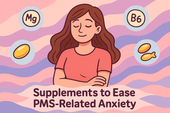
Supplements to Ease PMS-Related Anxiety
Hormones are the body’s messengers — guiding mood, energy, metabolism, and balance. 🌿 When these chemical signals flow in harmony, life feels stable and calm. Learn how nutrients, sleep, and stress management help keep hormonal communication clear, supporting emotional steadiness and overall vitality.
-
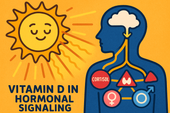
The Role of Vitamin D in Hormonal Signaling
Testosterone is more than a hormone — it’s a signal of strength, motivation, and vitality 💪. Learn how this key molecule shapes energy, mood, muscle growth, and focus in both men and women. Discover how nutrition, vitamin D, and minerals like zinc and magnesium support healthy testosterone signaling for balanced power and performance.
-
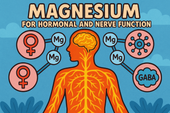
Magnesium for Hormonal and Nerve Function
Magnesium is the mineral that connects calm and vitality ⚡. It fuels nerve transmission, supports hormonal balance, and restores the body’s ability to relax under stress. Learn how magnesium strengthens communication between the nervous and endocrine systems, stabilizing cortisol, thyroid, and reproductive hormones for true equilibrium.
-

Zinc and Its Role in Hormonal Stability
Zinc is one of the body’s most powerful regulators ⚖️—a trace mineral that keeps hormones, metabolism, and energy in perfect rhythm. Learn how zinc supports testosterone, thyroid function, cortisol balance, and emotional stability while protecting against modern stress and deficiency. Discover why restoring zinc can help your body feel grounded, focused, and hormonally resilient.
-
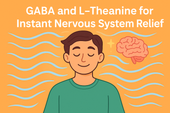
GABA and L-Theanine for Instant Nervous System Relief
When stress hits, your nervous system needs relief — not more stimulation 🌿. Discover how GABA and L-theanine work together to calm the body, quiet racing thoughts, and restore inner balance. Learn the science behind these natural compounds that ease tension, support emotional stability, and bring instant peace without sedation.
-
B-Vitamins for Faster Nerve Communication
Vitamin B1, or thiamine, is your brain’s ignition key 🔑—turning food into cellular energy and powering rapid nerve signaling. Discover how this essential nutrient fuels neurotransmitter activity, supports focus and coordination, and prevents fatigue or mental fog. Learn why maintaining optimal thiamine levels keeps your nerves firing fast and your mind sharp.
-

Supplements That Help You Stay Alert Without Anxiety
L-theanine is nature’s secret for calm focus and balanced energy 🌿. Found in green tea, this gentle amino acid promotes relaxation, supports alpha brain waves, and helps you stay alert without stress or grogginess. Discover how L-theanine can enhance focus, improve sleep quality, and restore mental calm in a fast-paced world.
-
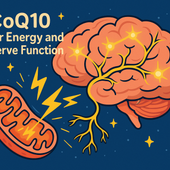
CoQ10 for Energy and Nerve Function
CoQ10 powers every cell in your body—from your heart to your brain ⚡. Learn how this essential compound fuels mitochondria, boosts nerve function, and protects your brain from oxidative stress. Discover how supplementing with CoQ10 can restore energy, sharpen focus, and support long-term neurological vitality.
-
Supplements That Support Nerve Signaling for Mental Energy
Your brain’s electrical network depends on magnesium—one of the most vital minerals for nerve signaling, calm focus, and steady mental energy ⚡. Learn how this essential nutrient powers neurotransmission, supports relaxation, and helps protect your nervous system from stress overload—so your mind feels balanced, alert, and resilient every day.
-
L-Theanine for Sleep Without Grogginess
L-theanine offers a natural path to better sleep—without the next-day fog. 🌙 Found in green tea, this gentle amino acid calms the mind, lowers stress hormones, and promotes deep relaxation without sedation. Learn how L-theanine balances your brainwaves, reduces nighttime anxiety, and helps you wake up refreshed, alert, and clear-minded.
-

Supplements to Support the Circadian Rhythm
Your body’s natural clock depends on more than just sunlight—it also relies on key nutrients to stay in sync. 🌞🌙 Discover the best supplements to support your circadian rhythm, from melatonin and magnesium for deep sleep to vitamin D and adaptogens for morning energy. Learn how to realign your internal clock for better rest, sharper focus, and stable mood every day.
-

Melatonin and Cortisol: The Night vs. Day Hormones
Melatonin and cortisol are your body’s night-and-day hormones—one helping you drift into deep sleep, the other powering your alertness each morning. 🌙☀️ Learn how these two forces work together to regulate your energy, mood, and recovery. Discover how modern stress, artificial light, and poor routines can throw them off balance—and how to naturally reset your rhythm for calm nights and focused days.
-

Supplements for Deeper Sleep and Nervous System Reset
Struggling to sleep even when you’re exhausted? 🌙 Discover how to reset your nervous system and achieve deeper, more restorative rest with the right blend of supplements, breathwork, and therapy. From magnesium and L-theanine to slow exhalations and somatic healing, this guide helps you rebuild your body’s natural rhythm of calm and recovery—so you can wake up truly renewed.
-

Rhodiola Rosea for Emotional Stability: Finding Balance Through Resilience
Stress is the body’s natural alarm system — useful in bursts, but draining when it never turns off. Learning to regulate it helps restore calm focus, emotional balance, and physical vitality. 🌿💫
-
Valerian Root for Reducing Overreaction: Calming the Mind’s Alarm System
GABA is the brain’s natural brake pedal — calming overstimulation and helping you think clearly under stress. When balanced, it brings a sense of inner peace, emotional control, and focus. 🌿🧠💫
-

Supporting Adrenal Health for a Steadier Mood
Cortisol is the body’s built-in stress alarm — essential in short bursts but harmful when constantly elevated. Learning to balance it naturally restores calm, focus, and emotional stability. 🌿⚖️
-

Cold Showers and Adaptogens for a Reset: Reclaiming Energy, Calm, and Control
Adaptogens help the body adapt to stress, restoring calm energy and balance. These ancient herbs strengthen resilience, regulate mood, and support focus — helping you stay grounded through life’s ups and downs. 🌿💫
-
L-Theanine + Caffeine: The Perfect Combo for Overcoming Mental Blocks
Neurotransmitters are the brain’s messengers — tiny molecules that shape how we think, feel, and focus. When they’re in balance, we experience calm energy, clear thinking, and emotional harmony. 🌿🧠✨
-
How Magnesium Supports Focus and Reduces Procrastination Fatigue
Magnesium is the quiet mineral behind mental clarity and steady focus. By calming the nervous system and restoring cellular energy, it helps transform fatigue and overthinking into calm, productive flow. 🌿⚡🧠
-

B Vitamins for Beating Procrastination and Boosting Energy
Procrastination isn’t just a mindset — it’s often a signal of low energy and nutrient depletion. B vitamins recharge the brain’s motivation circuits, boosting focus, clarity, and the drive to take action. 🌿⚡🧠
-
Zinc and Self-Confidence: Can It Reduce Feelings of Powerlessness?
Zinc isn’t just a mineral — it’s the foundation of emotional strength. By balancing neurotransmitters and calming the nervous system, it helps you feel more centered, assertive, and confident from the inside out. 🌿💪
-

How Vitamin D Deficiency Impacts Emotional Resilience in Co-Dependent Patterns
Co-dependency is the emotional tug-of-war between connection and self-loss — a pattern born from giving too much and receiving too little. Learning to untangle this dynamic allows for real love rooted in balance, not fear. 🌿💛
-
B Vitamins for Mood Stability and Self-Worth in Co-Dependency
Vitamin B1, or thiamine, powers both the body and the brain — fueling focus, energy, and emotional clarity. Supporting your nervous system with this essential nutrient helps restore calm and mental resilience. 🌿⚡🧠
-
Chamomile and Valerian Root: Gentle Natural Options for Anxiety in Parkinson’s
Anxiety often feels like a storm inside the mind — racing thoughts, tightness, and unease that make it hard to focus or rest. But learning to understand and calm that inner storm opens the door to peace and emotional balance. 🌿🧠
-
Melatonin and Parkinson’s: Natural Sleep Support Without Dependence
Melatonin is the body’s natural sleep hormone — guiding your mind into rest and your body into recovery. Supporting its natural rhythm can improve sleep quality, mood, and overall health without dependence. 🌙🧠
-
Choline and Brain Health in ADHD: What You Should Know
Inflammation can quietly affect both the body and mind, disrupting focus, mood, and energy. Understanding how it works — and how to calm it — is key to restoring balance, clarity, and long-term health. 🌿🧠
-
Creating a Calming Nighttime Routine with Supplements for OCD
Sleep is the brain’s nightly repair ritual — a time when emotional chaos settles and clarity returns. Prioritizing deep rest restores focus, calm, and resilience, helping both the body and mind recover naturally. 🌙🧠
-
How to Safely Combine OCD Medications with Natural Supplements
Supplements bridge the gap between nutrition and mental wellness — supporting focus, calm, and energy from within. The right combination of nutrients can help balance mood, sharpen the mind, and restore long-term resilience. 🌿🧠
-
Building a Supplement Routine for OCD Symptom Relief
OCD can feel like being trapped in your own thoughts — a battle between control and chaos. Understanding the science behind these cycles is the first step toward breaking free and finding calm within the mind. 🌿🧠
-
Curcumin and Brain Inflammation in OCD: Can It Help?
Inflammation doesn’t just affect the body — it can silently influence the brain, fueling anxiety, fatigue, and mental fog. By understanding how inflammation works, we can learn how to calm the nervous system and restore inner balance. 🌿🧠
-
Probiotics and the Gut-Brain Connection in OCD
Serotonin, often called the “feel-good” chemical, shapes our mood, focus, and emotional balance. By keeping this neurotransmitter in harmony, we support calm thinking, better sleep, and greater mental resilience. 🌿🧠
-

B Vitamins and OCD: Supporting Energy and Neurotransmitter Balance
OCD isn’t just about habits — it’s about the brain’s struggle to find control in chaos. Understanding the neurological roots behind intrusive thoughts can help replace fear with clarity and guide healing toward calm awareness. 🌿🧠
-
Zinc and OCD: The Mineral’s Role in Mental Health
Zinc is more than a trace mineral — it’s a key regulator of mood, memory, and emotional balance. By stabilizing neurotransmitters like serotonin and glutamate, zinc helps calm obsessive thought patterns and supports overall mental clarity. 🌿🧠
-
N-Acetylcysteine (NAC) and OCD: Promising Research Findings
Antioxidants act as the body’s natural defense system, neutralizing free radicals that damage brain cells and worsen anxiety or fatigue. Supporting antioxidant balance with nutrition and supplements helps protect focus, memory, and emotional stability. 🌿🧠
-
Memory Stacks: Combining Supplements for Best Results
Memory weaves the story of who we are — connecting past, present, and future through every experience we store and recall. Strengthening memory means nurturing the brain’s energy, balance, and emotional calm so learning becomes effortless. 🌿🧠
-
How Sleep Supplements Improve Memory Consolidation
Stress can cloud thinking, disrupt sleep, and weaken memory — but understanding its effects on the brain is the first step toward calm. By learning to regulate the nervous system, we can protect focus, energy, and emotional balance. 🌿🧠
-
L-Theanine and Focused Memory Processing
Science is the art of curiosity and precision — a quest to understand the unseen patterns that shape life. From molecules to galaxies, every discovery begins with observation, imagination, and the courage to ask “why.” 🔬💡
-
Rhodiola Rosea and Memory Under Stress
Stress clouds memory, slows thinking, and drains energy — but the good news is, the brain can recover. By understanding how stress affects focus and emotion, we can learn to regulate it, restore clarity, and protect long-term cognitive health. 🌿🧠
-

Ashwagandha for Stress-Related Memory Issues
Adaptogens are nature’s answer to modern stress. These powerful herbs — like Ashwagandha, Rhodiola, and Holy Basil — help balance cortisol, support calm focus, and strengthen the body’s resilience, bringing the mind back to harmony. 🌿🧘♀️


