
GABA Supplements for Overthinking and Obsessive Thoughts
Introduction
In a world that never stops moving, the mind often mirrors that pace — spinning, worrying, analyzing, replaying. For many people, overthinking feels less like a bad habit and more like a biological condition: the inability to turn off the mental noise.
At first, it may look like anxiety or perfectionism, but when the thoughts become intrusive, repetitive, or obsessive, they start to resemble a deeper imbalance — a sign that the nervous system is trapped in a loop of overstimulation.
One of the most important yet often overlooked players in this cycle is GABA (gamma-aminobutyric acid) — the brain’s primary calming neurotransmitter. When GABA levels are low or its signaling is impaired, the brain loses its natural “brakes,” leading to mental overactivity, muscle tension, and restlessness.
GABA supplements and compounds that influence its function have gained attention for their potential to help quiet the mind naturally. For people struggling with obsessive thoughts, anxiety, or sleep issues, restoring GABA balance could mean rediscovering what it feels like to truly relax. 🌙
Looking for supplements for This? Click here.
🧠 The Overactive Mind
Overthinking isn’t just a personality trait — it’s a neurological state. The brain is made up of billions of neurons communicating through electrical and chemical signals. Excitatory neurotransmitters like glutamate drive thinking, problem-solving, and alertness. In contrast, inhibitory neurotransmitters like GABA slow things down, promote calmness, and prevent mental burnout.
When these two systems fall out of balance — too much excitation, not enough inhibition — the result is neural noise. The brain stays stuck in high gear, constantly processing, predicting, and reacting.
This imbalance is particularly visible in conditions like OCD (Obsessive–Compulsive Disorder), Generalized Anxiety Disorder, and even chronic insomnia. Functional brain scans show hyperactivity in regions responsible for worry, decision-making, and self-monitoring — especially the amygdala, orbitofrontal cortex, and anterior cingulate cortex.
The root cause of this overactivity often involves dysregulated GABA signaling. Low GABA means fewer inhibitory messages, allowing thoughts to multiply uncontrollably. In essence, the brain loses its natural “pause button.” 🌿
🌾 What Is GABA?

GABA is short for gamma-aminobutyric acid, a naturally occurring amino acid that serves as the brain’s main inhibitory neurotransmitter. It tells neurons when to slow down, reduces excessive firing, and creates the conditions for mental calm and emotional regulation.
GABA is synthesized from glutamate through the enzyme glutamate decarboxylase (GAD). This relationship between GABA and glutamate is crucial: they’re two sides of the same coin. When glutamate levels rise under stress, GABA production must keep up to maintain balance. If it doesn’t, the system tilts toward excitation — anxiety, restlessness, overthinking.
The brain uses GABA not just to relax but to fine-tune focus and protect against overstimulation. It plays a central role in sleep onset, muscle control, and the regulation of mood. Without enough of it, everything feels too loud — inside and out. 🌿
🌙 GABA and the Stress Response
When you face a stressful situation, the hypothalamus activates the HPA axis — releasing cortisol, adrenaline, and other stress hormones. These chemicals sharpen alertness temporarily but also increase glutamate activity, keeping neurons on high alert.
Under normal conditions, GABA counterbalances this excitation, signaling the body that the threat has passed. However, chronic stress depletes GABA levels and desensitizes its receptors, meaning the brain stays in “on” mode long after the danger is gone.
This is why chronic worriers or those with obsessive tendencies often feel stuck between exhaustion and agitation. They’re physically tired but mentally unable to slow down.
By replenishing GABA and improving receptor sensitivity, the nervous system can relearn how to shift from fight-or-flight to rest-and-digest — the parasympathetic state where healing and relaxation occur. 🌾
💫 The Feeling of Low GABA
A GABA-deficient brain doesn’t rest easily. Symptoms often include constant internal chatter, difficulty focusing, irritability, light sleep, muscle tension, or panic sensations without clear triggers. Some people experience it as a buzzing mind; others describe it as “mental static.”
Low GABA doesn’t necessarily mean there’s no GABA — it can also mean the brain isn’t responding to it efficiently. Receptor desensitization (from chronic stress, caffeine, or stimulant overuse) can mimic deficiency.
In these states, supplementing with GABA or GABA-boosting compounds can help reset neural sensitivity — teaching the brain to hear its own calming signals again. 🌿
🌿 Can GABA Supplements Cross the Blood–Brain Barrier?
One of the most debated questions about GABA supplementation is whether it can actually reach the brain. The blood–brain barrier (BBB) is a tightly regulated membrane that protects the brain from harmful substances — and GABA molecules are relatively large, making it hard for them to pass through.
Yet growing evidence suggests that oral GABA can still produce calming effects, likely through indirect pathways. Research indicates that GABA may interact with the enteric nervous system (the “second brain” in the gut) and vagus nerve, sending relaxation signals from the body to the brain.
In other words, even if GABA doesn’t flood the brain directly, it may calm the body enough for the brain to follow suit — a process known as bottom-up regulation. This aligns with the gut-brain axis model, where neurotransmitters made in the gut influence mood and anxiety.
Moreover, certain forms of GABA — like pharmaGABA, a naturally fermented version — appear to cross the BBB more efficiently than synthetic forms. Studies using this form have shown reductions in anxiety and improvements in sleep and heart rate variability. 🌾
🌙 The Mind–Body Feedback Loop
One of the most fascinating aspects of GABA’s role in mental health is how tightly it links the mind and body. When GABA is low, not only does the mind race — the body follows: muscles tighten, the heart rate quickens, and digestion slows. This physical tension then sends danger signals back to the brain, perpetuating anxiety.
By enhancing GABA activity, this loop can reverse. Relaxed muscles and slower breathing send safety signals to the brain, which reduces the emotional charge behind intrusive or repetitive thoughts.
This is why practices that increase natural GABA — like deep breathing, yoga, or meditation — feel profoundly calming. They don’t just change the mind; they change the body’s chemistry. Supplements can work in the same direction, creating a foundation for these practices to be more effective. 🌿
💫 GABA and Obsessive Thinking
Obsessive or intrusive thoughts are often fueled by an overactive cortico-striato-thalamo-cortical loop — a brain network responsible for decision-making and habit formation. In OCD, this circuit fails to shut off after a task is completed or a threat is resolved.
GABA helps regulate this circuit by inhibiting excessive neural firing in the basal ganglia and anterior cingulate cortex. When GABA function improves, intrusive thoughts may still appear, but they carry less emotional weight and fade faster.
This doesn’t mean GABA “erases” thoughts — rather, it helps the brain let go. The compulsion to check, fix, or neutralize decreases because the nervous system no longer interprets those thoughts as emergencies.
For people combining supplements with therapy, this physiological calm can make Exposure and Response Prevention (ERP) easier to tolerate. Instead of being flooded by anxiety, they can observe discomfort with more stability. 🌾
🌿 Natural GABA Boosters
While direct GABA supplements may help, many people also use precursors and cofactors that enhance GABA synthesis naturally. These include nutrients like magnesium, vitamin B6, and taurine — each involved in the enzymatic steps that produce or activate GABA.
Certain herbs, known as GABAergic adaptogens, also increase GABA activity. Examples include valerian root, passionflower, ashwagandha, and lemon balm. These plants contain compounds that bind to GABA receptors or prolong GABA’s effects in the synapses.
Interestingly, L-theanine, an amino acid from green tea, raises GABA levels while promoting alpha brain waves — the same pattern associated with calm alertness. Many supplements combine L-theanine with GABA for synergistic effects.
This natural stacking approach — supporting both synthesis and signaling — often works better than GABA alone. 🌙
💫 The GABA–Glutamate Balance
Because GABA is made from glutamate, the relationship between these two neurotransmitters is delicate. Too much glutamate, often driven by chronic stress or inflammation, can overstimulate the brain and lead to anxiety, insomnia, and intrusive thinking.
GABA acts as a protective counterforce — converting excess excitation into calm. However, if the conversion process (regulated by magnesium and B6) is impaired, glutamate dominates, and the nervous system becomes “wired.”
This biochemical imbalance mirrors the lived experience of overthinkers: an abundance of energy but no off switch. Restoring GABA through diet, supplementation, and lifestyle isn’t about sedating the brain — it’s about bringing harmony back to this cycle. 🌿
🌾 The Role of the Gut–Brain Axis
Up to 90% of the body’s GABA receptors exist outside the brain, particularly in the gut. The enteric nervous system uses GABA to regulate digestion, inflammation, and communication with the vagus nerve — which sends signals directly to the brainstem.
When gut health is compromised by poor diet, stress, or inflammation, this GABA signaling weakens. Research has shown that certain probiotic strains, such as Lactobacillus rhamnosus and Bifidobacterium longum, increase GABA production in the gut and reduce anxiety-like behavior in animal models.
This gut-mediated pathway offers another explanation for how GABA supplements and foods may calm the mind indirectly. Supporting gut health with fiber, fermented foods, and stress reduction can make the brain more responsive to GABA’s effects. 🌙
💫 Sleep and Mental Restoration
Sleep is when GABA does some of its most essential work. It regulates the transition from wakefulness to rest by suppressing excitatory signals in the brain. Low GABA activity is strongly associated with insomnia and restless sleep.
Supplementation with GABA or GABA-promoting compounds can improve sleep latency — the time it takes to fall asleep — and increase slow-wave sleep, the deep, restorative phase that repairs neural connections.
In people with obsessive or racing thoughts, this deeper rest can lead to noticeable improvements in daytime focus and emotional regulation. The brain, finally rested, can process information more efficiently and react less dramatically to intrusive thoughts. 🌿
🌾 The Role of Inflammation and Oxidative Stress
Chronic stress and overthinking are inflammatory processes at their core. Overactive neurons produce more free radicals and cytokines, which can impair GABA receptor function. Over time, this leads to neuroinflammation, particularly in the limbic system — the emotional center of the brain.
Antioxidants like CoQ10, alpha-lipoic acid, and omega-3 fatty acids help counteract this. But GABA itself also exerts anti-inflammatory effects. It modulates immune cells known as macrophages and microglia, reducing the inflammatory signaling that contributes to anxiety and cognitive fatigue.
This interplay between GABA and inflammation is one reason why calming the mind has measurable effects on physical health — lower blood pressure, improved immunity, and even reduced pain sensitivity. 🌿
🌙 The Emotional Side of Calm
People who experience chronic overthinking often describe an underlying sense of “never enough” — not enough time, not enough certainty, not enough safety. These beliefs, encoded in both thought and physiology, keep the body in a perpetual state of alertness.
Restoring GABA levels doesn’t erase these thoughts overnight, but it changes the body’s reaction to them. With a calmer baseline, the mind becomes more spacious, capable of observing worries without drowning in them.
This emotional shift — from panic to perspective — is what true calm feels like. It’s not numbness but balance: the ability to think clearly without being consumed by thought. 🌾
💫 GABA and Meditation: A Natural Parallel
Meditation increases natural GABA levels by up to 27%, according to neuroimaging studies. This suggests that the sense of tranquility experienced in deep meditation mirrors the biochemical effects of healthy GABA function.
For those who struggle to meditate because their minds race too fast, GABA supplementation can help bridge the gap. By lowering neural noise, it allows mindfulness to arise more easily. This is why combining supplements with daily breathwork or gentle yoga can amplify their benefits — the chemistry and consciousness working together toward stillness. 🌿
🌾 Safety and Practical Use
GABA supplements are generally well tolerated. Mild drowsiness or tingling sensations are possible but temporary. Because GABA naturally slows neural activity, combining it with alcohol, sedatives, or strong sleep medications should be avoided.
Typical doses range from 100 to 300 mg for relaxation or 500 mg for deeper sleep support. Consistency is more important than high dosing — gradual rebalancing tends to produce the best results.
As always, people taking psychiatric medication should consult a healthcare provider before introducing any supplement. GABA is safe, but its effects can vary depending on existing neurotransmitter modulation. 🌙
💫 Conclusion: Teaching the Brain to Rest Again
Overthinking and obsessive thoughts are signs of a brain that has forgotten how to rest. They aren’t flaws of character but symptoms of overstimulation — a system too charged with energy and not enough calm.
GABA represents the language of relaxation. It’s how the brain tells itself that it’s safe, that it can pause, breathe, and reflect. When GABA is restored — whether through supplements, lifestyle, or mindfulness — that language becomes audible again.
For those caught in loops of worry or obsession, this biochemical harmony can feel like silence for the first time in years — not empty, but peaceful.
In that quiet, the mind doesn’t disappear; it transforms. Thoughts still come, but they flow instead of circling. The world softens. The self expands. And calm is no longer an idea, but a lived experience. 🌿💫
Looking for online therapy ? Click Here.
📚 References
Cryan, J. F., et al. (2019). The microbiota-gut-brain axis in health and disease. Physiological Reviews, 99(4), 1877–2013.
Boonstra, E., et al. (2015). Neurotransmitters as food supplements: The effects of GABA on brain and behavior. Frontiers in Psychology, 6, 1520.
Abdou, A. M., et al. (2006). Relaxation and immunity enhancement effects of gamma-aminobutyric acid (GABA) administration in humans. Biofactors, 26(3), 201–208.
Yoto, A., et al. (2012). Oral intake of GABA reduces stress and fatigue in humans. Journal of Nutritional Science and Vitaminology, 58(3), 188–194.
Fogaça, M. V., et al. (2020). GABAergic dysfunction in stress and psychiatric disorders. Frontiers in Cellular Neuroscience, 14, 123.
Bravo, J. A., et al. (2011). Ingestion of Lactobacillus rhamnosus reduces anxiety and alters GABA receptor expression. PNAS, 108(38), 16050–16055.
Dell’Osso, B., et al. (2011). Neuroinflammation and oxidative stress in OCD. CNS Spectrums, 16(4), 53–59.
Murck, H. (2002). Magnesium and GABA interactions in stress and mood regulation. Psychopharmacology, 229(2), 527–534.
Kim, S. Y., et al. (2015). Neuroprotective and anti-inflammatory effects of GABAergic compounds. Journal of Neurochemistry, 132(1), 60–71.
Hepsomali, P., et al. (2020). Effects of GABA supplementation on mood and sleep: A systematic review. Frontiers in Neuroscience, 14, 923.
Related Posts
-

Supplements for Staying Present and Grounded
L-Theanine is nature’s calm focus enhancer 🍃. Derived from green tea, it promotes relaxation without drowsiness by balancing GABA, serotonin, and dopamine. Learn how this amino acid supports smooth focus, emotional balance, and mindful presence in daily life.
-
Supplements That Support Emotional Openness
Emotional openness starts in the body 🌿. When your nervous system feels safe, your heart can express freely. Learn how supplements like magnesium, Ashwagandha, and L-theanine support calm connection, balanced emotions, and the courage to stay authentically open.
-
Daily Supplement Routine for Consistent Confidence
Confidence is built through rhythm, not luck 🌿. A daily supplement routine can help your energy, mood, and focus stay balanced from morning to night. Learn how adaptogens, magnesium, and B vitamins work together to create steady calm and lasting self-assurance.
-
Supplement Timing Tips for Social Success
Social confidence has its own rhythm 🌿. When you time your supplements to match your body’s natural energy cycles, calm and focus align effortlessly. Learn how magnesium, L-theanine, and adaptogens can help you stay grounded, charismatic, and fully present at just the right moment.
-
Supplements for Confident Public Speaking
Public speaking confidence begins with biology 🎤🌿. When your nervous system is calm and your neurotransmitters are balanced, your voice, focus, and presence flow naturally. Learn how supplements like magnesium, GABA, and adaptogens can align your body’s chemistry with the calm clarity you need to speak authentically.
-

Travel-Friendly Supplements for On-the-Go Confidence
Magnesium is the ultimate travel mineral for calm and balance ✈️🌿. It relaxes the nervous system, eases stress from jet lag or fatigue, and supports muscle and mental recovery. Discover how this essential nutrient keeps you centered, focused, and energized wherever your journey takes you.
-

Supplements for Confident Video Calls
Magnesium is the mineral that brings calm to both body and mind 🌿. It supports relaxation, better sleep, and a stable mood by regulating cortisol and soothing the nervous system. Learn how magnesium supplements can restore balance, reduce anxiety, and help you feel centered under stress.
-

Ashwagandha for Calming the Stress Response
Ashwagandha helps your body remember how to relax 🌿. As one of the most trusted adaptogens, it calms the stress response by lowering cortisol, soothing the nervous system, and restoring natural energy balance. Learn how this ancient herb promotes deeper sleep, emotional steadiness, and resilience in today’s high-stress world.
-

How GABA Supplements Can Help You Feel Grounded
GABA is the brain’s natural calm signal 🌿. When life feels overwhelming, this neurotransmitter helps quiet mental noise, relax muscles, and restore emotional balance. Learn how GABA supplements can calm the nervous system, reduce anxiety, and help you feel grounded in your body again.
-
Rhodiola Rosea for Energy Without Overstimulation
Rhodiola rosea offers a rare kind of energy — one rooted in calm, not chaos 🌿. Known as the golden root, this adaptogen enhances endurance, focus, and mood by balancing cortisol and supporting the nervous system. Discover how Rhodiola restores natural vitality without the overstimulation of caffeine or stress-driven fatigue.
-
Holy Basil and Cortisol Control
Holy basil, or Tulsi, is one of nature’s most powerful adaptogens 🌿. Revered in Ayurvedic medicine for centuries, it helps balance cortisol, calm the mind, and protect the body from stress. Learn how holy basil restores hormonal harmony, supports energy, and promotes emotional resilience in a fast-paced world.
-
Supplements to Ease PMS-Related Anxiety
Hormones are the body’s messengers — guiding mood, energy, metabolism, and balance. 🌿 When these chemical signals flow in harmony, life feels stable and calm. Learn how nutrients, sleep, and stress management help keep hormonal communication clear, supporting emotional steadiness and overall vitality.
-
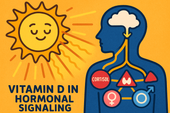
The Role of Vitamin D in Hormonal Signaling
Testosterone is more than a hormone — it’s a signal of strength, motivation, and vitality 💪. Learn how this key molecule shapes energy, mood, muscle growth, and focus in both men and women. Discover how nutrition, vitamin D, and minerals like zinc and magnesium support healthy testosterone signaling for balanced power and performance.
-
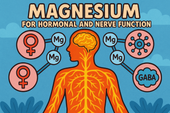
Magnesium for Hormonal and Nerve Function
Magnesium is the mineral that connects calm and vitality ⚡. It fuels nerve transmission, supports hormonal balance, and restores the body’s ability to relax under stress. Learn how magnesium strengthens communication between the nervous and endocrine systems, stabilizing cortisol, thyroid, and reproductive hormones for true equilibrium.
-

Zinc and Its Role in Hormonal Stability
Zinc is one of the body’s most powerful regulators ⚖️—a trace mineral that keeps hormones, metabolism, and energy in perfect rhythm. Learn how zinc supports testosterone, thyroid function, cortisol balance, and emotional stability while protecting against modern stress and deficiency. Discover why restoring zinc can help your body feel grounded, focused, and hormonally resilient.
-
GABA and L-Theanine for Instant Nervous System Relief
When stress hits, your nervous system needs relief — not more stimulation 🌿. Discover how GABA and L-theanine work together to calm the body, quiet racing thoughts, and restore inner balance. Learn the science behind these natural compounds that ease tension, support emotional stability, and bring instant peace without sedation.
-
B-Vitamins for Faster Nerve Communication
Vitamin B1, or thiamine, is your brain’s ignition key 🔑—turning food into cellular energy and powering rapid nerve signaling. Discover how this essential nutrient fuels neurotransmitter activity, supports focus and coordination, and prevents fatigue or mental fog. Learn why maintaining optimal thiamine levels keeps your nerves firing fast and your mind sharp.
-

Supplements That Help You Stay Alert Without Anxiety
L-theanine is nature’s secret for calm focus and balanced energy 🌿. Found in green tea, this gentle amino acid promotes relaxation, supports alpha brain waves, and helps you stay alert without stress or grogginess. Discover how L-theanine can enhance focus, improve sleep quality, and restore mental calm in a fast-paced world.
-
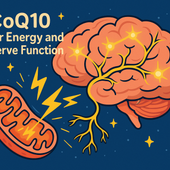
CoQ10 for Energy and Nerve Function
CoQ10 powers every cell in your body—from your heart to your brain ⚡. Learn how this essential compound fuels mitochondria, boosts nerve function, and protects your brain from oxidative stress. Discover how supplementing with CoQ10 can restore energy, sharpen focus, and support long-term neurological vitality.
-
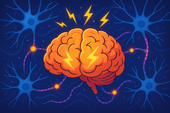
Supplements That Support Nerve Signaling for Mental Energy
Your brain’s electrical network depends on magnesium—one of the most vital minerals for nerve signaling, calm focus, and steady mental energy ⚡. Learn how this essential nutrient powers neurotransmission, supports relaxation, and helps protect your nervous system from stress overload—so your mind feels balanced, alert, and resilient every day.
-
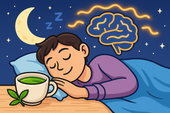
L-Theanine for Sleep Without Grogginess
L-theanine offers a natural path to better sleep—without the next-day fog. 🌙 Found in green tea, this gentle amino acid calms the mind, lowers stress hormones, and promotes deep relaxation without sedation. Learn how L-theanine balances your brainwaves, reduces nighttime anxiety, and helps you wake up refreshed, alert, and clear-minded.
-
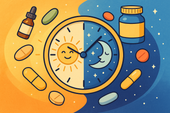
Supplements to Support the Circadian Rhythm
Your body’s natural clock depends on more than just sunlight—it also relies on key nutrients to stay in sync. 🌞🌙 Discover the best supplements to support your circadian rhythm, from melatonin and magnesium for deep sleep to vitamin D and adaptogens for morning energy. Learn how to realign your internal clock for better rest, sharper focus, and stable mood every day.
-
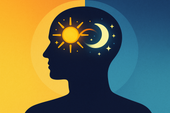
Melatonin and Cortisol: The Night vs. Day Hormones
Melatonin and cortisol are your body’s night-and-day hormones—one helping you drift into deep sleep, the other powering your alertness each morning. 🌙☀️ Learn how these two forces work together to regulate your energy, mood, and recovery. Discover how modern stress, artificial light, and poor routines can throw them off balance—and how to naturally reset your rhythm for calm nights and focused days.
-
Supplements for Deeper Sleep and Nervous System Reset
Struggling to sleep even when you’re exhausted? 🌙 Discover how to reset your nervous system and achieve deeper, more restorative rest with the right blend of supplements, breathwork, and therapy. From magnesium and L-theanine to slow exhalations and somatic healing, this guide helps you rebuild your body’s natural rhythm of calm and recovery—so you can wake up truly renewed.
-
Rhodiola Rosea for Emotional Stability: Finding Balance Through Resilience
Stress is the body’s natural alarm system — useful in bursts, but draining when it never turns off. Learning to regulate it helps restore calm focus, emotional balance, and physical vitality. 🌿💫
-
Valerian Root for Reducing Overreaction: Calming the Mind’s Alarm System
GABA is the brain’s natural brake pedal — calming overstimulation and helping you think clearly under stress. When balanced, it brings a sense of inner peace, emotional control, and focus. 🌿🧠💫
-

Supporting Adrenal Health for a Steadier Mood
Cortisol is the body’s built-in stress alarm — essential in short bursts but harmful when constantly elevated. Learning to balance it naturally restores calm, focus, and emotional stability. 🌿⚖️
-

Cold Showers and Adaptogens for a Reset: Reclaiming Energy, Calm, and Control
Adaptogens help the body adapt to stress, restoring calm energy and balance. These ancient herbs strengthen resilience, regulate mood, and support focus — helping you stay grounded through life’s ups and downs. 🌿💫
-
L-Theanine + Caffeine: The Perfect Combo for Overcoming Mental Blocks
Neurotransmitters are the brain’s messengers — tiny molecules that shape how we think, feel, and focus. When they’re in balance, we experience calm energy, clear thinking, and emotional harmony. 🌿🧠✨
-
How Magnesium Supports Focus and Reduces Procrastination Fatigue
Magnesium is the quiet mineral behind mental clarity and steady focus. By calming the nervous system and restoring cellular energy, it helps transform fatigue and overthinking into calm, productive flow. 🌿⚡🧠
-

B Vitamins for Beating Procrastination and Boosting Energy
Procrastination isn’t just a mindset — it’s often a signal of low energy and nutrient depletion. B vitamins recharge the brain’s motivation circuits, boosting focus, clarity, and the drive to take action. 🌿⚡🧠
-
Zinc and Self-Confidence: Can It Reduce Feelings of Powerlessness?
Zinc isn’t just a mineral — it’s the foundation of emotional strength. By balancing neurotransmitters and calming the nervous system, it helps you feel more centered, assertive, and confident from the inside out. 🌿💪
-
How Vitamin D Deficiency Impacts Emotional Resilience in Co-Dependent Patterns
Co-dependency is the emotional tug-of-war between connection and self-loss — a pattern born from giving too much and receiving too little. Learning to untangle this dynamic allows for real love rooted in balance, not fear. 🌿💛
-
B Vitamins for Mood Stability and Self-Worth in Co-Dependency
Vitamin B1, or thiamine, powers both the body and the brain — fueling focus, energy, and emotional clarity. Supporting your nervous system with this essential nutrient helps restore calm and mental resilience. 🌿⚡🧠
-
Chamomile and Valerian Root: Gentle Natural Options for Anxiety in Parkinson’s
Anxiety often feels like a storm inside the mind — racing thoughts, tightness, and unease that make it hard to focus or rest. But learning to understand and calm that inner storm opens the door to peace and emotional balance. 🌿🧠
-
Melatonin and Parkinson’s: Natural Sleep Support Without Dependence
Melatonin is the body’s natural sleep hormone — guiding your mind into rest and your body into recovery. Supporting its natural rhythm can improve sleep quality, mood, and overall health without dependence. 🌙🧠
-
Choline and Brain Health in ADHD: What You Should Know
Inflammation can quietly affect both the body and mind, disrupting focus, mood, and energy. Understanding how it works — and how to calm it — is key to restoring balance, clarity, and long-term health. 🌿🧠
-
Creating a Calming Nighttime Routine with Supplements for OCD
Sleep is the brain’s nightly repair ritual — a time when emotional chaos settles and clarity returns. Prioritizing deep rest restores focus, calm, and resilience, helping both the body and mind recover naturally. 🌙🧠
-
How to Safely Combine OCD Medications with Natural Supplements
Supplements bridge the gap between nutrition and mental wellness — supporting focus, calm, and energy from within. The right combination of nutrients can help balance mood, sharpen the mind, and restore long-term resilience. 🌿🧠
-
Building a Supplement Routine for OCD Symptom Relief
OCD can feel like being trapped in your own thoughts — a battle between control and chaos. Understanding the science behind these cycles is the first step toward breaking free and finding calm within the mind. 🌿🧠
-
Curcumin and Brain Inflammation in OCD: Can It Help?
Inflammation doesn’t just affect the body — it can silently influence the brain, fueling anxiety, fatigue, and mental fog. By understanding how inflammation works, we can learn how to calm the nervous system and restore inner balance. 🌿🧠
-
Probiotics and the Gut-Brain Connection in OCD
Serotonin, often called the “feel-good” chemical, shapes our mood, focus, and emotional balance. By keeping this neurotransmitter in harmony, we support calm thinking, better sleep, and greater mental resilience. 🌿🧠
-

B Vitamins and OCD: Supporting Energy and Neurotransmitter Balance
OCD isn’t just about habits — it’s about the brain’s struggle to find control in chaos. Understanding the neurological roots behind intrusive thoughts can help replace fear with clarity and guide healing toward calm awareness. 🌿🧠
-
Zinc and OCD: The Mineral’s Role in Mental Health
Zinc is more than a trace mineral — it’s a key regulator of mood, memory, and emotional balance. By stabilizing neurotransmitters like serotonin and glutamate, zinc helps calm obsessive thought patterns and supports overall mental clarity. 🌿🧠
-
N-Acetylcysteine (NAC) and OCD: Promising Research Findings
Antioxidants act as the body’s natural defense system, neutralizing free radicals that damage brain cells and worsen anxiety or fatigue. Supporting antioxidant balance with nutrition and supplements helps protect focus, memory, and emotional stability. 🌿🧠
-
Memory Stacks: Combining Supplements for Best Results
Memory weaves the story of who we are — connecting past, present, and future through every experience we store and recall. Strengthening memory means nurturing the brain’s energy, balance, and emotional calm so learning becomes effortless. 🌿🧠
-
How Sleep Supplements Improve Memory Consolidation
Stress can cloud thinking, disrupt sleep, and weaken memory — but understanding its effects on the brain is the first step toward calm. By learning to regulate the nervous system, we can protect focus, energy, and emotional balance. 🌿🧠
-
L-Theanine and Focused Memory Processing
Science is the art of curiosity and precision — a quest to understand the unseen patterns that shape life. From molecules to galaxies, every discovery begins with observation, imagination, and the courage to ask “why.” 🔬💡
-
Rhodiola Rosea and Memory Under Stress
Stress clouds memory, slows thinking, and drains energy — but the good news is, the brain can recover. By understanding how stress affects focus and emotion, we can learn to regulate it, restore clarity, and protect long-term cognitive health. 🌿🧠
-
Ashwagandha for Stress-Related Memory Issues
Adaptogens are nature’s answer to modern stress. These powerful herbs — like Ashwagandha, Rhodiola, and Holy Basil — help balance cortisol, support calm focus, and strengthen the body’s resilience, bringing the mind back to harmony. 🌿🧘♀️


