
Early Warning Signs of Alzheimer’s—and How Nutrition Can Help
Introduction
Alzheimer’s disease is one of the most feared neurological conditions of our time. It begins quietly — with small lapses in memory, subtle changes in attention, or shifts in mood that can be mistaken for normal aging. But beneath these early signs, complex biochemical changes are already reshaping the brain’s structure and function.
While there’s no single way to prevent Alzheimer’s, mounting research shows that nutrition plays a powerful role in slowing its progression and protecting the brain’s resilience. The food we eat can influence inflammation, blood flow, neurotransmitter balance, and even the way neurons communicate.
Recognizing early warning signs — and responding to them with nourishing choices — can make a profound difference. This article explores how to detect those first cognitive shifts, and how evidence-based nutrition can help the brain stay sharp, balanced, and strong. 🌿
Looking for supplements for This? Click here.
🌸 What Alzheimer’s Really Is
Alzheimer’s disease is a progressive neurodegenerative condition that primarily affects memory, thinking, and behavior. It’s caused by the accumulation of amyloid-beta plaques and tau protein tangles in the brain — sticky substances that disrupt communication between neurons and eventually lead to cell death.
But these physical changes don’t happen overnight. Research suggests that the disease process may begin 10–20 years before symptoms become noticeable. During that preclinical phase, the brain starts losing its efficiency in processing glucose (its main energy source), inflammation increases, and oxidative stress damages delicate neural tissue.
This makes early detection — and early intervention — essential. By the time memory loss becomes obvious, much of the damage has already taken place. Yet if caught early, lifestyle and nutritional strategies can slow down or even partially reverse some of these changes.
🧩 The Earliest Warning Signs
Alzheimer’s rarely begins with dramatic forgetfulness. Instead, the first signs are often subtle — changes in daily habits, focus, or personality that may go unnoticed until they accumulate.
Short-Term Memory Lapses
Forgetting recent conversations, misplacing items, or struggling to recall new names are among the earliest indicators. People may remember things from years ago but have trouble remembering what they had for breakfast.
Difficulty Finding Words
Trouble expressing thoughts or recalling simple words (“that thing” instead of “phone”) can appear long before full language impairment.
Reduced Problem-Solving Ability
Tasks that once felt effortless — balancing a checkbook, following a recipe, or managing appointments — start to feel confusing or overwhelming.
Changes in Mood or Personality
Anxiety, irritability, or apathy can appear years before noticeable memory loss. The brain’s emotional centers are affected early, sometimes leading to withdrawal or depression.
Spatial Confusion
Getting lost on familiar routes or having difficulty judging distances while driving can reflect early changes in the brain’s spatial navigation system.
Disrupted Sleep
Sleep disturbances — especially restless nights or vivid dreams — often precede cognitive decline. The brain performs “clean-up” functions during deep sleep; poor sleep means more toxic buildup.
Loss of Initiative
Activities that once brought joy or motivation may start to feel meaningless. This isn’t laziness — it’s a neurochemical shift in dopamine and reward pathways.
Recognizing these signs early allows for powerful lifestyle interventions, and one of the most effective of those interventions is nutrition.
🌿 The Brain–Nutrition Connection
The human brain makes up only 2% of body weight but consumes about 20% of daily energy. It’s an energy-hungry organ that relies on a steady flow of nutrients, oxygen, and healthy fats to function properly.
When the diet is deficient in essential nutrients — or overloaded with inflammatory foods — the brain’s energy metabolism falters. This contributes to oxidative stress, neuroinflammation, and insulin resistance — all hallmarks of early Alzheimer’s disease.
Nutrition affects Alzheimer’s in three major ways:
Reducing inflammation that damages neurons.
Supporting mitochondrial energy production to keep neurons alive and functional.
Providing antioxidants and essential fatty acids that protect cell membranes and communication pathways.
Let’s explore the nutrients that make the biggest difference.
🫐 Antioxidants: Defending Against Oxidative Stress

Oxidative stress is like rust on the brain — it slowly erodes neurons through the accumulation of free radicals. Antioxidants neutralize these unstable molecules, protecting brain tissue from further harm.
Fruits and vegetables rich in vitamin C, vitamin E, polyphenols, and flavonoids help combat this oxidative damage. Blueberries, blackberries, and raspberries are particularly powerful because they contain anthocyanins — compounds that cross the blood–brain barrier and directly protect neurons.
Green tea, rich in EGCG, has been shown to improve cognitive performance and reduce amyloid plaque buildup. Similarly, dark chocolate with high cacao content supports blood flow and antioxidant activity.
A simple rule of thumb: eat the rainbow. The more color on your plate, the wider the range of protective phytochemicals your brain receives. 🌈
🫒 Healthy Fats: Feeding the Brain
The brain is made up of nearly 60% fat, and its membranes rely on high-quality lipids for communication and repair. The right fats can enhance memory and protect against inflammation, while the wrong ones accelerate degeneration.
Omega-3 fatty acids, particularly DHA (docosahexaenoic acid), are crucial for maintaining neuron flexibility and signaling. Found in fatty fish like salmon, mackerel, and sardines — and in plant sources like flaxseed and algae oil — omega-3s improve synaptic plasticity, the brain’s ability to form and retain connections.
Low DHA levels are strongly linked to cognitive decline and Alzheimer’s progression. Supplementation has been shown to enhance memory, attention, and even mood in older adults.
Conversely, trans fats and excess omega-6 oils (from fried foods, processed snacks, and seed oils) contribute to neuroinflammation. Replacing these with olive oil, avocado, and nuts supports brain longevity.
The Mediterranean diet, which emphasizes these healthy fats, has consistently been associated with lower Alzheimer’s risk. 🫒
🌾 B Vitamins: Fuel for Mental Clarity
The B-vitamin family — especially B6, B12, and folate (B9) — plays a pivotal role in brain metabolism. They help regulate homocysteine, an amino acid that, when elevated, damages blood vessels and accelerates cognitive decline.
Low levels of B12 or folate are common in older adults and can mimic early Alzheimer’s symptoms such as memory loss, confusion, and depression. Supplementation in deficient individuals can dramatically improve clarity and mood.
B vitamins also support the production of neurotransmitters like serotonin and dopamine — critical for motivation, calmness, and focus.
Foods rich in B vitamins include leafy greens, eggs, legumes, nutritional yeast, and fortified grains. For those following plant-based diets, methylated B12 supplements may be necessary to maintain optimal levels.
🥦 The Role of Magnesium and Zinc
Magnesium and zinc are two trace minerals often overlooked in brain health. Magnesium helps regulate electrical activity between neurons and calms the nervous system by supporting GABA signaling.
Zinc contributes to memory formation and protects against oxidative stress. Both minerals are depleted by chronic stress and poor diet, making their replenishment vital for cognitive balance.
Magnesium-rich foods include spinach, almonds, and dark chocolate, while zinc can be found in pumpkin seeds, lentils, and seafood.
Together, they help stabilize mood, reduce irritability, and support neural communication — essential functions that begin to falter in the early stages of Alzheimer’s. 🌿
🧬 Gut Health and the Brain
In recent years, scientists have discovered a surprising truth: the gut and brain are deeply interconnected. This relationship, known as the gut-brain axis, means that the bacteria living in your intestines can influence mood, memory, and inflammation in the brain.
When the gut microbiome is imbalanced (a condition called dysbiosis), it can trigger systemic inflammation and release harmful compounds that reach the brain through the bloodstream. This “leaky gut–leaky brain” phenomenon contributes to neurodegeneration and accelerates amyloid buildup.
Probiotics (found in yogurt, kefir, and fermented foods like sauerkraut) and prebiotics (from fiber-rich foods like garlic, onions, and bananas) help maintain a healthy gut ecosystem.
Research shows that a balanced microbiome enhances cognitive performance and may even reduce the risk of Alzheimer’s. The gut truly acts as the brain’s first line of defense — nourishing it from within. 🌱
🌻 Blood Sugar and Insulin Resistance
Alzheimer’s has sometimes been called “type 3 diabetes” because of its strong connection to insulin resistance in the brain. When neurons become less responsive to insulin, they can’t efficiently absorb glucose, leading to energy deficits and cognitive decline.
Diets high in refined sugar and processed carbohydrates contribute to this dysfunction by overloading the brain’s energy system. The result: oxidative stress, inflammation, and eventually amyloid buildup.
Adopting a diet low in refined sugars and rich in fiber, healthy fats, and lean proteins helps stabilize blood sugar and preserve brain energy metabolism.
Some studies suggest that ketogenic or low-glycemic diets — which use ketones instead of glucose for energy — may further protect neurons. Coconut oil, MCT oil, and intermittent fasting can enhance ketone availability, offering an alternative fuel source for aging brains.
🍎 Polyphenols and Brain Protection
Polyphenols — plant-based compounds found in tea, berries, olive oil, and red wine — offer anti-inflammatory and neuroprotective benefits.
Resveratrol (found in grapes and red wine) activates genes linked to longevity and improves blood flow to the brain. Curcumin, the active compound in turmeric, crosses the blood–brain barrier and reduces amyloid plaque accumulation.
Curcumin also increases levels of BDNF (Brain-Derived Neurotrophic Factor), a growth molecule that supports neuron survival and synaptic plasticity. Low BDNF is a consistent feature of Alzheimer’s and depression alike.
Combining curcumin with black pepper (which contains piperine) enhances absorption up to 20-fold. Even small daily doses can have cumulative protective effects.
💚 The MIND Diet: Evidence-Based Prevention
Among all dietary patterns studied, the MIND diet (Mediterranean–DASH Intervention for Neurodegenerative Delay) shows the strongest evidence for slowing cognitive decline.
This approach combines elements of the Mediterranean diet (rich in healthy fats and plants) with the DASH diet (focused on reducing hypertension). Studies show that individuals following the MIND diet closely have up to 53% lower risk of developing Alzheimer’s — and even moderate adherence cuts risk by 35%.
The MIND diet emphasizes:
Green leafy vegetables (at least six servings per week)
Berries (two or more servings per week)
Whole grains, beans, nuts, and olive oil
Limited red meat, butter, and refined sweets
This pattern nourishes the brain through steady glucose control, antioxidant intake, and healthy blood flow — all critical for protecting against early neurodegeneration.
🌙 Emotional Health and Sleep
Nutrition and emotional wellness are inseparable in cognitive health. Chronic stress, anxiety, and poor sleep accelerate inflammation and reduce neurogenesis — the brain’s ability to form new connections.
Foods that support serotonin and melatonin production — such as bananas, oats, nuts, and cherries — can promote better mood and rest. Magnesium and L-theanine (from green tea) help quiet the nervous system at night.
Adequate sleep is essential because the brain’s glymphatic system — its detox mechanism — is only active during deep sleep. This system flushes out amyloid and other waste proteins. Without enough sleep, the brain literally can’t clean itself, increasing Alzheimer’s risk.
Combining calming nutrition with mindfulness, gentle exercise, and breathwork creates a neuroprotective routine that guards both mind and heart. 🌸
🌾 Early Action Is Powerful
If there’s one message emerging from neuroscience today, it’s this: early intervention matters.
Cognitive decline is not inevitable. The brain has remarkable plasticity — the ability to adapt, repair, and form new connections throughout life. Proper nutrition, movement, and mental engagement can slow or even partially reverse early deterioration.
It’s never too early — or too late — to support your brain’s resilience. Small daily choices accumulate into profound long-term results.
A diet rich in antioxidants, omega-3s, B vitamins, and polyphenols provides not just nutrients, but signals to the brain: messages of safety, repair, and renewal.
Each colorful meal, each mindful moment, becomes a quiet investment in memory, clarity, and emotional balance.
🌞 The Hope of Nutritional Prevention
While Alzheimer’s remains a complex condition, nutrition offers tangible hope — not as a cure, but as a stabilizing foundation. It’s the difference between a brain that ages chaotically and one that adapts gracefully.
By recognizing early warning signs and feeding the brain what it truly needs, we can extend not just lifespan, but healthspan — the years of clear thought, connection, and joy.
A well-nourished brain doesn’t just remember better — it lives better. 🌿✨
Looking for online therapy ? Click Here.
📚 References
Morris, M. C., et al. (2015). MIND diet slows cognitive decline with aging. Alzheimer’s & Dementia, 11(9), 1015–1022.
Solfrizzi, V., et al. (2018). Mediterranean diet and Alzheimer’s disease: A systematic review. Journal of Alzheimer’s Disease, 64(2), 339–356.
McGrattan, A. M., et al. (2019). Diet quality and cognitive function: Systematic review and meta-analysis. Nutrients, 11(10), 2395.
Li, D., et al. (2020). Role of B vitamins in neurodegeneration and cognitive decline. Frontiers in Neuroscience, 14, 566.
Gómez-Pinilla, F. (2008). Brain foods: The effects of nutrients on brain function. Nature Reviews Neuroscience, 9(7), 568–578.
Small, G. W., et al. (2018). Lifestyle and prevention of cognitive decline. JAMA Psychiatry, 75(6), 608–616.
Singh, B., et al. (2021). Curcumin and neuroprotection: Mechanisms of action and clinical potential. Frontiers in Aging Neuroscience, 13, 659.
Mosconi, L. (2017). The role of nutrition in Alzheimer’s disease prevention. Clinical Therapeutics, 39(1), 153–160.
Freeman, S., et al. (2020). Gut microbiota and cognitive decline: The emerging link. Nutritional Neuroscience, 23(9), 713–726.
Tan, B. L., et al. (2019). Polyphenols and neuroprotection: Molecular targets and clinical evidence. Nutrients, 11(8), 2055.
Related Posts
-

Supplements for Staying Present and Grounded
L-Theanine is nature’s calm focus enhancer 🍃. Derived from green tea, it promotes relaxation without drowsiness by balancing GABA, serotonin, and dopamine. Learn how this amino acid supports smooth focus, emotional balance, and mindful presence in daily life.
-
Supplements That Support Emotional Openness
Emotional openness starts in the body 🌿. When your nervous system feels safe, your heart can express freely. Learn how supplements like magnesium, Ashwagandha, and L-theanine support calm connection, balanced emotions, and the courage to stay authentically open.
-

Daily Supplement Routine for Consistent Confidence
Confidence is built through rhythm, not luck 🌿. A daily supplement routine can help your energy, mood, and focus stay balanced from morning to night. Learn how adaptogens, magnesium, and B vitamins work together to create steady calm and lasting self-assurance.
-
Supplement Timing Tips for Social Success
Social confidence has its own rhythm 🌿. When you time your supplements to match your body’s natural energy cycles, calm and focus align effortlessly. Learn how magnesium, L-theanine, and adaptogens can help you stay grounded, charismatic, and fully present at just the right moment.
-

Supplements for Confident Public Speaking
Public speaking confidence begins with biology 🎤🌿. When your nervous system is calm and your neurotransmitters are balanced, your voice, focus, and presence flow naturally. Learn how supplements like magnesium, GABA, and adaptogens can align your body’s chemistry with the calm clarity you need to speak authentically.
-

Travel-Friendly Supplements for On-the-Go Confidence
Magnesium is the ultimate travel mineral for calm and balance ✈️🌿. It relaxes the nervous system, eases stress from jet lag or fatigue, and supports muscle and mental recovery. Discover how this essential nutrient keeps you centered, focused, and energized wherever your journey takes you.
-

Supplements for Confident Video Calls
Magnesium is the mineral that brings calm to both body and mind 🌿. It supports relaxation, better sleep, and a stable mood by regulating cortisol and soothing the nervous system. Learn how magnesium supplements can restore balance, reduce anxiety, and help you feel centered under stress.
-

Ashwagandha for Calming the Stress Response
Ashwagandha helps your body remember how to relax 🌿. As one of the most trusted adaptogens, it calms the stress response by lowering cortisol, soothing the nervous system, and restoring natural energy balance. Learn how this ancient herb promotes deeper sleep, emotional steadiness, and resilience in today’s high-stress world.
-

How GABA Supplements Can Help You Feel Grounded
GABA is the brain’s natural calm signal 🌿. When life feels overwhelming, this neurotransmitter helps quiet mental noise, relax muscles, and restore emotional balance. Learn how GABA supplements can calm the nervous system, reduce anxiety, and help you feel grounded in your body again.
-
Rhodiola Rosea for Energy Without Overstimulation
Rhodiola rosea offers a rare kind of energy — one rooted in calm, not chaos 🌿. Known as the golden root, this adaptogen enhances endurance, focus, and mood by balancing cortisol and supporting the nervous system. Discover how Rhodiola restores natural vitality without the overstimulation of caffeine or stress-driven fatigue.
-
Holy Basil and Cortisol Control
Holy basil, or Tulsi, is one of nature’s most powerful adaptogens 🌿. Revered in Ayurvedic medicine for centuries, it helps balance cortisol, calm the mind, and protect the body from stress. Learn how holy basil restores hormonal harmony, supports energy, and promotes emotional resilience in a fast-paced world.
-
Supplements to Ease PMS-Related Anxiety
Hormones are the body’s messengers — guiding mood, energy, metabolism, and balance. 🌿 When these chemical signals flow in harmony, life feels stable and calm. Learn how nutrients, sleep, and stress management help keep hormonal communication clear, supporting emotional steadiness and overall vitality.
-
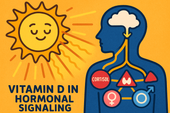
The Role of Vitamin D in Hormonal Signaling
Testosterone is more than a hormone — it’s a signal of strength, motivation, and vitality 💪. Learn how this key molecule shapes energy, mood, muscle growth, and focus in both men and women. Discover how nutrition, vitamin D, and minerals like zinc and magnesium support healthy testosterone signaling for balanced power and performance.
-
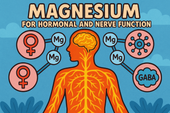
Magnesium for Hormonal and Nerve Function
Magnesium is the mineral that connects calm and vitality ⚡. It fuels nerve transmission, supports hormonal balance, and restores the body’s ability to relax under stress. Learn how magnesium strengthens communication between the nervous and endocrine systems, stabilizing cortisol, thyroid, and reproductive hormones for true equilibrium.
-

Zinc and Its Role in Hormonal Stability
Zinc is one of the body’s most powerful regulators ⚖️—a trace mineral that keeps hormones, metabolism, and energy in perfect rhythm. Learn how zinc supports testosterone, thyroid function, cortisol balance, and emotional stability while protecting against modern stress and deficiency. Discover why restoring zinc can help your body feel grounded, focused, and hormonally resilient.
-
GABA and L-Theanine for Instant Nervous System Relief
When stress hits, your nervous system needs relief — not more stimulation 🌿. Discover how GABA and L-theanine work together to calm the body, quiet racing thoughts, and restore inner balance. Learn the science behind these natural compounds that ease tension, support emotional stability, and bring instant peace without sedation.
-
B-Vitamins for Faster Nerve Communication
Vitamin B1, or thiamine, is your brain’s ignition key 🔑—turning food into cellular energy and powering rapid nerve signaling. Discover how this essential nutrient fuels neurotransmitter activity, supports focus and coordination, and prevents fatigue or mental fog. Learn why maintaining optimal thiamine levels keeps your nerves firing fast and your mind sharp.
-

Supplements That Help You Stay Alert Without Anxiety
L-theanine is nature’s secret for calm focus and balanced energy 🌿. Found in green tea, this gentle amino acid promotes relaxation, supports alpha brain waves, and helps you stay alert without stress or grogginess. Discover how L-theanine can enhance focus, improve sleep quality, and restore mental calm in a fast-paced world.
-
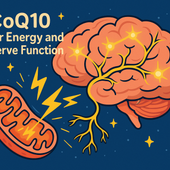
CoQ10 for Energy and Nerve Function
CoQ10 powers every cell in your body—from your heart to your brain ⚡. Learn how this essential compound fuels mitochondria, boosts nerve function, and protects your brain from oxidative stress. Discover how supplementing with CoQ10 can restore energy, sharpen focus, and support long-term neurological vitality.
-
Supplements That Support Nerve Signaling for Mental Energy
Your brain’s electrical network depends on magnesium—one of the most vital minerals for nerve signaling, calm focus, and steady mental energy ⚡. Learn how this essential nutrient powers neurotransmission, supports relaxation, and helps protect your nervous system from stress overload—so your mind feels balanced, alert, and resilient every day.
-
L-Theanine for Sleep Without Grogginess
L-theanine offers a natural path to better sleep—without the next-day fog. 🌙 Found in green tea, this gentle amino acid calms the mind, lowers stress hormones, and promotes deep relaxation without sedation. Learn how L-theanine balances your brainwaves, reduces nighttime anxiety, and helps you wake up refreshed, alert, and clear-minded.
-

Supplements to Support the Circadian Rhythm
Your body’s natural clock depends on more than just sunlight—it also relies on key nutrients to stay in sync. 🌞🌙 Discover the best supplements to support your circadian rhythm, from melatonin and magnesium for deep sleep to vitamin D and adaptogens for morning energy. Learn how to realign your internal clock for better rest, sharper focus, and stable mood every day.
-

Melatonin and Cortisol: The Night vs. Day Hormones
Melatonin and cortisol are your body’s night-and-day hormones—one helping you drift into deep sleep, the other powering your alertness each morning. 🌙☀️ Learn how these two forces work together to regulate your energy, mood, and recovery. Discover how modern stress, artificial light, and poor routines can throw them off balance—and how to naturally reset your rhythm for calm nights and focused days.
-

Supplements for Deeper Sleep and Nervous System Reset
Struggling to sleep even when you’re exhausted? 🌙 Discover how to reset your nervous system and achieve deeper, more restorative rest with the right blend of supplements, breathwork, and therapy. From magnesium and L-theanine to slow exhalations and somatic healing, this guide helps you rebuild your body’s natural rhythm of calm and recovery—so you can wake up truly renewed.
-
Rhodiola Rosea for Emotional Stability: Finding Balance Through Resilience
Stress is the body’s natural alarm system — useful in bursts, but draining when it never turns off. Learning to regulate it helps restore calm focus, emotional balance, and physical vitality. 🌿💫
-
Valerian Root for Reducing Overreaction: Calming the Mind’s Alarm System
GABA is the brain’s natural brake pedal — calming overstimulation and helping you think clearly under stress. When balanced, it brings a sense of inner peace, emotional control, and focus. 🌿🧠💫
-

Supporting Adrenal Health for a Steadier Mood
Cortisol is the body’s built-in stress alarm — essential in short bursts but harmful when constantly elevated. Learning to balance it naturally restores calm, focus, and emotional stability. 🌿⚖️
-

Cold Showers and Adaptogens for a Reset: Reclaiming Energy, Calm, and Control
Adaptogens help the body adapt to stress, restoring calm energy and balance. These ancient herbs strengthen resilience, regulate mood, and support focus — helping you stay grounded through life’s ups and downs. 🌿💫
-
L-Theanine + Caffeine: The Perfect Combo for Overcoming Mental Blocks
Neurotransmitters are the brain’s messengers — tiny molecules that shape how we think, feel, and focus. When they’re in balance, we experience calm energy, clear thinking, and emotional harmony. 🌿🧠✨
-
How Magnesium Supports Focus and Reduces Procrastination Fatigue
Magnesium is the quiet mineral behind mental clarity and steady focus. By calming the nervous system and restoring cellular energy, it helps transform fatigue and overthinking into calm, productive flow. 🌿⚡🧠
-

B Vitamins for Beating Procrastination and Boosting Energy
Procrastination isn’t just a mindset — it’s often a signal of low energy and nutrient depletion. B vitamins recharge the brain’s motivation circuits, boosting focus, clarity, and the drive to take action. 🌿⚡🧠
-
Zinc and Self-Confidence: Can It Reduce Feelings of Powerlessness?
Zinc isn’t just a mineral — it’s the foundation of emotional strength. By balancing neurotransmitters and calming the nervous system, it helps you feel more centered, assertive, and confident from the inside out. 🌿💪
-
How Vitamin D Deficiency Impacts Emotional Resilience in Co-Dependent Patterns
Co-dependency is the emotional tug-of-war between connection and self-loss — a pattern born from giving too much and receiving too little. Learning to untangle this dynamic allows for real love rooted in balance, not fear. 🌿💛
-
B Vitamins for Mood Stability and Self-Worth in Co-Dependency
Vitamin B1, or thiamine, powers both the body and the brain — fueling focus, energy, and emotional clarity. Supporting your nervous system with this essential nutrient helps restore calm and mental resilience. 🌿⚡🧠
-
Chamomile and Valerian Root: Gentle Natural Options for Anxiety in Parkinson’s
Anxiety often feels like a storm inside the mind — racing thoughts, tightness, and unease that make it hard to focus or rest. But learning to understand and calm that inner storm opens the door to peace and emotional balance. 🌿🧠
-
Melatonin and Parkinson’s: Natural Sleep Support Without Dependence
Melatonin is the body’s natural sleep hormone — guiding your mind into rest and your body into recovery. Supporting its natural rhythm can improve sleep quality, mood, and overall health without dependence. 🌙🧠
-
Choline and Brain Health in ADHD: What You Should Know
Inflammation can quietly affect both the body and mind, disrupting focus, mood, and energy. Understanding how it works — and how to calm it — is key to restoring balance, clarity, and long-term health. 🌿🧠
-
Creating a Calming Nighttime Routine with Supplements for OCD
Sleep is the brain’s nightly repair ritual — a time when emotional chaos settles and clarity returns. Prioritizing deep rest restores focus, calm, and resilience, helping both the body and mind recover naturally. 🌙🧠
-
How to Safely Combine OCD Medications with Natural Supplements
Supplements bridge the gap between nutrition and mental wellness — supporting focus, calm, and energy from within. The right combination of nutrients can help balance mood, sharpen the mind, and restore long-term resilience. 🌿🧠
-
Building a Supplement Routine for OCD Symptom Relief
OCD can feel like being trapped in your own thoughts — a battle between control and chaos. Understanding the science behind these cycles is the first step toward breaking free and finding calm within the mind. 🌿🧠
-
Curcumin and Brain Inflammation in OCD: Can It Help?
Inflammation doesn’t just affect the body — it can silently influence the brain, fueling anxiety, fatigue, and mental fog. By understanding how inflammation works, we can learn how to calm the nervous system and restore inner balance. 🌿🧠
-
Probiotics and the Gut-Brain Connection in OCD
Serotonin, often called the “feel-good” chemical, shapes our mood, focus, and emotional balance. By keeping this neurotransmitter in harmony, we support calm thinking, better sleep, and greater mental resilience. 🌿🧠
-

B Vitamins and OCD: Supporting Energy and Neurotransmitter Balance
OCD isn’t just about habits — it’s about the brain’s struggle to find control in chaos. Understanding the neurological roots behind intrusive thoughts can help replace fear with clarity and guide healing toward calm awareness. 🌿🧠
-
Zinc and OCD: The Mineral’s Role in Mental Health
Zinc is more than a trace mineral — it’s a key regulator of mood, memory, and emotional balance. By stabilizing neurotransmitters like serotonin and glutamate, zinc helps calm obsessive thought patterns and supports overall mental clarity. 🌿🧠
-
N-Acetylcysteine (NAC) and OCD: Promising Research Findings
Antioxidants act as the body’s natural defense system, neutralizing free radicals that damage brain cells and worsen anxiety or fatigue. Supporting antioxidant balance with nutrition and supplements helps protect focus, memory, and emotional stability. 🌿🧠
-
Memory Stacks: Combining Supplements for Best Results
Memory weaves the story of who we are — connecting past, present, and future through every experience we store and recall. Strengthening memory means nurturing the brain’s energy, balance, and emotional calm so learning becomes effortless. 🌿🧠
-
How Sleep Supplements Improve Memory Consolidation
Stress can cloud thinking, disrupt sleep, and weaken memory — but understanding its effects on the brain is the first step toward calm. By learning to regulate the nervous system, we can protect focus, energy, and emotional balance. 🌿🧠
-
L-Theanine and Focused Memory Processing
Science is the art of curiosity and precision — a quest to understand the unseen patterns that shape life. From molecules to galaxies, every discovery begins with observation, imagination, and the courage to ask “why.” 🔬💡
-
Rhodiola Rosea and Memory Under Stress
Stress clouds memory, slows thinking, and drains energy — but the good news is, the brain can recover. By understanding how stress affects focus and emotion, we can learn to regulate it, restore clarity, and protect long-term cognitive health. 🌿🧠
-

Ashwagandha for Stress-Related Memory Issues
Adaptogens are nature’s answer to modern stress. These powerful herbs — like Ashwagandha, Rhodiola, and Holy Basil — help balance cortisol, support calm focus, and strengthen the body’s resilience, bringing the mind back to harmony. 🌿🧘♀️


