
Can CoQ10 Help Fight Fatigue in Chronic Fatigue Syndrome?
Introduction
Chronic Fatigue Syndrome (CFS), also called Myalgic Encephalomyelitis (ME), is a condition defined by exhaustion that doesn’t ease with rest — an unrelenting weariness that seeps into every aspect of life. The simplest activities — reading, cooking, or showering — can leave someone drained for hours or days. Unlike ordinary tiredness, CFS fatigue feels cellular. It’s as if every system of the body has lost its spark.
In recent years, scientists have begun to ask: what if that spark isn’t just a metaphor? What if the cells of people with chronic fatigue truly are struggling to make energy?
That question has drawn attention to a small but powerful molecule called Coenzyme Q10 (CoQ10) — a nutrient essential for mitochondrial energy production and cellular protection. Early research suggests that boosting CoQ10 levels might help restore part of that lost vitality.
This article dives into how CoQ10 works, what studies show about its role in CFS, and how supporting the body’s bioenergetic machinery might finally help lift the fog of exhaustion. 🌿
Looking for supplements for This? Click here.
⚙️ Understanding Chronic Fatigue Syndrome
Chronic Fatigue Syndrome is more than just feeling tired. It’s a multi-system disorder involving the nervous, immune, and metabolic systems, characterized by overwhelming fatigue, post-exertional malaise (worsening symptoms after activity), unrefreshing sleep, brain fog, muscle pain, and sometimes orthostatic intolerance — dizziness or heart rate spikes when standing.
The exact cause remains unknown, but researchers have identified consistent biological abnormalities:
Mitochondrial dysfunction, reducing energy production.
Oxidative stress, damaging cells and enzymes.
Chronic inflammation and immune activation.
Autonomic nervous system imbalance, keeping the body in “fight-or-flight” mode.
These findings suggest that CFS is not merely psychological — it’s a physiological energy crisis. And because CoQ10 is central to energy metabolism and antioxidant defense, it sits right at the crossroads of these dysfunctions. ⚡
🌿 What Is CoQ10?
Coenzyme Q10, also called ubiquinone (or its active form, ubiquinol), is a vitamin-like compound naturally produced in every human cell. The “Q10” refers to its chemical tail — ten isoprene units — and “coenzyme” means it helps enzymes do their work.
Its two primary roles are:
Energy Production: CoQ10 sits inside mitochondria — the cell’s “power plants.” There, it shuttles electrons along the respiratory chain, enabling the production of ATP, the body’s main energy currency.
Antioxidant Defense: CoQ10 neutralizes free radicals generated during energy production, protecting mitochondria, lipids, and DNA from oxidative damage.
Without enough CoQ10, cells can’t efficiently convert nutrients into energy. Muscles weaken, the brain fogs, and fatigue becomes systemic.
In fact, tissues with the highest energy demands — heart, brain, and skeletal muscles — have the highest CoQ10 concentrations. When levels fall, these systems suffer most. 🌿
🧬 CoQ10 and the Mitochondria
To grasp why CoQ10 matters in CFS, it helps to visualize the mitochondria. Each cell contains hundreds to thousands of these microscopic energy stations. Inside them, nutrients from food are converted into ATP through a process called oxidative phosphorylation.
CoQ10 functions like an electron courier in this process, moving charged particles from Complex I and II to Complex III of the electron transport chain. Without it, the system jams — similar to how a broken wire interrupts an electrical circuit.
When CoQ10 is deficient or oxidized, electrons leak prematurely, forming reactive oxygen species (ROS) that damage mitochondria further. This self-perpetuating loop of low energy and oxidative stress is strikingly similar to what’s seen in chronic fatigue patients.
By replenishing CoQ10, the hope is to restore the mitochondria’s efficiency, allowing the body to produce ATP more effectively and reduce oxidative strain. ⚙️
💫 Evidence of CoQ10 Deficiency in CFS
Multiple studies have reported lower CoQ10 concentrations in the blood and tissues of people with chronic fatigue compared to healthy controls.
In one 2009 study by Maes and colleagues, plasma CoQ10 levels in CFS patients were found to be 44% lower than in healthy subjects. Lower levels were strongly correlated with fatigue severity, impaired concentration, and sleep disturbances.
Another investigation found that decreased CoQ10 was associated with mitochondrial dysfunction and immune activation, suggesting the deficiency wasn’t random — it was part of the disease mechanism.
Some researchers believe that chronic oxidative stress consumes CoQ10 faster than the body can replenish it, gradually depleting reserves. This depletion then feeds back into the fatigue cycle, since low CoQ10 means fewer antioxidants and weaker energy production.
It’s a vicious spiral — and one that targeted supplementation might help interrupt. 🌿
⚡ CoQ10 and Energy Metabolism in CFS
If mitochondrial function is impaired in CFS, increasing CoQ10 availability might help jump-start ATP production.
Small clinical studies have indeed shown promising results:
A 2014 double-blind trial led by Cordero et al. found that 200 mg of CoQ10 daily for three months significantly improved fatigue scores and biochemical markers of oxidative stress in CFS patients. Participants reported more stable energy and fewer post-exertional crashes.
In 2016, a combination of CoQ10 and NADH (another mitochondrial cofactor) further improved fatigue, sleep, and autonomic balance. The duo appeared to reduce lactate buildup — a marker of inefficient metabolism — suggesting that cells were burning fuel more cleanly.
These findings point toward a bioenergetic restoration effect: by fueling mitochondria and protecting them from free radicals, CoQ10 helps cells reclaim some of their lost vitality. ⚙️
🌿 The Antioxidant Connection

Oxidative stress is a hallmark of CFS — an overproduction of free radicals coupled with inadequate antioxidant defenses. This oxidative pressure damages membranes, enzymes, and DNA, worsening fatigue and inflammation.
CoQ10 is unique because it’s both an energy cofactor and an antioxidant. It exists in two forms — oxidized (ubiquinone) and reduced (ubiquinol) — that continuously cycle as it donates and accepts electrons.
This cycling not only supports energy flow but also recycles other antioxidants like vitamin E and vitamin C, amplifying their protective effects.
By buffering oxidative stress, CoQ10 may reduce neuroinflammation — potentially easing “brain fog,” one of CFS’s most debilitating symptoms. Patients often describe this as regaining mental clarity, not just energy. 🌿
💫 CoQ10 and the Cardiovascular Connection
CFS often involves autonomic dysfunction, where heart rate and blood pressure fail to adjust properly to changes in posture. Many experience dizziness, palpitations, or faintness — a pattern resembling mild orthostatic intolerance or POTS (postural orthostatic tachycardia syndrome).
The heart is one of the most energy-hungry organs in the body, and CoQ10 is essential for its function. In heart failure research, CoQ10 supplementation has repeatedly been shown to improve cardiac efficiency and oxygen utilization.
For CFS patients whose fatigue is compounded by circulatory issues, restoring mitochondrial energy in heart muscle cells may improve blood flow, oxygen delivery, and stamina.
While not a cure, this support can make the difference between collapsing after a short walk and being able to move with less fear of relapse. 💚
🌾 Neuroprotection and Mental Energy
Cognitive fatigue — the inability to think, plan, or concentrate — is one of the most frustrating symptoms of CFS. It’s not “in your head”; it’s in your neurons.
The brain consumes enormous amounts of energy — nearly 20% of the body’s total ATP. When mitochondrial output falls, brain function slows dramatically.
CoQ10 not only energizes neurons but also protects them from inflammation and oxidative damage. In neurological studies, CoQ10 supplementation has improved mental clarity and reduced fatigue in conditions ranging from Parkinson’s disease to multiple sclerosis.
Though direct trials in CFS-related cognitive dysfunction are limited, anecdotal reports suggest better focus and mood stability with sustained use. 🌙
⚙️ CoQ10 and the Immune System
Many researchers now consider Chronic Fatigue Syndrome partly an immune-mediated condition. Viral infections often precede its onset, and patients show persistent immune activation — elevated cytokines and altered T-cell function.
CoQ10 supports immune resilience by stabilizing mitochondrial membranes within immune cells. Adequate mitochondrial energy allows immune defenses to operate efficiently without triggering excess inflammation.
By restoring this balance, CoQ10 might help reduce the chronic low-grade immune response that keeps the body in a constant state of alert — a biochemical tension that drains energy. 🌿
Looking for supplements for This? Click here.
🌾 CoQ10, NADH, and Synergy
NADH (nicotinamide adenine dinucleotide, reduced form) is another mitochondrial cofactor involved in ATP production. It transfers electrons to the same respiratory chain that CoQ10 participates in.
When combined, CoQ10 and NADH may amplify mitochondrial throughput, like repairing both the fuel line and the spark plug in an engine at once.
Clinical trials have found that this combination improves fatigue scores more effectively than either alone, particularly in people with long-term energy depletion.
Together, they form what researchers call a bioenergetic duo — restoring the body’s ability to generate sustainable energy without overstimulation. ⚡
💚 Choosing the Right Form of CoQ10
CoQ10 supplements come in two main forms:
Ubiquinone – the oxidized form, stable and widely studied.
Ubiquinol – the reduced, more bioavailable form, which the body can use directly.
Both are effective, but ubiquinol is often better absorbed, especially in older adults or those with absorption issues.
Typical clinical doses for fatigue range between 100 and 300 mg per day, ideally divided with meals containing healthy fats for improved uptake.
CoQ10 is fat-soluble, so consistency and timing matter more than the exact brand. Effects may take several weeks to become noticeable, as cells gradually replenish their stores.
Importantly, CoQ10 is extremely safe — with few side effects other than mild digestive discomfort in rare cases. 🌿
🌙 Complementary Lifestyle Factors
CoQ10 works best when paired with habits that support mitochondrial health.
Adequate sleep, gentle movement, nutrient-dense meals, and stress management all help mitochondria recover. Conversely, excessive caffeine, alcohol, and sleep deprivation increase oxidative stress, undoing much of the benefit.
Incorporating magnesium, B-complex vitamins, and omega-3 fatty acids can further enhance energy metabolism, as these nutrients serve as cofactors in the same biochemical pathways as CoQ10.
Healing chronic fatigue is never about a single molecule — it’s about rebuilding the ecosystem of cellular energy. 🌾
⚡ Patient Experiences and Real-World Impact
People who supplement CoQ10 for CFS often describe a gradual improvement rather than a sudden burst of energy. The change feels subtle at first — slightly more stamina, less afternoon collapse, fewer “crash” days.
Over time, that subtlety adds up. Daily tasks become possible again. The mental fog lifts slightly. The feeling of life returning — even in small moments — is profound.
While not everyone responds the same, these anecdotal shifts align with CoQ10’s biological role. It doesn’t stimulate; it stabilizes. It doesn’t force the body to push harder — it helps it function more efficiently, quietly, from the inside out. 🌙
🌿 The Limitations of Current Research
Although results are promising, CoQ10 is not a miracle cure. Most studies are small, and sample sizes are limited. Chronic Fatigue Syndrome is a heterogeneous condition — meaning that what helps one subgroup may not help another.
Still, given its safety profile and central role in cellular energy, many clinicians include CoQ10 as part of a broader integrative approach — alongside pacing, gentle movement, diet, and sleep hygiene.
Larger randomized trials are ongoing, exploring whether long-term CoQ10 use can shift deeper biological markers of fatigue and inflammation. 💫
💫 Re-Energizing Hope
For people with Chronic Fatigue Syndrome, the smallest gains matter. A few extra hours of clarity, the ability to walk without collapsing, the return of mental brightness — these moments represent real victories.
CoQ10 cannot erase CFS, but it offers something equally valuable: a pathway toward repair. By nourishing the mitochondria and easing oxidative stress, it gives the body permission to generate life force again.
It’s a reminder that energy is not just a metaphor for vitality — it’s chemistry, and chemistry can be restored. ⚡
🌿 Conclusion: From Cellular Weakness to Cellular Strength
Chronic Fatigue Syndrome teaches us that fatigue is not laziness, weakness, or failure. It’s biology crying out for balance.
CoQ10 stands as one of the most elegant examples of how cellular nutrition can bridge the gap between exhaustion and healing. It recharges the body’s power plants, protects against free radicals, and gently rebuilds resilience where depletion once ruled.
While it’s not a cure-all, it’s a symbol of possibility — that beneath the fatigue, the body’s wisdom endures. And given the right molecules, the right rest, and the right care, that spark can reignite. 🌿💫
Looking for online therapy ? Click Here.
📚 References
Maes, M., et al. (2009). Coenzyme Q10 deficiency in myalgic encephalomyelitis/chronic fatigue syndrome (ME/CFS) is related to fatigue, autonomic and neurocognitive symptoms. Neuro Endocrinology Letters, 30(4), 470–476.
Cordero, M. D., et al. (2014). CoQ10 therapy in chronic fatigue syndrome: A double-blind, placebo-controlled trial. Antioxidants & Redox Signaling, 20(16), 2493–2500.
Castro-Marrero, J., et al. (2016). Effect of coenzyme Q10 plus NADH supplementation on fatigue and biochemical parameters in chronic fatigue syndrome. Antioxidants & Redox Signaling, 24(7), 512–518.
Morris, G., & Maes, M. (2014). Mitochondrial dysfunctions in myalgic encephalomyelitis/chronic fatigue syndrome explained by activated oxidative and nitrosative stress pathways. Molecular Neurobiology, 50(3), 1127–1139.
Yamamoto, T., et al. (2018). The role of mitochondria in chronic fatigue syndrome and potential therapeutic approaches. Frontiers in Physiology, 9, 888.
González-Benítez, M., et al. (2020). CoQ10 and NADH supplementation in chronic fatigue syndrome: A review of clinical data. Nutrients, 12(7), 2117.
Filler, K., et al. (2014). Association between fatigue, mitochondrial dysfunction, and oxidative stress in chronic fatigue syndrome. Biochemical and Biophysical Research Communications, 455(1–2), 210–215.
Pabst, J. K., et al. (2018). CoQ10 supplementation in neurological and metabolic disorders: Mechanisms of action. Nutrients, 10(1), 44.
Castro-Marrero, J., et al. (2013). Oxidative stress and mitochondrial dysfunction in chronic fatigue syndrome: Current findings and future directions. Antioxidants & Redox Signaling, 19(12), 1410–1417.
Cordero, M. D., et al. (2017). The role of CoQ10 in mitochondrial health and chronic fatigue: Therapeutic insights. Journal of Clinical Medicine, 6(6), 57.
Related Posts
-

Supplements for Staying Present and Grounded
L-Theanine is nature’s calm focus enhancer 🍃. Derived from green tea, it promotes relaxation without drowsiness by balancing GABA, serotonin, and dopamine. Learn how this amino acid supports smooth focus, emotional balance, and mindful presence in daily life.
-

Supplements That Support Emotional Openness
Emotional openness starts in the body 🌿. When your nervous system feels safe, your heart can express freely. Learn how supplements like magnesium, Ashwagandha, and L-theanine support calm connection, balanced emotions, and the courage to stay authentically open.
-

Daily Supplement Routine for Consistent Confidence
Confidence is built through rhythm, not luck 🌿. A daily supplement routine can help your energy, mood, and focus stay balanced from morning to night. Learn how adaptogens, magnesium, and B vitamins work together to create steady calm and lasting self-assurance.
-

Supplement Timing Tips for Social Success
Social confidence has its own rhythm 🌿. When you time your supplements to match your body’s natural energy cycles, calm and focus align effortlessly. Learn how magnesium, L-theanine, and adaptogens can help you stay grounded, charismatic, and fully present at just the right moment.
-

Supplements for Confident Public Speaking
Public speaking confidence begins with biology 🎤🌿. When your nervous system is calm and your neurotransmitters are balanced, your voice, focus, and presence flow naturally. Learn how supplements like magnesium, GABA, and adaptogens can align your body’s chemistry with the calm clarity you need to speak authentically.
-

Travel-Friendly Supplements for On-the-Go Confidence
Magnesium is the ultimate travel mineral for calm and balance ✈️🌿. It relaxes the nervous system, eases stress from jet lag or fatigue, and supports muscle and mental recovery. Discover how this essential nutrient keeps you centered, focused, and energized wherever your journey takes you.
-

Supplements for Confident Video Calls
Magnesium is the mineral that brings calm to both body and mind 🌿. It supports relaxation, better sleep, and a stable mood by regulating cortisol and soothing the nervous system. Learn how magnesium supplements can restore balance, reduce anxiety, and help you feel centered under stress.
-

Ashwagandha for Calming the Stress Response
Ashwagandha helps your body remember how to relax 🌿. As one of the most trusted adaptogens, it calms the stress response by lowering cortisol, soothing the nervous system, and restoring natural energy balance. Learn how this ancient herb promotes deeper sleep, emotional steadiness, and resilience in today’s high-stress world.
-

How GABA Supplements Can Help You Feel Grounded
GABA is the brain’s natural calm signal 🌿. When life feels overwhelming, this neurotransmitter helps quiet mental noise, relax muscles, and restore emotional balance. Learn how GABA supplements can calm the nervous system, reduce anxiety, and help you feel grounded in your body again.
-
Rhodiola Rosea for Energy Without Overstimulation
Rhodiola rosea offers a rare kind of energy — one rooted in calm, not chaos 🌿. Known as the golden root, this adaptogen enhances endurance, focus, and mood by balancing cortisol and supporting the nervous system. Discover how Rhodiola restores natural vitality without the overstimulation of caffeine or stress-driven fatigue.
-

Holy Basil and Cortisol Control
Holy basil, or Tulsi, is one of nature’s most powerful adaptogens 🌿. Revered in Ayurvedic medicine for centuries, it helps balance cortisol, calm the mind, and protect the body from stress. Learn how holy basil restores hormonal harmony, supports energy, and promotes emotional resilience in a fast-paced world.
-
Supplements to Ease PMS-Related Anxiety
Hormones are the body’s messengers — guiding mood, energy, metabolism, and balance. 🌿 When these chemical signals flow in harmony, life feels stable and calm. Learn how nutrients, sleep, and stress management help keep hormonal communication clear, supporting emotional steadiness and overall vitality.
-
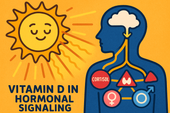
The Role of Vitamin D in Hormonal Signaling
Testosterone is more than a hormone — it’s a signal of strength, motivation, and vitality 💪. Learn how this key molecule shapes energy, mood, muscle growth, and focus in both men and women. Discover how nutrition, vitamin D, and minerals like zinc and magnesium support healthy testosterone signaling for balanced power and performance.
-
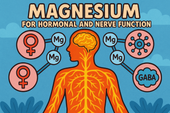
Magnesium for Hormonal and Nerve Function
Magnesium is the mineral that connects calm and vitality ⚡. It fuels nerve transmission, supports hormonal balance, and restores the body’s ability to relax under stress. Learn how magnesium strengthens communication between the nervous and endocrine systems, stabilizing cortisol, thyroid, and reproductive hormones for true equilibrium.
-

Zinc and Its Role in Hormonal Stability
Zinc is one of the body’s most powerful regulators ⚖️—a trace mineral that keeps hormones, metabolism, and energy in perfect rhythm. Learn how zinc supports testosterone, thyroid function, cortisol balance, and emotional stability while protecting against modern stress and deficiency. Discover why restoring zinc can help your body feel grounded, focused, and hormonally resilient.
-
GABA and L-Theanine for Instant Nervous System Relief
When stress hits, your nervous system needs relief — not more stimulation 🌿. Discover how GABA and L-theanine work together to calm the body, quiet racing thoughts, and restore inner balance. Learn the science behind these natural compounds that ease tension, support emotional stability, and bring instant peace without sedation.
-
B-Vitamins for Faster Nerve Communication
Vitamin B1, or thiamine, is your brain’s ignition key 🔑—turning food into cellular energy and powering rapid nerve signaling. Discover how this essential nutrient fuels neurotransmitter activity, supports focus and coordination, and prevents fatigue or mental fog. Learn why maintaining optimal thiamine levels keeps your nerves firing fast and your mind sharp.
-

Supplements That Help You Stay Alert Without Anxiety
L-theanine is nature’s secret for calm focus and balanced energy 🌿. Found in green tea, this gentle amino acid promotes relaxation, supports alpha brain waves, and helps you stay alert without stress or grogginess. Discover how L-theanine can enhance focus, improve sleep quality, and restore mental calm in a fast-paced world.
-
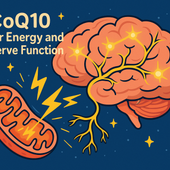
CoQ10 for Energy and Nerve Function
CoQ10 powers every cell in your body—from your heart to your brain ⚡. Learn how this essential compound fuels mitochondria, boosts nerve function, and protects your brain from oxidative stress. Discover how supplementing with CoQ10 can restore energy, sharpen focus, and support long-term neurological vitality.
-
Supplements That Support Nerve Signaling for Mental Energy
Your brain’s electrical network depends on magnesium—one of the most vital minerals for nerve signaling, calm focus, and steady mental energy ⚡. Learn how this essential nutrient powers neurotransmission, supports relaxation, and helps protect your nervous system from stress overload—so your mind feels balanced, alert, and resilient every day.
-
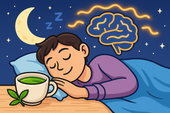
L-Theanine for Sleep Without Grogginess
L-theanine offers a natural path to better sleep—without the next-day fog. 🌙 Found in green tea, this gentle amino acid calms the mind, lowers stress hormones, and promotes deep relaxation without sedation. Learn how L-theanine balances your brainwaves, reduces nighttime anxiety, and helps you wake up refreshed, alert, and clear-minded.
-

Supplements to Support the Circadian Rhythm
Your body’s natural clock depends on more than just sunlight—it also relies on key nutrients to stay in sync. 🌞🌙 Discover the best supplements to support your circadian rhythm, from melatonin and magnesium for deep sleep to vitamin D and adaptogens for morning energy. Learn how to realign your internal clock for better rest, sharper focus, and stable mood every day.
-

Melatonin and Cortisol: The Night vs. Day Hormones
Melatonin and cortisol are your body’s night-and-day hormones—one helping you drift into deep sleep, the other powering your alertness each morning. 🌙☀️ Learn how these two forces work together to regulate your energy, mood, and recovery. Discover how modern stress, artificial light, and poor routines can throw them off balance—and how to naturally reset your rhythm for calm nights and focused days.
-

Supplements for Deeper Sleep and Nervous System Reset
Struggling to sleep even when you’re exhausted? 🌙 Discover how to reset your nervous system and achieve deeper, more restorative rest with the right blend of supplements, breathwork, and therapy. From magnesium and L-theanine to slow exhalations and somatic healing, this guide helps you rebuild your body’s natural rhythm of calm and recovery—so you can wake up truly renewed.
-

Rhodiola Rosea for Emotional Stability: Finding Balance Through Resilience
Stress is the body’s natural alarm system — useful in bursts, but draining when it never turns off. Learning to regulate it helps restore calm focus, emotional balance, and physical vitality. 🌿💫
-
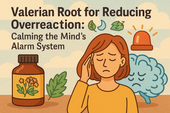
Valerian Root for Reducing Overreaction: Calming the Mind’s Alarm System
GABA is the brain’s natural brake pedal — calming overstimulation and helping you think clearly under stress. When balanced, it brings a sense of inner peace, emotional control, and focus. 🌿🧠💫
-

Supporting Adrenal Health for a Steadier Mood
Cortisol is the body’s built-in stress alarm — essential in short bursts but harmful when constantly elevated. Learning to balance it naturally restores calm, focus, and emotional stability. 🌿⚖️
-

Cold Showers and Adaptogens for a Reset: Reclaiming Energy, Calm, and Control
Adaptogens help the body adapt to stress, restoring calm energy and balance. These ancient herbs strengthen resilience, regulate mood, and support focus — helping you stay grounded through life’s ups and downs. 🌿💫
-
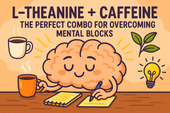
L-Theanine + Caffeine: The Perfect Combo for Overcoming Mental Blocks
Neurotransmitters are the brain’s messengers — tiny molecules that shape how we think, feel, and focus. When they’re in balance, we experience calm energy, clear thinking, and emotional harmony. 🌿🧠✨
-
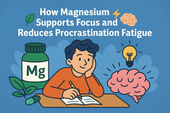
How Magnesium Supports Focus and Reduces Procrastination Fatigue
Magnesium is the quiet mineral behind mental clarity and steady focus. By calming the nervous system and restoring cellular energy, it helps transform fatigue and overthinking into calm, productive flow. 🌿⚡🧠
-

B Vitamins for Beating Procrastination and Boosting Energy
Procrastination isn’t just a mindset — it’s often a signal of low energy and nutrient depletion. B vitamins recharge the brain’s motivation circuits, boosting focus, clarity, and the drive to take action. 🌿⚡🧠
-
Zinc and Self-Confidence: Can It Reduce Feelings of Powerlessness?
Zinc isn’t just a mineral — it’s the foundation of emotional strength. By balancing neurotransmitters and calming the nervous system, it helps you feel more centered, assertive, and confident from the inside out. 🌿💪
-
How Vitamin D Deficiency Impacts Emotional Resilience in Co-Dependent Patterns
Co-dependency is the emotional tug-of-war between connection and self-loss — a pattern born from giving too much and receiving too little. Learning to untangle this dynamic allows for real love rooted in balance, not fear. 🌿💛
-
B Vitamins for Mood Stability and Self-Worth in Co-Dependency
Vitamin B1, or thiamine, powers both the body and the brain — fueling focus, energy, and emotional clarity. Supporting your nervous system with this essential nutrient helps restore calm and mental resilience. 🌿⚡🧠
-

Chamomile and Valerian Root: Gentle Natural Options for Anxiety in Parkinson’s
Anxiety often feels like a storm inside the mind — racing thoughts, tightness, and unease that make it hard to focus or rest. But learning to understand and calm that inner storm opens the door to peace and emotional balance. 🌿🧠
-
Melatonin and Parkinson’s: Natural Sleep Support Without Dependence
Melatonin is the body’s natural sleep hormone — guiding your mind into rest and your body into recovery. Supporting its natural rhythm can improve sleep quality, mood, and overall health without dependence. 🌙🧠
-
Choline and Brain Health in ADHD: What You Should Know
Inflammation can quietly affect both the body and mind, disrupting focus, mood, and energy. Understanding how it works — and how to calm it — is key to restoring balance, clarity, and long-term health. 🌿🧠
-
Creating a Calming Nighttime Routine with Supplements for OCD
Sleep is the brain’s nightly repair ritual — a time when emotional chaos settles and clarity returns. Prioritizing deep rest restores focus, calm, and resilience, helping both the body and mind recover naturally. 🌙🧠
-
How to Safely Combine OCD Medications with Natural Supplements
Supplements bridge the gap between nutrition and mental wellness — supporting focus, calm, and energy from within. The right combination of nutrients can help balance mood, sharpen the mind, and restore long-term resilience. 🌿🧠
-
Building a Supplement Routine for OCD Symptom Relief
OCD can feel like being trapped in your own thoughts — a battle between control and chaos. Understanding the science behind these cycles is the first step toward breaking free and finding calm within the mind. 🌿🧠
-
Curcumin and Brain Inflammation in OCD: Can It Help?
Inflammation doesn’t just affect the body — it can silently influence the brain, fueling anxiety, fatigue, and mental fog. By understanding how inflammation works, we can learn how to calm the nervous system and restore inner balance. 🌿🧠
-
Probiotics and the Gut-Brain Connection in OCD
Serotonin, often called the “feel-good” chemical, shapes our mood, focus, and emotional balance. By keeping this neurotransmitter in harmony, we support calm thinking, better sleep, and greater mental resilience. 🌿🧠
-

B Vitamins and OCD: Supporting Energy and Neurotransmitter Balance
OCD isn’t just about habits — it’s about the brain’s struggle to find control in chaos. Understanding the neurological roots behind intrusive thoughts can help replace fear with clarity and guide healing toward calm awareness. 🌿🧠
-
Zinc and OCD: The Mineral’s Role in Mental Health
Zinc is more than a trace mineral — it’s a key regulator of mood, memory, and emotional balance. By stabilizing neurotransmitters like serotonin and glutamate, zinc helps calm obsessive thought patterns and supports overall mental clarity. 🌿🧠
-
N-Acetylcysteine (NAC) and OCD: Promising Research Findings
Antioxidants act as the body’s natural defense system, neutralizing free radicals that damage brain cells and worsen anxiety or fatigue. Supporting antioxidant balance with nutrition and supplements helps protect focus, memory, and emotional stability. 🌿🧠
-
Memory Stacks: Combining Supplements for Best Results
Memory weaves the story of who we are — connecting past, present, and future through every experience we store and recall. Strengthening memory means nurturing the brain’s energy, balance, and emotional calm so learning becomes effortless. 🌿🧠
-
How Sleep Supplements Improve Memory Consolidation
Stress can cloud thinking, disrupt sleep, and weaken memory — but understanding its effects on the brain is the first step toward calm. By learning to regulate the nervous system, we can protect focus, energy, and emotional balance. 🌿🧠
-
L-Theanine and Focused Memory Processing
Science is the art of curiosity and precision — a quest to understand the unseen patterns that shape life. From molecules to galaxies, every discovery begins with observation, imagination, and the courage to ask “why.” 🔬💡
-
Rhodiola Rosea and Memory Under Stress
Stress clouds memory, slows thinking, and drains energy — but the good news is, the brain can recover. By understanding how stress affects focus and emotion, we can learn to regulate it, restore clarity, and protect long-term cognitive health. 🌿🧠
-

Ashwagandha for Stress-Related Memory Issues
Adaptogens are nature’s answer to modern stress. These powerful herbs — like Ashwagandha, Rhodiola, and Holy Basil — help balance cortisol, support calm focus, and strengthen the body’s resilience, bringing the mind back to harmony. 🌿🧘♀️


