Can 5-HTP Help Balance Serotonin Levels in OCD?
Introduction
Obsessive–Compulsive Disorder (OCD) is a condition where thoughts and rituals form a relentless loop. A person knows their fears or habits don’t make logical sense, yet the mind refuses to let go. It’s like being caught in a storm of intrusive thoughts — anxiety, checking, cleaning, counting, or repeating — that momentarily quiet only after performing a ritual.
For decades, researchers have searched for biological explanations for this cycle, and one neurotransmitter keeps emerging at the center: serotonin. The same chemical that helps regulate mood, sleep, and calmness seems to play a key role in the repetitive thought patterns and compulsions that define OCD.
Medications like SSRIs (selective serotonin reuptake inhibitors) remain the most common treatment because they raise serotonin levels in the brain. But what about natural precursors — nutrients that help the body produce serotonin naturally?
That’s where 5-HTP (5-Hydroxytryptophan) enters the picture. Derived from the amino acid tryptophan, 5-HTP is a natural compound that the body converts directly into serotonin. Could supplementing it help rebalance brain chemistry and ease OCD symptoms?
Let’s explore what science says, how serotonin works in OCD, and what role 5-HTP might play in supporting a calmer, more balanced mind. 🌙
Looking for supplements for This? Click here.
🧠 Understanding OCD and Serotonin
OCD is not simply a behavioral problem — it’s a neurobiological condition. Brain imaging studies show hyperactivity in the cortico-striato-thalamo-cortical (CSTC) circuit, a feedback loop connecting the frontal lobes (responsible for decision-making) with deeper structures like the basal ganglia and thalamus (responsible for habit formation and emotional processing).
When this loop becomes overactive, thoughts get “stuck.” The brain sends a false alarm — something feels wrong or unfinished — and rituals temporarily relieve the distress. However, each repetition strengthens the loop, reinforcing the anxiety-compulsion cycle.
Serotonin is deeply involved in regulating this circuit. It modulates communication between the orbitofrontal cortex (where intrusive thoughts arise) and the caudate nucleus (which helps shift attention). When serotonin signaling is low or inefficient, the brain’s “stop signal” weakens, making it harder to let go of repetitive thoughts or behaviors.
This explains why SSRIs — drugs that increase serotonin availability — help about half of people with OCD reduce symptom severity. It also hints that naturally restoring serotonin balance could benefit some individuals alongside therapy and lifestyle support. 🌿
🌾 What Is 5-HTP and How Does It Work?
5-HTP (5-hydroxytryptophan) is a compound the body produces from tryptophan, an amino acid found in foods like turkey, seeds, and bananas. Once formed, 5-HTP is converted into serotonin (5-hydroxytryptamine) with the help of the enzyme aromatic L-amino acid decarboxylase, along with cofactors such as vitamin B6 and magnesium.
Unlike serotonin itself — which cannot cross the blood–brain barrier — 5-HTP can. This means that when taken as a supplement, it enters the brain and can directly boost serotonin synthesis.
By increasing serotonin availability, 5-HTP may help regulate mood, reduce anxiety, improve sleep, and potentially calm obsessive thinking.
In essence, it works upstream, nourishing the body’s ability to make its own serotonin rather than blocking its reuptake like pharmaceuticals do. 🌙
🌿 Serotonin, Mood, and Obsessions
Serotonin influences how we perceive and respond to threats. When levels are balanced, the mind feels stable — we can observe a thought without being overwhelmed by it. But when serotonin dips, anxiety and rigidity rise.
Low serotonin reduces flexibility in neural circuits, making the brain more prone to fixation. This doesn’t necessarily mean OCD is “caused” by low serotonin, but that serotonin helps regulate the intensity of thought loops.
In OCD, intrusive thoughts trigger anxiety, which drives compulsions aimed at relieving that anxiety. This momentary relief reinforces the pattern — a classic case of negative reinforcement.
By supporting serotonin production, 5-HTP may increase the brain’s threshold for alarm signals, reducing the intensity of obsessive thoughts and the urge to perform compulsions. 🌾
🌙 What the Research Says
Research on 5-HTP and OCD is limited but intriguing. Early studies from the 1980s suggested that increasing serotonin precursors might help reduce obsessive symptoms. In some small trials, 5-HTP appeared to enhance the effects of SSRIs or tricyclic antidepressants.
One early study by Den Boer and Westenberg (1989) found that 5-HTP increased serotonin turnover in the central nervous system, improving mood and reducing anxiety symptoms in certain participants. While OCD-specific data were sparse, the biochemical rationale was strong.
More recently, research has focused on serotonin metabolism abnormalities in OCD, showing that some individuals have reduced tryptophan availability — meaning they may not produce enough 5-HTP or serotonin internally. In such cases, supplementing 5-HTP could theoretically help bridge that gap.
However, because OCD involves complex neurocircuits, serotonin is only part of the story. Dopamine, glutamate, and GABA also play key roles. This means 5-HTP may be helpful for mood stabilization and anxiety relief, but rarely as a standalone treatment for OCD.
Still, the concept remains compelling: by gently enhancing serotonin synthesis, we may reduce the “mental noise” that fuels obsessional cycles. 🌿
💫 The Stress–Serotonin Connection
Stress depletes serotonin faster than the body can replace it. Cortisol — the stress hormone — diverts tryptophan away from serotonin production and toward the kynurenine pathway, which generates neurotoxic byproducts instead.
This imbalance leaves the brain undernourished, making intrusive thoughts feel louder and anxiety more reactive. Many people with OCD report that stress worsens symptoms dramatically.
By replenishing the serotonin pathway through 5-HTP, the brain may regain its biochemical resilience. This doesn’t stop stress altogether but improves how the body and mind recover from it.
A calm nervous system processes intrusive thoughts differently — not as emergencies, but as passing events. 🌿
🧬 Sleep, Melatonin, and Serotonin Balance

OCD is often accompanied by insomnia or restless sleep. Nighttime rumination keeps the brain in overdrive, while daytime fatigue amplifies anxiety.
Serotonin is a precursor not only to calm mood but also to melatonin, the hormone that regulates circadian rhythm. When serotonin production falters, sleep quality suffers — and poor sleep, in turn, lowers serotonin further.
5-HTP supplementation can help restore this rhythm by supporting both serotonin and melatonin synthesis. Many people report deeper, more restorative sleep after several weeks of consistent use.
When the body rests properly, the emotional brain becomes less reactive, and the repetitive thought cycles of OCD often lose some of their momentum. 🌙
🌾 5-HTP in Combination with Therapy
Cognitive-behavioral therapy (CBT), especially Exposure and Response Prevention (ERP), remains the gold standard for OCD. It teaches the brain to tolerate uncertainty without performing rituals — essentially rewiring fear circuits through experience.
However, therapy requires emotional flexibility, focus, and stamina — all of which are harder to access when serotonin is depleted.
Supporting serotonin synthesis with 5-HTP can complement therapy by enhancing mood stability and reducing background anxiety, making it easier to engage fully in ERP sessions.
It’s not a replacement for therapy, but a potential biochemical ally that helps the mind do the psychological work. 🌿
Looking for supplements for This? Click here.
💫 The Role of Nutrient Synergy
For 5-HTP to be effective, certain nutrients must be present. Vitamin B6 acts as a cofactor for the enzyme that converts 5-HTP into serotonin. Magnesium supports this conversion and stabilizes the nervous system. Zinc and vitamin C further modulate serotonin metabolism.
Without these cofactors, 5-HTP can stall mid-pathway, leading to suboptimal results. This may explain why some people notice profound improvements while others feel little change.
Balanced nutrition — including leafy greens, seeds, lean proteins, and complex carbohydrates — provides the foundation for neurotransmitter balance. Supplements like magnesium glycinate and a B-complex can further support serotonin’s natural rhythm. 🌾
🌿 Potential Benefits and What to Expect
When 5-HTP begins to restore serotonin, the first noticeable changes are often calmness, improved sleep, and reduced anxiety reactivity. Over time, intrusive thoughts may feel less charged, and compulsions less urgent.
This isn’t sedation — it’s balance. The world doesn’t go quiet; it simply stops shouting.
The key is consistency. Because 5-HTP works by nourishing serotonin synthesis rather than altering receptor function overnight, results typically build over several weeks.
The improvements are subtle but meaningful — a few more moments of mental stillness, a lighter emotional load, a sense that your thoughts no longer drive you quite as hard. 🌙
💫 Safety and Precautions
Although 5-HTP is natural, it’s still potent. Combining it with SSRIs, SNRIs, or MAO inhibitors can lead to serotonin syndrome, a potentially dangerous excess of serotonin.
Anyone taking psychiatric medication should not use 5-HTP without medical supervision. Likewise, people with bipolar disorder should approach cautiously, as increasing serotonin can occasionally trigger hypomania.
Otherwise, 5-HTP is generally well tolerated. The most common mild side effects include nausea or digestive upset, which usually resolve when starting with a lower dose and taking it with food.
Starting gently and listening to your body remains the wisest approach. 🌿
🌙 The Deeper Meaning of Serotonin Balance
Serotonin isn’t just a “happiness chemical.” It’s the molecule of stability and acceptance — the calm that allows us to experience life without being hijacked by every thought or emotion.
In OCD, where fear and uncertainty dominate, restoring serotonin doesn’t erase sensitivity. Instead, it helps reframe it — allowing you to feel the thought without believing its urgency.
Balanced serotonin acts like a psychological cushion: it softens the edges of distress, giving space for reason and compassion to coexist with fear.
In that sense, 5-HTP doesn’t just work biochemically. It supports the emotional conditions for healing — a calmer inner environment where therapy, mindfulness, and courage can take root. 🌿
💚 Mind–Body Integration
OCD recovery is a journey of both neurochemistry and awareness. Medications, supplements, therapy, and mindfulness each target a different layer of the system — but together, they form a complete picture.
5-HTP fits into this holistic framework beautifully. It doesn’t override the brain’s natural systems but rather restores the foundation upon which those systems can heal.
When combined with deep breathing, sleep hygiene, and mindful exposure, its effects often amplify — because neurotransmitters thrive in calm bodies. The body and brain aren’t separate in healing; they’re partners. 🌙
🌿 Where Research Is Headed
While large-scale OCD-specific trials are still limited, emerging studies on serotonin precursors suggest a growing interest in integrative models of treatment.
Future research may examine personalized responses — who benefits most from serotonin precursors, and how they interact with genetic variations in serotonin transporters.
For now, clinical evidence supports 5-HTP as a promising adjunct for anxiety, depression, and sleep — all common components of OCD. And when these symptoms improve, obsessions and compulsions often become more manageable. 🌾
💫 From Compulsion to Calm
OCD is not a sign of weakness or brokenness — it’s the mind’s way of overprotecting itself. Serotonin plays a role in regulating that protection instinct, teaching the brain when it’s safe to release control.
5-HTP offers a biochemical path toward that release — not by numbing emotion, but by restoring fluidity where rigidity once ruled.
Healing OCD requires courage, patience, and often professional guidance. But understanding and supporting serotonin’s role gives people another avenue to regain balance — to remember that peace isn’t about having no thoughts, but about being able to let them pass. 🌿💫
Looking for online therapy ? Click Here.
📚 References
Den Boer, J. A., & Westenberg, H. G. M. (1989). Behavioral, neuroendocrine, and biochemical effects of 5-hydroxytryptophan administration in humans. Psychopharmacology (Berlin), 99(1), 8–12.
Hollander, E., et al. (1992). Serotonin function in obsessive-compulsive disorder. Archives of General Psychiatry, 49(1), 21–28.
Marazziti, D., et al. (2008). Neurobiology of OCD: The role of serotonin and beyond. CNS Spectrums, 13(6), 49–57.
Yamamoto, S., et al. (2014). Serotonin synthesis and degradation pathways in psychiatric disorders. Neurochemistry International, 73, 83–89.
Modabbernia, A., et al. (2018). Nutritional psychiatry: Serotonin precursors and mood disorders. Frontiers in Psychiatry, 9, 431.
Stahl, S. M. (2013). Stahl’s Essential Psychopharmacology: Neuroscientific Basis and Practical Applications. Cambridge University Press.
Dell’Osso, B., et al. (2010). Pharmacotherapy of obsessive–compulsive disorder. Expert Opinion on Pharmacotherapy, 11(3), 331–343.
Turner, E. H., et al. (2006). Tryptophan and serotonin: Nutritional regulation of mood and cognition. Nutritional Neuroscience, 9(5–6), 219–235.
Kishi, T., et al. (2020). The role of serotonin metabolism in obsessive–compulsive disorder. Psychiatry and Clinical Neurosciences, 74(2), 87–95.
Panossian, A., & Wikman, G. (2010). Adaptogens and neurochemical balance under stress. Pharmaceuticals, 3(1), 188–224.
Related Posts
-

Supplements for Staying Present and Grounded
L-Theanine is nature’s calm focus enhancer 🍃. Derived from green tea, it promotes relaxation without drowsiness by balancing GABA, serotonin, and dopamine. Learn how this amino acid supports smooth focus, emotional balance, and mindful presence in daily life.
-
Supplements That Support Emotional Openness
Emotional openness starts in the body 🌿. When your nervous system feels safe, your heart can express freely. Learn how supplements like magnesium, Ashwagandha, and L-theanine support calm connection, balanced emotions, and the courage to stay authentically open.
-
Daily Supplement Routine for Consistent Confidence
Confidence is built through rhythm, not luck 🌿. A daily supplement routine can help your energy, mood, and focus stay balanced from morning to night. Learn how adaptogens, magnesium, and B vitamins work together to create steady calm and lasting self-assurance.
-
Supplement Timing Tips for Social Success
Social confidence has its own rhythm 🌿. When you time your supplements to match your body’s natural energy cycles, calm and focus align effortlessly. Learn how magnesium, L-theanine, and adaptogens can help you stay grounded, charismatic, and fully present at just the right moment.
-
Supplements for Confident Public Speaking
Public speaking confidence begins with biology 🎤🌿. When your nervous system is calm and your neurotransmitters are balanced, your voice, focus, and presence flow naturally. Learn how supplements like magnesium, GABA, and adaptogens can align your body’s chemistry with the calm clarity you need to speak authentically.
-

Travel-Friendly Supplements for On-the-Go Confidence
Magnesium is the ultimate travel mineral for calm and balance ✈️🌿. It relaxes the nervous system, eases stress from jet lag or fatigue, and supports muscle and mental recovery. Discover how this essential nutrient keeps you centered, focused, and energized wherever your journey takes you.
-

Supplements for Confident Video Calls
Magnesium is the mineral that brings calm to both body and mind 🌿. It supports relaxation, better sleep, and a stable mood by regulating cortisol and soothing the nervous system. Learn how magnesium supplements can restore balance, reduce anxiety, and help you feel centered under stress.
-

Ashwagandha for Calming the Stress Response
Ashwagandha helps your body remember how to relax 🌿. As one of the most trusted adaptogens, it calms the stress response by lowering cortisol, soothing the nervous system, and restoring natural energy balance. Learn how this ancient herb promotes deeper sleep, emotional steadiness, and resilience in today’s high-stress world.
-

How GABA Supplements Can Help You Feel Grounded
GABA is the brain’s natural calm signal 🌿. When life feels overwhelming, this neurotransmitter helps quiet mental noise, relax muscles, and restore emotional balance. Learn how GABA supplements can calm the nervous system, reduce anxiety, and help you feel grounded in your body again.
-
Rhodiola Rosea for Energy Without Overstimulation
Rhodiola rosea offers a rare kind of energy — one rooted in calm, not chaos 🌿. Known as the golden root, this adaptogen enhances endurance, focus, and mood by balancing cortisol and supporting the nervous system. Discover how Rhodiola restores natural vitality without the overstimulation of caffeine or stress-driven fatigue.
-
Holy Basil and Cortisol Control
Holy basil, or Tulsi, is one of nature’s most powerful adaptogens 🌿. Revered in Ayurvedic medicine for centuries, it helps balance cortisol, calm the mind, and protect the body from stress. Learn how holy basil restores hormonal harmony, supports energy, and promotes emotional resilience in a fast-paced world.
-
Supplements to Ease PMS-Related Anxiety
Hormones are the body’s messengers — guiding mood, energy, metabolism, and balance. 🌿 When these chemical signals flow in harmony, life feels stable and calm. Learn how nutrients, sleep, and stress management help keep hormonal communication clear, supporting emotional steadiness and overall vitality.
-
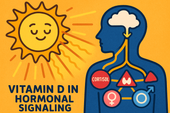
The Role of Vitamin D in Hormonal Signaling
Testosterone is more than a hormone — it’s a signal of strength, motivation, and vitality 💪. Learn how this key molecule shapes energy, mood, muscle growth, and focus in both men and women. Discover how nutrition, vitamin D, and minerals like zinc and magnesium support healthy testosterone signaling for balanced power and performance.
-
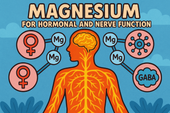
Magnesium for Hormonal and Nerve Function
Magnesium is the mineral that connects calm and vitality ⚡. It fuels nerve transmission, supports hormonal balance, and restores the body’s ability to relax under stress. Learn how magnesium strengthens communication between the nervous and endocrine systems, stabilizing cortisol, thyroid, and reproductive hormones for true equilibrium.
-

Zinc and Its Role in Hormonal Stability
Zinc is one of the body’s most powerful regulators ⚖️—a trace mineral that keeps hormones, metabolism, and energy in perfect rhythm. Learn how zinc supports testosterone, thyroid function, cortisol balance, and emotional stability while protecting against modern stress and deficiency. Discover why restoring zinc can help your body feel grounded, focused, and hormonally resilient.
-
GABA and L-Theanine for Instant Nervous System Relief
When stress hits, your nervous system needs relief — not more stimulation 🌿. Discover how GABA and L-theanine work together to calm the body, quiet racing thoughts, and restore inner balance. Learn the science behind these natural compounds that ease tension, support emotional stability, and bring instant peace without sedation.
-
B-Vitamins for Faster Nerve Communication
Vitamin B1, or thiamine, is your brain’s ignition key 🔑—turning food into cellular energy and powering rapid nerve signaling. Discover how this essential nutrient fuels neurotransmitter activity, supports focus and coordination, and prevents fatigue or mental fog. Learn why maintaining optimal thiamine levels keeps your nerves firing fast and your mind sharp.
-

Supplements That Help You Stay Alert Without Anxiety
L-theanine is nature’s secret for calm focus and balanced energy 🌿. Found in green tea, this gentle amino acid promotes relaxation, supports alpha brain waves, and helps you stay alert without stress or grogginess. Discover how L-theanine can enhance focus, improve sleep quality, and restore mental calm in a fast-paced world.
-
CoQ10 for Energy and Nerve Function
CoQ10 powers every cell in your body—from your heart to your brain ⚡. Learn how this essential compound fuels mitochondria, boosts nerve function, and protects your brain from oxidative stress. Discover how supplementing with CoQ10 can restore energy, sharpen focus, and support long-term neurological vitality.
-
Supplements That Support Nerve Signaling for Mental Energy
Your brain’s electrical network depends on magnesium—one of the most vital minerals for nerve signaling, calm focus, and steady mental energy ⚡. Learn how this essential nutrient powers neurotransmission, supports relaxation, and helps protect your nervous system from stress overload—so your mind feels balanced, alert, and resilient every day.
-
L-Theanine for Sleep Without Grogginess
L-theanine offers a natural path to better sleep—without the next-day fog. 🌙 Found in green tea, this gentle amino acid calms the mind, lowers stress hormones, and promotes deep relaxation without sedation. Learn how L-theanine balances your brainwaves, reduces nighttime anxiety, and helps you wake up refreshed, alert, and clear-minded.
-
Supplements to Support the Circadian Rhythm
Your body’s natural clock depends on more than just sunlight—it also relies on key nutrients to stay in sync. 🌞🌙 Discover the best supplements to support your circadian rhythm, from melatonin and magnesium for deep sleep to vitamin D and adaptogens for morning energy. Learn how to realign your internal clock for better rest, sharper focus, and stable mood every day.
-
Melatonin and Cortisol: The Night vs. Day Hormones
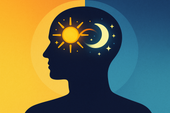
Melatonin and cortisol are your body’s night-and-day hormones—one helping you drift into deep sleep, the other powering your alertness each morning. 🌙☀️ Learn how these two forces work together to regulate your energy, mood, and recovery. Discover how modern stress, artificial light, and poor routines can throw them off balance—and how to naturally reset your rhythm for calm nights and focused days.
-
Supplements for Deeper Sleep and Nervous System Reset
Struggling to sleep even when you’re exhausted? 🌙 Discover how to reset your nervous system and achieve deeper, more restorative rest with the right blend of supplements, breathwork, and therapy. From magnesium and L-theanine to slow exhalations and somatic healing, this guide helps you rebuild your body’s natural rhythm of calm and recovery—so you can wake up truly renewed.
-
Rhodiola Rosea for Emotional Stability: Finding Balance Through Resilience
Stress is the body’s natural alarm system — useful in bursts, but draining when it never turns off. Learning to regulate it helps restore calm focus, emotional balance, and physical vitality. 🌿💫
-
Valerian Root for Reducing Overreaction: Calming the Mind’s Alarm System
GABA is the brain’s natural brake pedal — calming overstimulation and helping you think clearly under stress. When balanced, it brings a sense of inner peace, emotional control, and focus. 🌿🧠💫
-

Supporting Adrenal Health for a Steadier Mood
Cortisol is the body’s built-in stress alarm — essential in short bursts but harmful when constantly elevated. Learning to balance it naturally restores calm, focus, and emotional stability. 🌿⚖️
-
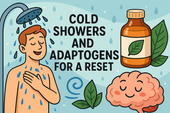
Cold Showers and Adaptogens for a Reset: Reclaiming Energy, Calm, and Control
Adaptogens help the body adapt to stress, restoring calm energy and balance. These ancient herbs strengthen resilience, regulate mood, and support focus — helping you stay grounded through life’s ups and downs. 🌿💫
-
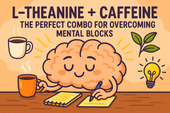
L-Theanine + Caffeine: The Perfect Combo for Overcoming Mental Blocks
Neurotransmitters are the brain’s messengers — tiny molecules that shape how we think, feel, and focus. When they’re in balance, we experience calm energy, clear thinking, and emotional harmony. 🌿🧠✨
-
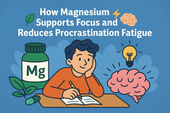
How Magnesium Supports Focus and Reduces Procrastination Fatigue
Magnesium is the quiet mineral behind mental clarity and steady focus. By calming the nervous system and restoring cellular energy, it helps transform fatigue and overthinking into calm, productive flow. 🌿⚡🧠
-

B Vitamins for Beating Procrastination and Boosting Energy
Procrastination isn’t just a mindset — it’s often a signal of low energy and nutrient depletion. B vitamins recharge the brain’s motivation circuits, boosting focus, clarity, and the drive to take action. 🌿⚡🧠
-
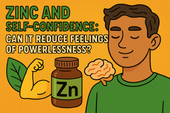
Zinc and Self-Confidence: Can It Reduce Feelings of Powerlessness?
Zinc isn’t just a mineral — it’s the foundation of emotional strength. By balancing neurotransmitters and calming the nervous system, it helps you feel more centered, assertive, and confident from the inside out. 🌿💪
-
How Vitamin D Deficiency Impacts Emotional Resilience in Co-Dependent Patterns
Co-dependency is the emotional tug-of-war between connection and self-loss — a pattern born from giving too much and receiving too little. Learning to untangle this dynamic allows for real love rooted in balance, not fear. 🌿💛
-
B Vitamins for Mood Stability and Self-Worth in Co-Dependency
Vitamin B1, or thiamine, powers both the body and the brain — fueling focus, energy, and emotional clarity. Supporting your nervous system with this essential nutrient helps restore calm and mental resilience. 🌿⚡🧠
-
Chamomile and Valerian Root: Gentle Natural Options for Anxiety in Parkinson’s
Anxiety often feels like a storm inside the mind — racing thoughts, tightness, and unease that make it hard to focus or rest. But learning to understand and calm that inner storm opens the door to peace and emotional balance. 🌿🧠
-
Melatonin and Parkinson’s: Natural Sleep Support Without Dependence
Melatonin is the body’s natural sleep hormone — guiding your mind into rest and your body into recovery. Supporting its natural rhythm can improve sleep quality, mood, and overall health without dependence. 🌙🧠
-
Choline and Brain Health in ADHD: What You Should Know
Inflammation can quietly affect both the body and mind, disrupting focus, mood, and energy. Understanding how it works — and how to calm it — is key to restoring balance, clarity, and long-term health. 🌿🧠
-
Creating a Calming Nighttime Routine with Supplements for OCD
Sleep is the brain’s nightly repair ritual — a time when emotional chaos settles and clarity returns. Prioritizing deep rest restores focus, calm, and resilience, helping both the body and mind recover naturally. 🌙🧠
-
How to Safely Combine OCD Medications with Natural Supplements
Supplements bridge the gap between nutrition and mental wellness — supporting focus, calm, and energy from within. The right combination of nutrients can help balance mood, sharpen the mind, and restore long-term resilience. 🌿🧠
-
Building a Supplement Routine for OCD Symptom Relief
OCD can feel like being trapped in your own thoughts — a battle between control and chaos. Understanding the science behind these cycles is the first step toward breaking free and finding calm within the mind. 🌿🧠
-
Curcumin and Brain Inflammation in OCD: Can It Help?
Inflammation doesn’t just affect the body — it can silently influence the brain, fueling anxiety, fatigue, and mental fog. By understanding how inflammation works, we can learn how to calm the nervous system and restore inner balance. 🌿🧠
-
Probiotics and the Gut-Brain Connection in OCD
Serotonin, often called the “feel-good” chemical, shapes our mood, focus, and emotional balance. By keeping this neurotransmitter in harmony, we support calm thinking, better sleep, and greater mental resilience. 🌿🧠
-

B Vitamins and OCD: Supporting Energy and Neurotransmitter Balance
OCD isn’t just about habits — it’s about the brain’s struggle to find control in chaos. Understanding the neurological roots behind intrusive thoughts can help replace fear with clarity and guide healing toward calm awareness. 🌿🧠
-
Zinc and OCD: The Mineral’s Role in Mental Health
Zinc is more than a trace mineral — it’s a key regulator of mood, memory, and emotional balance. By stabilizing neurotransmitters like serotonin and glutamate, zinc helps calm obsessive thought patterns and supports overall mental clarity. 🌿🧠
-
N-Acetylcysteine (NAC) and OCD: Promising Research Findings
Antioxidants act as the body’s natural defense system, neutralizing free radicals that damage brain cells and worsen anxiety or fatigue. Supporting antioxidant balance with nutrition and supplements helps protect focus, memory, and emotional stability. 🌿🧠
-
Memory Stacks: Combining Supplements for Best Results
Memory weaves the story of who we are — connecting past, present, and future through every experience we store and recall. Strengthening memory means nurturing the brain’s energy, balance, and emotional calm so learning becomes effortless. 🌿🧠
-
How Sleep Supplements Improve Memory Consolidation
Stress can cloud thinking, disrupt sleep, and weaken memory — but understanding its effects on the brain is the first step toward calm. By learning to regulate the nervous system, we can protect focus, energy, and emotional balance. 🌿🧠
-
L-Theanine and Focused Memory Processing
Science is the art of curiosity and precision — a quest to understand the unseen patterns that shape life. From molecules to galaxies, every discovery begins with observation, imagination, and the courage to ask “why.” 🔬💡
-
Rhodiola Rosea and Memory Under Stress
Stress clouds memory, slows thinking, and drains energy — but the good news is, the brain can recover. By understanding how stress affects focus and emotion, we can learn to regulate it, restore clarity, and protect long-term cognitive health. 🌿🧠
-
Ashwagandha for Stress-Related Memory Issues
Adaptogens are nature’s answer to modern stress. These powerful herbs — like Ashwagandha, Rhodiola, and Holy Basil — help balance cortisol, support calm focus, and strengthen the body’s resilience, bringing the mind back to harmony. 🌿🧘♀️


