
The Role of Antioxidants in Healing Brain Stress from Dissociation
Introduction
When you live with dissociation, it can feel as if your brain is running on low battery — foggy, detached, and disconnected from the present moment. But beneath those symptoms lies something very physical: brain stress.
Dissociation isn’t just psychological. It’s a survival response that profoundly changes how your brain cells function. Under prolonged trauma or stress, the body releases waves of stress hormones like cortisol and adrenaline. These chemicals are helpful in short bursts, but over time, they create oxidative stress, damaging neurons and disrupting communication between brain regions.
This cellular damage contributes to the fog, fatigue, and emotional numbness many people experience after chronic trauma. But there’s hope — and it starts at the biochemical level.
Antioxidants, the body’s natural defense system, can help repair and protect the brain from this damage. By neutralizing free radicals and restoring balance, they support neuronal recovery, emotional stability, and mental clarity.
Let’s explore how oxidative stress affects the dissociative brain and how antioxidants — from nutrients to supplements and lifestyle practices — can help bring it back into harmony 🌸.
Looking for supplements for This? Click here.
Understanding Brain Stress and Dissociation ⚡
Dissociation occurs when the brain becomes overwhelmed and “disconnects” from present experience to protect you. It’s an ancient biological reflex, managed by the autonomic nervous system.
When your body senses danger, it first activates the sympathetic nervous system (fight or flight). If escape isn’t possible, it flips into freeze mode, orchestrated by the parasympathetic branch. In this state, energy is conserved, awareness narrows, and emotional response numbs.
This shutdown might protect you in the moment, but it comes at a cost: reduced oxygen flow, slowed metabolism, and increased production of free radicals — unstable molecules that damage brain cells.
Over time, this chronic oxidative stress affects the brain in key ways:
Damaging neuronal membranes, impairing communication
Reducing mitochondrial energy output (ATP)
Disrupting neurotransmitter balance (especially dopamine and serotonin)
Weakening the blood–brain barrier, allowing inflammation to spread
These changes don’t just cause cognitive fog — they alter how you experience the world, disconnecting you from emotion, memory, and even body awareness.
Healing, therefore, must include restoring the brain’s biochemical resilience.
What Are Antioxidants? 🍇

Antioxidants are compounds that neutralize free radicals — molecules with unpaired electrons that cause cellular damage. In a healthy brain, there’s a natural balance between oxidative molecules and antioxidants.
But under chronic stress or trauma, this balance tips toward oxidation. The result is a kind of “rusting” inside your cells.
Antioxidants restore balance by donating electrons to stabilize free radicals, preventing further harm. They also repair existing cellular damage, reduce inflammation, and enhance the brain’s own repair mechanisms.
In the context of dissociation, antioxidants serve as the biochemical equivalent of safety: they tell the brain it’s no longer under siege, allowing it to shift from survival to healing.
The Brain Under Oxidative Stress 🔬
The brain is particularly vulnerable to oxidative stress for two reasons:
It consumes about 20% of the body’s oxygen, producing high levels of metabolic waste.
It’s rich in fats (lipids), which oxidize easily, damaging neuronal membranes.
When the body stays in a prolonged state of threat, cortisol levels remain high, mitochondrial energy declines, and reactive oxygen species (ROS) accumulate.
ROS are like sparks from a fire — small bursts of energy that, when uncontrolled, set off inflammation and cell death. In the brain, this process impairs areas critical for consciousness and emotional regulation, including:
The prefrontal cortex (decision-making and focus)
The hippocampus (memory integration)
The amygdala (fear and emotion)
As these areas weaken, you may experience classic dissociative symptoms — fog, detachment, difficulty feeling emotions, or losing track of time.
Antioxidants help by extinguishing those internal “sparks” and giving neurons the resources to rebuild.
Key Antioxidants for Brain Recovery 🌿
Let’s look at some of the most powerful antioxidants that specifically protect and rejuvenate the brain.
Glutathione: The Master Antioxidant
Glutathione is your body’s built-in defense system. It’s produced in the liver but used everywhere — especially in the brain.
During stress, glutathione levels drop sharply. This leaves neurons vulnerable to oxidative injury.
Supplementing with N-acetyl cysteine (NAC) helps restore glutathione levels. NAC crosses the blood–brain barrier and fuels the production of glutathione directly inside neurons.
Studies show NAC not only reduces oxidative stress but also improves emotional regulation and focus — making it especially relevant for trauma-related dissociation.
CoQ10: Powering the Mitochondria
Coenzyme Q10 (CoQ10) is essential for mitochondrial function — the tiny power plants inside every brain cell.
When mitochondria are damaged by stress or inflammation, they produce less ATP (energy) and more ROS, creating a vicious cycle of fatigue and oxidation.
CoQ10 breaks this cycle by both energizing and protecting mitochondria. It supports sustained brain energy and reduces the oxidative load that contributes to cognitive fog.
Alpha-Lipoic Acid (ALA): The Universal Antioxidant
ALA is both water- and fat-soluble, meaning it can neutralize oxidative stress in any part of the brain cell. It also regenerates other antioxidants like glutathione, vitamin C, and vitamin E.
ALA improves insulin sensitivity and energy metabolism — two systems often impaired by chronic stress. In trauma recovery, it helps stabilize energy fluctuations and cognitive fatigue.
Curcumin: The Anti-Inflammatory Protector
Curcumin, the active compound in turmeric, is both an antioxidant and a natural anti-inflammatory.
In the brain, curcumin reduces neuroinflammation, protects neurons from oxidative damage, and boosts levels of BDNF (Brain-Derived Neurotrophic Factor), a growth factor essential for healing and neuroplasticity.
For people experiencing dissociative brain stress, curcumin helps restore emotional clarity, memory, and focus over time.
Vitamin C and Vitamin E: The Classic Duo
Vitamin C scavenges free radicals in the aqueous (water-based) parts of the brain, while vitamin E protects the fatty parts like neuronal membranes.
Together, they form a synergistic defense system. They’re particularly effective in reducing stress-related oxidative markers and improving blood flow to the brain.
Omega-3 Fatty Acids: Structural Antioxidants
Omega-3s like DHA and EPA don’t act as antioxidants in the traditional sense, but they strengthen cell membranes, making them more resistant to oxidative damage.
They also reduce inflammation and promote neurotransmitter signaling — particularly in regions responsible for emotional regulation.
For dissociation, omega-3s can help re-establish communication between emotional and cognitive centers, gently restoring presence.
Looking for supplements for This? Click here.
The Link Between Oxidation, Memory, and Emotion 💭
The hippocampus — the brain’s “memory hub” — is one of the first areas to suffer under oxidative stress. This is partly why people with trauma often experience fragmented or unclear memories.
Antioxidants like curcumin, ALA, and CoQ10 protect the hippocampus from oxidative damage and promote neurogenesis (new brain cell growth). This supports memory integration — helping the brain link past experiences with present awareness.
In emotional terms, that’s what healing from dissociation looks like: your mind gradually reconnecting the pieces it had to disconnect to survive.
Neuroinflammation and Emotional Blunting 🌙
Chronic oxidative stress triggers neuroinflammation — the brain’s version of immune overreaction.
Inflamed microglia (immune cells in the brain) release cytokines that interfere with serotonin and dopamine transmission, blunting both pleasure and motivation.
This is why people under chronic stress or trauma often feel emotionally flat or disconnected from joy.
Antioxidants calm these overactive microglia, allowing neurotransmitters to rebalance. In this way, antioxidants don’t just restore clarity — they help restore emotional color to life.
The Gut–Brain Connection: Antioxidants and the Microbiome 🌾
A growing body of research shows that the gut microbiome plays a vital role in managing oxidative stress. An imbalanced gut produces more inflammatory molecules that can reach the brain through the vagus nerve or bloodstream.
Antioxidants, particularly polyphenols found in berries, green tea, and dark chocolate, nourish beneficial gut bacteria.
When the gut microbiome is balanced, it sends calming signals to the brain, reducing oxidative stress and promoting vagal tone — the physiological basis for safety and connection.
In practical terms, eating antioxidant-rich foods helps both your digestion and your ability to feel grounded and present.
Everyday Antioxidant Foods 🍇🥦
You don’t need a supplement cabinet to start benefiting from antioxidants. Many healing compounds come from whole foods.
Fruits like blueberries, blackberries, and pomegranates are rich in anthocyanins, potent antioxidants that enhance blood flow to the brain and protect neurons.
Leafy greens like spinach and kale provide vitamin C, E, and carotenoids, while spices like turmeric, ginger, and cinnamon offer anti-inflammatory polyphenols.
Green tea contains EGCG, a catechin that supports mitochondrial health and calms neuroinflammation.
Dark chocolate (with at least 70% cacao) adds flavonoids that improve cerebral blood flow and boost dopamine signaling — a sweet way to enhance mental focus naturally.
Together, these foods create a daily foundation for brain recovery from oxidative stress.
Breath, Movement, and Oxygen Balance 🌬️
Antioxidant support isn’t limited to diet. Breathwork and gentle movement also influence oxidative balance.
Slow, rhythmic breathing increases oxygen efficiency, reducing the buildup of free radicals. Exercise enhances the body’s own antioxidant enzymes, like superoxide dismutase (SOD) and glutathione peroxidase.
This means even simple movement — yoga, walking, or stretching — amplifies your body’s ability to handle stress at the cellular level.
Movement also stimulates BDNF, the brain’s growth factor, which works synergistically with antioxidants to promote neuroplastic healing.
Want to try Breathwork? Click Here.
Combining Antioxidants for Dissociative Brain Recovery 🌿✨
Healing the dissociative brain is a multi-layered process — biochemical, emotional, and behavioral. Antioxidants provide the biochemical foundation by protecting and recharging neurons, but their true power emerges when combined with nervous system regulation and self-care.
A balanced antioxidant stack for dissociation recovery might include:
NAC (600–1200 mg daily) to replenish glutathione
CoQ10 (100–200 mg daily) for mitochondrial energy
Curcumin (500 mg with black pepper extract) to reduce neuroinflammation
ALA (300 mg) to regenerate other antioxidants
Omega-3 DHA/EPA (1000 mg) for membrane support
Always start slowly and consult with a healthcare provider, especially if you take medications, as some antioxidants interact with blood thinners or antidepressants.
Over time, these nutrients help the brain restore its balance — allowing clarity, focus, and emotion to flow again.
Cellular Safety and Emotional Healing 💞
When your neurons are protected and energy returns, something beautiful happens: your nervous system begins to trust that it’s safe again.
This isn’t just a metaphor. When oxidative stress decreases, the brain shifts from “defense mode” (high cortisol, inflammation) to “repair mode” (growth, connection).
That’s when dissociative symptoms begin to ease. You find it easier to stay in your body, notice sensations, and feel emotions without overwhelm.
Antioxidants are part of this shift. They send the signal: the danger has passed — it’s safe to rebuild.
From Brain Fog to Brilliance 🌈
Dissociation often feels like living behind glass — observing life instead of living it. Healing requires restoring both safety and cellular vitality.
Antioxidants are the bridge between the two. They protect neurons, enhance energy flow, and clear the biochemical debris left by chronic stress.
Bit by bit, that fog lifts. Thoughts become sharper. Emotions feel reachable. You start to feel here again — not just surviving, but participating in life.
That’s the quiet miracle of antioxidant healing: it helps your brain remember how to shine.
Looking for online therapy ? Click Here.
References
Berk, M., et al. (2011). “Neuroprogression and oxidative stress in psychiatric disorders.” World Psychiatry, 10(3): 180–190.
Dean, O. M., et al. (2012). “N-acetylcysteine in psychiatry: current therapeutic evidence and potential mechanisms.” Journal of Psychiatry & Neuroscience, 37(2): 78–86.
Zhao, Z., et al. (2019). “Curcumin’s effects on neuroinflammation and oxidative stress.” Frontiers in Pharmacology, 10: 137.
Mancini, A., et al. (2018). “CoQ10 and mitochondrial protection in neurodegeneration.” Antioxidants, 7(12): 174.
Panahi, Y., et al. (2016). “Curcumin and oxidative stress.” Complementary Therapies in Medicine, 29: 1–7.
Kennedy, D. O. (2016). “Polyphenols and cognitive health.” Frontiers in Aging Neuroscience, 8: 23.
Lanius, R. A., et al. (2018). The Neurobiology and Treatment of Trauma-Related Dissociation. Routledge.
van der Kolk, B. A. (2014). The Body Keeps the Score. Viking.
Kim, H. G., et al. (2013). “Antioxidant defenses and trauma-related stress.” Journal of Ethnopharmacology, 150(2): 575–584.
McEwen, B. S. (2007). “Stress, oxidative damage, and resilience in the brain.” Annals of the New York Academy of Sciences, 1113: 111–124.
Related Posts
-

Ashwagandha and Co-Dependency: Supporting Stress Resilience
Stress is more than a feeling—it’s a full-body signal that your system is overwhelmed. When the mind races and the body tenses, your hormones, breathing, and focus all shift into survival mode. Chronic stress doesn’t just affect emotions—it reshapes your nervous system, drains your energy, and clouds your clarity. Learning to understand and manage stress gently is the first step toward peace, balance, and true recovery. 🌿💫
-
Why Co-Dependency Feels Draining: Adrenal Fatigue and Supplements That Help
The adrenal glands are small but powerful organs that sit above your kidneys, acting as your body’s built-in stress managers. They produce hormones like cortisol and adrenaline that help regulate energy, mood, and resilience. When they’re overworked from chronic stress or emotional exhaustion, fatigue and imbalance follow. Supporting adrenal health naturally can help restore calm, energy, and hormonal balance. 🌿⚡
-

The Link Between Anxiety, Co-Dependency, and Natural Support
Anxiety feels like living in constant alert mode—your heart races, your thoughts loop, and your body can’t find peace. It’s the nervous system’s way of preparing for danger, even when none exists. Understanding what’s happening in your mind and body is the first step toward calming the storm and restoring balance. 🌿💫
-
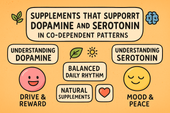
Supplements That Support Dopamine and Serotonin in Co-Dependent Patterns
Serotonin is the neurotransmitter of calm, confidence, and contentment. When it’s balanced, you feel peaceful and emotionally grounded. When it’s low, anxiety, mood swings, and emotional dependence take over. By understanding serotonin’s role in emotional health—and how to support it naturally—you can rebuild inner stability, improve relationships, and cultivate lasting happiness from within. 🌞💫
-
How Emotional Exhaustion in Codependency Impacts the Nervous System
The nervous system is the body’s communication network, connecting the brain to every organ and muscle. It regulates stress, mood, and emotion through a delicate balance of electrical and chemical signals. When overwhelmed, it can become dysregulated—leading to fatigue, anxiety, and emotional imbalance. Understanding how to calm and strengthen the nervous system is key to healing from chronic stress and emotional burnout. ⚡🌿
-
What Is Co-Dependency? The Role of Brain Chemistry and Stress
Stress is more than a feeling—it’s a full-body experience that begins in the brain and ripples through every cell. When cortisol surges and the nervous system stays on alert, your body can’t rest or recover. Over time, this constant tension affects energy, focus, mood, and even immune health. Understanding stress chemistry is the first step toward breaking free from burnout and finding calm again. 🌿
-
Creating a Supplement Stack for Motivation, Energy, and Anti-Procrastination
Motivation is the fuel behind every meaningful achievement—but it’s not just about willpower. It’s a mix of mindset, brain chemistry, and momentum. When energy, focus, and purpose align, action feels natural instead of forced. Learn how to harness motivation as a daily state, not a fleeting feeling.
-
Supplements for Building Consistency and Reducing Chronic Procrastination
Biochemistry is the bridge between biology and chemistry—the science of life at the molecular level. It explains how nutrients, hormones, and neurotransmitters interact to create energy, thought, and emotion. From brain function to muscle movement, biochemistry reveals the invisible processes that sustain health, balance, and vitality.
-
GABA and Procrastination: Supporting Calm Focus for Productivity
GABA is the brain’s natural calming messenger—a neurotransmitter that helps slow mental overactivity and ease stress. When GABA levels drop, focus fades, anxiety rises, and procrastination becomes more likely. By supporting GABA through nutrition, lifestyle, and supplements, you can restore calm clarity, improve focus, and take action with steady, balanced energy.
-
Ashwagandha and Procrastination: Lowering Stress to Improve Action
Science is the language of curiosity and discovery. It helps us understand the hidden patterns behind life, energy, and the universe. Through experimentation and critical thinking, science connects imagination to evidence—turning questions into knowledge. Whether through microscopes, molecules, or minds at work, science represents our endless pursuit of truth and innovation.
-

Neurotransmitters and Motivation: Supplements That Support Drive and Focus
Supplements can do more than boost physical health—they can also enhance mental clarity, focus, and motivation. Nutrients like omega-3s, magnesium, B vitamins, and adaptogens help balance neurotransmitters, stabilize mood, and support brain energy. When combined with good sleep, nutrition, and mindful habits, they can transform how your brain performs under stress.
-
How Stress Hormones Like Cortisol Fuel Procrastination (and What Helps)
Blood sugar isn’t just about physical health—it directly impacts focus, mood, and motivation. When glucose levels spike and crash, energy and attention do the same, fueling procrastination and brain fog. Learning how to stabilize blood sugar through balanced meals, mindful habits, and key nutrients helps keep your mind steady, focused, and ready to act.
-
Brain Fog and Procrastination: Supplements for Mental Clarity
Brain fog can turn even simple tasks into mental hurdles. When your thoughts feel slow and unclear, procrastination often follows—making focus and productivity seem impossible. This article explores the biochemical and lifestyle causes of brain fog and reveals the most effective supplements for restoring mental clarity, focus, and sustained energy.
-

The Link Between Low Energy and Procrastination: Can Supplements Help?
Neurochemistry shapes how we think, feel, and act. When neurotransmitters like dopamine, serotonin, and GABA fall out of balance, it can lead to fatigue, anxiety, or lack of motivation—fueling procrastination and low mood. Understanding the brain’s chemical communication system helps us find ways to restore focus, calm, and emotional stability through nutrition, mindfulness, and targeted supplements.
-
Why Do We Procrastinate? The Role of Dopamine and Supplements That Support It
Dopamine is the brain’s motivation messenger—the chemical that fuels focus, reward, and drive. When dopamine levels drop, even simple tasks can feel impossible to start. This article explores how dopamine shapes procrastination, motivation, and mental energy, along with natural supplements and daily habits that help restore balance and get things done.
-
Phosphatidylserine and Stress Reduction for People with BDD
Stress is more than a mental state—it’s a full-body experience that affects hormones, brain chemistry, and emotional balance. For people with Body Dysmorphic Disorder (BDD), constant tension and worry about appearance can overload the nervous system. Learning how stress works and finding ways to calm it is key to breaking the cycle of anxiety and self-criticism.
-
How Antioxidants Like Vitamin C & E Support Mental Health in BDD
Antioxidants are the body’s natural defense against stress and inflammation. For people with Body Dysmorphic Disorder (BDD), oxidative stress can worsen fatigue, anxiety, and emotional imbalance. Nutrients like Vitamin C and E help protect brain cells, boost neurotransmitter function, and support a calmer, clearer mindset—building a stronger foundation for recovery.
-
Ginkgo Biloba and Memory Support for BDD Recovery
Emotional regulation is the foundation of healing from Body Dysmorphic Disorder (BDD). When the nervous system stays in constant overdrive, even small stressors can trigger self-critical spirals. Learning to calm emotional reactivity helps restore clarity, confidence, and a sense of inner balance. By blending mindfulness, nervous system support, and self-compassion, you can retrain your brain to respond—not react—to emotion.
-
Alpha GPC and Cognitive Function in Body Dysmorphic Disorder
Mental fatigue can feel like your brain has hit a wall—thoughts slow down, focus fades, and motivation disappears. For people with Body Dysmorphic Disorder (BDD), chronic overthinking, emotional stress, and constant self-evaluation can deplete mental energy even further. Understanding what causes this cognitive exhaustion is the first step toward recovery—through rest, balanced nutrition, and targeted brain-supporting supplements.
-
N-Acetyl L-Tyrosine and BDD: Supporting Mental Clarity
Chronic stress doesn’t just affect your mood—it reshapes your brain chemistry, weakens focus, and fuels the obsessive thought loops common in Body Dysmorphic Disorder (BDD). Over time, constant cortisol elevation drains mental energy and emotional balance. Learning to recognize and manage chronic stress is essential to restoring mental clarity, self-compassion, and resilience.
-
Chamomile and Lavender for Calming Obsessive Body Image Thoughts
The nervous system is the command center of our emotional and physical world—and in Body Dysmorphic Disorder (BDD), it often operates in overdrive. Understanding how the brain and body communicate under stress reveals why intrusive thoughts feel uncontrollable. Learning to regulate the nervous system through calm practices, nutrition, and supplements helps restore inner balance and emotional safety.
-
Adaptogens for Body Dysmorphic Disorder: Rhodiola, Ginseng, and More
Rhodiola rosea, often called the “golden root,” is an adaptogenic herb renowned for boosting stress resilience and mental endurance. For individuals with Body Dysmorphic Disorder (BDD), Rhodiola may help reduce fatigue, regulate cortisol, and enhance emotional balance. By supporting both mind and body, this powerful plant promotes calm focus, improved mood, and renewed energy to face daily challenges.
-
B Vitamins for Stress Resilience in BDD: Rebuilding Calm from Within
Biochemistry is at the heart of every thought, emotion, and reaction we experience. In Body Dysmorphic Disorder (BDD), chemical imbalances in neurotransmitters like serotonin, dopamine, and GABA can amplify stress and distort self-perception. Understanding the biochemistry behind mood and stress regulation offers a path toward healing—bridging the gap between emotional experience and the body’s molecular balance.
-
Melatonin and Body Dysmorphic Disorder: Restoring Healthy Sleep Patterns
Melatonin, the body’s natural sleep hormone, plays a vital role in helping people with Body Dysmorphic Disorder (BDD) restore healthy sleep cycles. When anxiety and obsessive thinking interfere with rest, melatonin levels often drop, leading to more emotional reactivity and distorted self-perception. This article explores how melatonin works, why BDD disrupts it, and how natural supplementation—combined with mindful routines—can help the brain and body finally find calm at night.
-
Sleep Struggles with BDD: Supplements for Rest and Recovery
When you’re living with Body Dysmorphic Disorder (BDD), restful sleep can feel impossible—but the right supplements can help reset your body’s natural rhythm. From magnesium and L-theanine to 5-HTP and ashwagandha, these nutrients support relaxation, lower cortisol, and enhance melatonin production. This article explores how supplements can calm the mind, ease nighttime anxiety, and promote true restorative sleep for emotional and physical recovery.
-
5-HTP and Serotonin Balance: Could It Help with Body Dysmorphic Disorder?
Anxiety can feel like a storm inside the mind—restless, overwhelming, and hard to control. In people with Body Dysmorphic Disorder (BDD), anxiety often fuels obsessive thoughts and self-criticism, creating a painful cycle of worry and self-doubt. This article explores the biological roots of anxiety, the role of neurotransmitters like serotonin and GABA, and how natural strategies such as mindfulness, supplements, and nervous system regulation can restore calm and mental clarity.
-
Can Ashwagandha Help Ease Stress and Anxiety in Body Dysmorphic Disorder?
Neurotransmitters like serotonin, dopamine, GABA, and acetylcholine are the chemical messengers that shape how we think, feel, and react to stress. In Body Dysmorphic Disorder (BDD), imbalances in these neurotransmitters can amplify anxiety, obsessive thinking, and emotional distress. This article explores how restoring healthy brain chemistry through nutrition, supplements, and mindfulness can help bring clarity, calm, and emotional stability.
-
L-Theanine for BDD: Finding Calm in the Mind
Neurochemistry plays a central role in how we think, feel, and see ourselves. For those living with Body Dysmorphic Disorder (BDD), imbalances in neurotransmitters like serotonin, dopamine, and GABA can intensify anxiety, obsessive thoughts, and emotional distress. This article explores how regulating brain chemistry through supplements, mindfulness, and lifestyle changes can bring the nervous system back into harmony and restore inner calm.
-
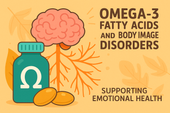
Omega-3 Fatty Acids and Body Image Disorders: Supporting Emotional Health
Omega-3 fatty acids do far more than support heart health—they nourish the brain, stabilize mood, and may ease the emotional turbulence tied to body image disorders like BDD. This in-depth article explores how omega-3s regulate serotonin, dopamine, and inflammation, helping individuals reduce obsessive thoughts and rebuild self-acceptance. It also connects nutrition to therapy, mindfulness, and nervous system balance for holistic emotional healing.
-
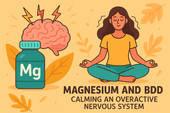
Magnesium and BDD: Calming an Overactive Nervous System
Magnesium plays a crucial role in calming an overactive nervous system—something people with Body Dysmorphic Disorder (BDD) struggle with daily. This article explores how magnesium supports relaxation, emotional regulation, and stress reduction while diving into the science behind its connection to brain chemistry. It also examines how combining magnesium supplementation with therapy and breathwork can help rebalance the body’s stress response, reduce obsessive thought patterns, and promote lasting nervous system calm.
-
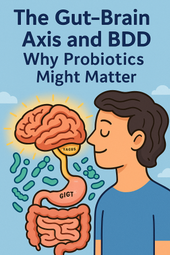
The Gut-Brain Axis and BDD: Why Probiotics Might Matter
The gut and brain are constantly in conversation — and that dialogue may shape how you experience Body Dysmorphic Disorder. By nurturing your microbiome with probiotics, prebiotics, and gut-healing nutrients, you can help rebalance serotonin, calm anxiety, and restore emotional stability from within 🧠🦠.
-
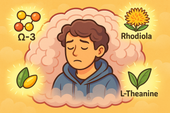
Brain Fog and Body Dysmorphic Disorder: Can Nootropic Supplements Help?
Brain fog often accompanies Body Dysmorphic Disorder, clouding focus and deepening emotional fatigue. Nootropic supplements like L-theanine, Rhodiola, and CoQ10 can help restore mental clarity, balance neurotransmitters, and bring calm energy back to the mind 🌿🧠.
-
How Stress Hormones Like Cortisol May Worsen Body Dysmorphic Disorder
Chronic stress floods the brain with cortisol — the hormone that keeps you on high alert. In Body Dysmorphic Disorder, this chemical overdrive fuels anxiety, distorts self-image, and traps the body in survival mode. Calming cortisol helps restore both peace and perspective 🌿🧠.
-
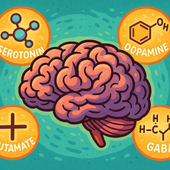
The Role of Neurotransmitters in BDD—and How Supplements May Help
Neurotransmitters like serotonin, dopamine, glutamate, and GABA shape how people with Body Dysmorphic Disorder perceive themselves. When these brain messengers fall out of balance, perception distorts — but targeted supplements can help restore calm, focus, and emotional regulation 🧠🌿.
-

What Is Body Dysmorphic Disorder? A Deeper Look at the Mind-Body Connection
Body Dysmorphic Disorder (BDD) isn’t just about appearance — it’s about perception. When brain chemistry, trauma, and stress distort self-image, the mind begins to see flaws that aren’t truly there. Healing starts by calming the nervous system and reconnecting mind and body 🪞🧠.
-

Keeping Calm in Competitive Sports: How to Train Your Mind, Body, and Chemistry for Peak Performance
Competitive pressure can overwhelm even the strongest athletes — but calm is trainable. By combining supplements like magnesium, L-theanine, and adaptogens with breathwork and mindset training, you can stay focused, balanced, and in control under any level of stress 🧠🏅.
-
Supplements for Parents Facing Toddler Tantrums: Staying Calm When Little Emotions Run Wild
Toddler tantrums can drain even the most loving parent — but your calm is powerful. With the right supplements like magnesium, L-theanine, and ashwagandha supporting your nervous system, you can stay patient, grounded, and kind, even when emotions run high 🧸🌿.
-

Workplace Stress and Anger Management Support
Workplace stress can quickly turn into frustration — but calm is a skill you can train. By combining supplements like magnesium, L-theanine, and adaptogens with breathwork and mindset tools, you can stay focused, patient, and emotionally grounded no matter how intense the office gets 💼🌿.
-

How to Stay Patient With Family During Stressful Holidays
Holiday gatherings can stir up old stress and test your patience — but calm is possible. With nervous system support from magnesium, L-theanine, and adaptogens, plus mindful breathing and clear boundaries, you can stay centered, kind, and grounded even when family chaos unfolds 🎄💞.
-
Supplements to Keep Calm During Traffic Jams
Getting stuck in traffic doesn’t have to ruin your mood. With calming supplements like magnesium, L-theanine, and ashwagandha, you can train your body to stay relaxed and focused behind the wheel — turning gridlock into a moment of grounded patience 🚗🌿.
-
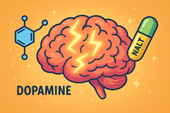
N-Acetyl L-Tyrosine (NALT) for Supporting Mental Clarity
N-Acetyl L-Tyrosine (NALT) fuels dopamine production — the neurotransmitter of focus and motivation. By supporting brain chemistry during stress, NALT helps restore mental clarity, energy, and alertness, making it easier to think clearly and feel present again ⚡🧠.
-

How Ginseng May Improve Focus and Energy in Dissociation
Ginseng helps combat the mental fatigue and fog that often come with dissociation. By supporting mitochondrial energy, balancing neurotransmitters, and regulating cortisol, it gently restores focus, motivation, and emotional presence — helping the mind reconnect with clarity and strength 🌿⚡.
-
Phosphatidylserine and Dissociation: Supporting Cognitive Function
Phosphatidylserine helps calm the stress response by balancing cortisol, the body’s primary stress hormone. By lowering cortisol spikes, it protects memory, focus, and emotional stability — restoring clarity and mental presence for those struggling with dissociation 🧠🌿.
-
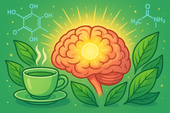
Can Green Tea Extract Help with Dissociative Brain Fog?
Green tea extract may help lift dissociative brain fog by supporting neurotransmitter balance, reducing inflammation, and enhancing energy at the cellular level. With its key compounds EGCG and L-theanine, it promotes calm focus, clarity, and emotional presence — helping you feel more alert and grounded 🍵🧠.
-
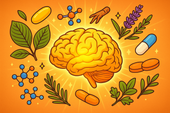
Building a Natural Supplement Stack for Dissociation Support
Building a supplement stack for dissociation means nourishing the brain and body back into communication. By supporting neurotransmitters, gut health, and energy balance through nutrients like magnesium, omega-3s, curcumin, and probiotics, you can help restore clarity, calm, and connection — one layer at a time 🌿🧠.
-

Chamomile and Lavender for Dissociative Anxiety Relief
Chamomile and lavender work together to calm dissociative anxiety by soothing the nervous system and restoring emotional safety. Their natural compounds balance cortisol, enhance GABA activity, and activate the vagus nerve — helping you feel grounded, connected, and at peace again 🌿💜.
-
Curcumin for Inflammation and Mental Clarity in Dissociation
Curcumin, the golden compound in turmeric, does more than fight inflammation — it helps clear the mental fog often tied to dissociation. By calming neuroinflammation, balancing neurotransmitters, and supporting mitochondrial energy, curcumin can restore mental clarity, focus, and emotional presence 🌿🧠.
-
Probiotics and Dissociation: Exploring the Gut–Brain Axis
The gut–brain axis plays a vital role in emotional awareness and presence. When the microbiome is balanced, it supports serotonin production, vagus nerve activity, and calm focus. Probiotics help repair this connection — restoring safety, clarity, and the feeling of truly being in your body again 🌿🧠.
-
5-HTP for Dissociation: Supporting Serotonin and Emotional Stability
5-HTP helps bridge the gap between emotional numbness and stability by supporting serotonin production — the neurotransmitter that shapes mood, sleep, and sensory awareness. For people experiencing dissociation, 5-HTP may gently restore connection, presence, and emotional balance from the inside out 🌿🧠.


