
Magnesium for Calming the Nervous System in Co-Dependent Relationships
Introduction
If you’ve ever felt emotionally drained in your relationships—constantly overthinking, anticipating others’ moods, or feeling responsible for everyone’s peace—you know how exhausting co-dependency can be. It doesn’t just wear down your emotions; it burns out your nervous system. Over time, chronic tension, poor sleep, and emotional burnout become a physical reality.
One of the most effective natural allies for restoring calm and stability is magnesium—a mineral so essential to emotional and physical balance that some researchers call it “nature’s original tranquilizer.”
This article explores how co-dependent stress affects the body, why magnesium is vital for nervous system health, and how this humble mineral can help you rebuild peace, boundaries, and resilience. 🌸
Looking for supplements for This? Click here.
The Nervous System in Co-Dependency 🧠💔

Co-dependency often begins as emotional hypervigilance. You might constantly scan for signs of conflict, disappointment, or withdrawal—trying to “manage” emotions in your relationships to keep things safe.
But that kind of vigilance has a cost. It activates your sympathetic nervous system (the fight-or-flight response) day after day, flooding your body with cortisol and adrenaline.
When the stress becomes chronic, your parasympathetic system—the one responsible for rest and healing—can’t do its job. You feel stuck between anxiety and exhaustion, between people-pleasing and burnout.
This imbalance doesn’t just live in your thoughts; it reshapes your body chemistry. Muscles stay tense, digestion slows, sleep becomes light or restless, and your heart beats faster than necessary.
Over time, this becomes a state of nervous system dysregulation—your body has forgotten how to relax. And this is exactly where magnesium comes in. 🌿
Magnesium: The Nervous System’s Peacekeeper 🌙
Magnesium is a micronutrient powerhouse, involved in over 300 biochemical reactions in the body. It’s essential for muscle relaxation, energy production, heart rhythm, and, most importantly, nervous system regulation.
Think of magnesium as the mineral that tells your body, “It’s okay—you can exhale now.”
When you’re magnesium-deficient, your nerves fire too easily. You become more sensitive to stress, noise, and emotional triggers. Every disagreement feels amplified because your body can’t buffer the biochemical effects of tension.
Studies show that low magnesium increases cortisol release, heightens anxiety, and even disrupts serotonin—the neurotransmitter responsible for emotional stability and happiness.
Simply put, without enough magnesium, your nervous system can’t find calm.
The Co-Dependent Body: Magnesium Depletion and Chronic Stress ⚡
Stress depletes magnesium faster than almost any other mineral. Every surge of adrenaline or cortisol burns through your magnesium reserves.
In co-dependent relationships, where stress often feels constant—worrying about others, replaying conversations, trying to fix or prevent conflict—the body stays in fight-or-flight mode. Magnesium leaves the tissues, blood levels drop, and the stress cycle strengthens.
You might notice physical signs like:
😣 muscle tension or twitching
🌙 insomnia or restless sleep
💓 heart palpitations or racing thoughts
💭 mental fog or irritability
💧 frequent fatigue despite rest
This creates a self-reinforcing loop: stress depletes magnesium → low magnesium increases anxiety → anxiety causes more stress → and the cycle continues.
Replenishing magnesium helps break this loop from the inside out, restoring physiological calm that emotional awareness alone can’t achieve.
The Biochemistry of Calm: How Magnesium Works 🧬
When magnesium enters the bloodstream, it interacts with the nervous system in several key ways:
✨ It blocks stress hormones from binding excessively to the brain, preventing overexcitation.
✨ It activates GABA receptors—the same calming pathways that help you unwind before sleep.
✨ It reduces inflammation and oxidative stress caused by emotional overload.
✨ It supports serotonin and dopamine balance, improving mood stability.
✨ It regulates the heart rate and relaxes blood vessels, easing physical anxiety symptoms.
In simple terms, magnesium gives your nervous system the signal to relax, recover, and rebuild resilience. 🌿
The Emotional Benefits: How Magnesium Helps You Feel Safe Again 💖
When your body feels chronically unsafe, your mind struggles to trust peace. Even when nothing is wrong, the absence of tension can feel foreign or even threatening.
By balancing stress hormones and soothing the nervous system, magnesium helps your body relearn safety.
Over time, you begin to feel:
🌙 more relaxed in your body
🧘 less reactive during conflict
💭 clearer in thought and judgment
💗 calmer after emotional triggers
This is the beginning of emotional regulation—the ability to experience feelings without being consumed by them. For people healing from co-dependency, this shift is life-changing.
Instead of reacting from fear, you begin responding from calm.
Magnesium and Boundaries: The Biochemical Bridge ⚖️
It might sound poetic, but healthy boundaries are partly a magnesium issue.
Without enough magnesium, your body is constantly overstimulated—wired to overreact, over-give, and overextend. You can’t set boundaries when your nervous system is screaming for relief.
When magnesium levels rise, calm returns. Your body stops chasing safety through control, and you begin to trust space.
Suddenly, saying “no” doesn’t feel terrifying—it feels natural. You stop absorbing everyone else’s emotions because your own body feels stable enough to stand on its own.
That’s what real healing from co-dependency looks like: safety from within. 🌸
The Best Forms of Magnesium for Nervous System Health 🌿
Not all magnesium supplements are created equal. The right form depends on your symptoms and sensitivity.
🌙 Magnesium Glycinate – The most calming form. It’s highly bioavailable and gentle on digestion. Perfect for anxiety, insomnia, or nervous tension.
🧘 Magnesium Threonate – Crosses the blood-brain barrier, supporting cognitive function, memory, and emotional calm. Ideal if stress affects focus or mental clarity.
💫 Magnesium Malate – Boosts energy while still calming the nerves. Great for people who feel both anxious and fatigued.
💧 Magnesium Citrate – Common and effective, but can act as a mild laxative. Useful if stress affects digestion.
Whichever form you choose, consistency matters more than perfection. The nervous system needs steady support, not sporadic relief.
Looking for supplements for This? Click here.
How to Combine Magnesium with Natural Co-Regulation 🌼
Magnesium works best when paired with lifestyle practices that reinforce its calming effects. Think of it as part of a holistic recovery plan—nourishing both the mind and body.
🌬️ Deep breathing: Enhances parasympathetic activation, allowing magnesium to do its job more effectively.
Want to try Breathwork? Click Here.
🍲 Whole foods: Dark leafy greens, nuts, seeds, avocados, and cacao are natural magnesium sources.
🧘 Gentle movement: Yoga or stretching releases stored tension and increases magnesium absorption.
💤 Restorative sleep: Magnesium supports melatonin production, deepening rest and resetting stress hormones.
☀️ Mindful sunlight exposure: Vitamin D enhances magnesium’s efficiency, especially for mood regulation.
Together, these practices create a feedback loop of calm—the opposite of co-dependent hyperarousal.
The Link Between Magnesium, GABA, and Serenity 💫
The GABA neurotransmitter system is your brain’s built-in tranquilizer. It slows neural activity, creating feelings of peace and safety.
When GABA is low, you feel restless, anxious, or easily overwhelmed—classic symptoms of co-dependency. Magnesium boosts GABA function naturally, without sedation.
That’s why many people notice after taking magnesium for a few weeks that they can finally “exhale.” The body doesn’t feel like it’s waiting for the next emotional emergency.
Over time, this GABA-magnesium synergy helps rebuild your sense of stability, allowing peace to feel normal again.
When the Nervous System Finally Feels Safe 🌙
One of the most beautiful parts of magnesium repletion is witnessing how your relationships change as your body calms down.
When your nervous system feels safe, you stop needing others to create that safety for you. You start expressing yourself instead of suppressing your feelings. You begin responding instead of reacting.
This internal calm sends a powerful message to others: I am grounded. I can love without losing myself.
That’s the ultimate goal—not to detach from love, but to love from a place of balance rather than fear. 💗
The Long Game: Magnesium and Nervous System Healing 🌿
Magnesium doesn’t offer a quick fix—it’s a slow, steady restoration of balance. Think of it as emotional nourishment for the long run.
As your magnesium stores rebuild, you’ll likely notice improvements in both body and mind:
✨ Fewer muscle cramps or tension headaches
✨ Deeper, more restful sleep
✨ Improved digestion
✨ Stable moods and emotional endurance
Each of these shifts adds up to something much bigger: nervous system resilience.
Healing co-dependency requires that kind of foundation—a body that feels steady enough to let go of control, a mind clear enough to observe without judgment, and a heart open enough to receive without fear.
Reclaiming Calm: From Overreaction to Regulation 🌿💞
If co-dependency is living through others, magnesium helps you come home to yourself.
You stop depending on external calm because you begin creating it internally. The body that once held its breath learns to exhale. The heart that once rushed to rescue learns to rest.
Magnesium reminds the nervous system that peace isn’t something to chase—it’s something to cultivate.
And when you combine that physiological peace with emotional awareness, therapy, and boundaries, you start to live differently. You begin to love freely, not frantically. You begin to care deeply, without collapse. 🌙
Looking for online therapy ? Click Here.
References 📚
Barbagallo, M., & Dominguez, L. J. (2010). Magnesium and aging. Current Pharmaceutical Design.
Eby, G. A., & Eby, K. L. (2010). Magnesium for treatment-resistant depression: A review and hypothesis. Medical Hypotheses.
Pickering, G., Mazur, A., et al. (2020). Magnesium and stress: A vicious circle. Biological Trace Element Research.
Porges, S. W. (2011). The Polyvagal Theory: Neurophysiological Foundations of Emotions, Attachment, Communication, and Self-Regulation.
Sapolsky, R. M. (2004). Why Zebras Don’t Get Ulcers. Henry Holt & Company.
Related Posts
-
Cognitive Decline in Parkinson’s: Natural Support for Brain Function
Cognitive decline in Parkinson’s can affect memory, focus, and daily independence—but there’s hope. Understanding how the disease impacts brain chemistry opens the door to natural ways of support. From omega-3s and CoQ10 to mindfulness and exercise, you can nourish your brain, boost clarity, and slow decline through holistic care. 🌿🧠
-
How Parkinson’s Affects Mental Health: Anxiety, Depression, and Stress
Dopamine is the brain’s spark of motivation—the chemical that fuels focus, pleasure, and drive. When dopamine levels are balanced, you feel inspired and alive; when they’re low, everything feels like an uphill climb. Understanding how dopamine works can help you support mental clarity, resilience, and emotional balance naturally. ⚡🧠
-
How Supplements Can Support Therapy and Healing from Co-Dependency
Biology is the science of life—an exploration of how cells, systems, and molecules create the foundation for every thought, emotion, and heartbeat. From the way our DNA shapes us to how hormones and neurons communicate, biology reveals the deep interconnectedness between mind and body. Understanding it helps us appreciate the delicate balance that keeps us alive, aware, and evolving. 🌿🧬
-
Creating a Supplement Stack for Emotional Independence and Balance
Biochemistry is the invisible language of life—how molecules, cells, and systems communicate to keep your body and mind in balance. From neurotransmitters shaping emotions to enzymes fueling energy, every process in your body reflects biochemical harmony. Understanding these reactions helps you see how nutrition, supplements, and emotions intertwine to support health, mood, and resilience. ⚗️🌿
-
Supplements for Supporting Emotional Healing and Self-Identity
Biology is the bridge between mind and body—the science that explains how cells, hormones, and systems communicate to sustain life. It reveals how emotional states influence physical health, and how nourishment, rest, and movement keep us in balance. Understanding biology helps us reconnect with our natural intelligence and live in harmony with ourselves and the world. 🌿🔬
-
The Role of Antioxidants in Reducing Stress Damage from Toxic Relationships
Biology is the study of life in motion—the intricate dance between cells, systems, and the natural world. From DNA replication to neurotransmitter flow, every process in the human body reflects the intelligence of life adapting and evolving. Understanding this harmony helps us appreciate how nutrition, stress, and environment shape our health and emotional balance. 🌿🔬
-
Cortisol Imbalance in Co-Dependency: How Supplements Can Help
Cortisol is the body’s main stress hormone—essential for energy and focus, yet harmful when chronically elevated. When life feels like constant pressure, cortisol imbalance can trigger fatigue, anxiety, and mood swings. Learning how to restore balance through rest, nutrition, and the right supplements can help you rebuild calm, clarity, and resilience from the inside out. 🌿💫
-
Adaptogens Like Rhodiola Rosea for Emotional Strength and Independence
Adaptogens are nature’s stress-balancing herbs—plants like Rhodiola, Ashwagandha, and Holy Basil that help your body adapt to emotional and physical pressure. They don’t numb or overstimulate; they teach your system how to find calm and stability again. By restoring balance to your hormones, energy, and mood, adaptogens nurture emotional resilience and grounded strength. 🌿✨
-
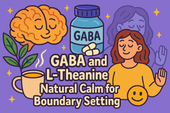
GABA and L-Theanine: Natural Calm for Boundary Setting
Anxiety can feel like a storm inside your mind—constant tension, overthinking, and the inability to relax even when you’re safe. But beneath the chaos, your body is simply trying to protect you. Learning to calm anxiety starts with understanding how your brain and nervous system respond to stress—and how to gently guide them back to peace. 🌿💫
-
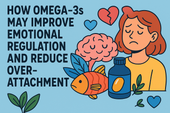
How Omega-3s May Improve Emotional Regulation and Reduce Over-Attachment
Inflammation isn’t just about sore joints or fatigue—it’s also a hidden driver of mood swings, anxiety, and emotional burnout. When chronic stress or poor diet keep the body inflamed, the brain’s chemistry changes, making calm harder to access. Learning how to reduce inflammation through nutrition, rest, and mindful living helps restore balance from the inside out. 🌿💫
-

Ashwagandha and Co-Dependency: Supporting Stress Resilience
Stress is more than a feeling—it’s a full-body signal that your system is overwhelmed. When the mind races and the body tenses, your hormones, breathing, and focus all shift into survival mode. Chronic stress doesn’t just affect emotions—it reshapes your nervous system, drains your energy, and clouds your clarity. Learning to understand and manage stress gently is the first step toward peace, balance, and true recovery. 🌿💫
-
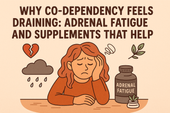
Why Co-Dependency Feels Draining: Adrenal Fatigue and Supplements That Help
The adrenal glands are small but powerful organs that sit above your kidneys, acting as your body’s built-in stress managers. They produce hormones like cortisol and adrenaline that help regulate energy, mood, and resilience. When they’re overworked from chronic stress or emotional exhaustion, fatigue and imbalance follow. Supporting adrenal health naturally can help restore calm, energy, and hormonal balance. 🌿⚡
-

The Link Between Anxiety, Co-Dependency, and Natural Support
Anxiety feels like living in constant alert mode—your heart races, your thoughts loop, and your body can’t find peace. It’s the nervous system’s way of preparing for danger, even when none exists. Understanding what’s happening in your mind and body is the first step toward calming the storm and restoring balance. 🌿💫
-
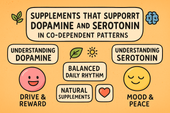
Supplements That Support Dopamine and Serotonin in Co-Dependent Patterns
Serotonin is the neurotransmitter of calm, confidence, and contentment. When it’s balanced, you feel peaceful and emotionally grounded. When it’s low, anxiety, mood swings, and emotional dependence take over. By understanding serotonin’s role in emotional health—and how to support it naturally—you can rebuild inner stability, improve relationships, and cultivate lasting happiness from within. 🌞💫
-
How Emotional Exhaustion in Codependency Impacts the Nervous System
The nervous system is the body’s communication network, connecting the brain to every organ and muscle. It regulates stress, mood, and emotion through a delicate balance of electrical and chemical signals. When overwhelmed, it can become dysregulated—leading to fatigue, anxiety, and emotional imbalance. Understanding how to calm and strengthen the nervous system is key to healing from chronic stress and emotional burnout. ⚡🌿
-
What Is Co-Dependency? The Role of Brain Chemistry and Stress
Stress is more than a feeling—it’s a full-body experience that begins in the brain and ripples through every cell. When cortisol surges and the nervous system stays on alert, your body can’t rest or recover. Over time, this constant tension affects energy, focus, mood, and even immune health. Understanding stress chemistry is the first step toward breaking free from burnout and finding calm again. 🌿
-
Creating a Supplement Stack for Motivation, Energy, and Anti-Procrastination
Motivation is the fuel behind every meaningful achievement—but it’s not just about willpower. It’s a mix of mindset, brain chemistry, and momentum. When energy, focus, and purpose align, action feels natural instead of forced. Learn how to harness motivation as a daily state, not a fleeting feeling.
-
Supplements for Building Consistency and Reducing Chronic Procrastination
Biochemistry is the bridge between biology and chemistry—the science of life at the molecular level. It explains how nutrients, hormones, and neurotransmitters interact to create energy, thought, and emotion. From brain function to muscle movement, biochemistry reveals the invisible processes that sustain health, balance, and vitality.
-
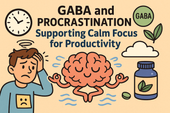
GABA and Procrastination: Supporting Calm Focus for Productivity
GABA is the brain’s natural calming messenger—a neurotransmitter that helps slow mental overactivity and ease stress. When GABA levels drop, focus fades, anxiety rises, and procrastination becomes more likely. By supporting GABA through nutrition, lifestyle, and supplements, you can restore calm clarity, improve focus, and take action with steady, balanced energy.
-
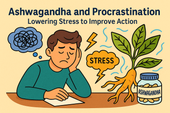
Ashwagandha and Procrastination: Lowering Stress to Improve Action
Science is the language of curiosity and discovery. It helps us understand the hidden patterns behind life, energy, and the universe. Through experimentation and critical thinking, science connects imagination to evidence—turning questions into knowledge. Whether through microscopes, molecules, or minds at work, science represents our endless pursuit of truth and innovation.
-

Neurotransmitters and Motivation: Supplements That Support Drive and Focus
Supplements can do more than boost physical health—they can also enhance mental clarity, focus, and motivation. Nutrients like omega-3s, magnesium, B vitamins, and adaptogens help balance neurotransmitters, stabilize mood, and support brain energy. When combined with good sleep, nutrition, and mindful habits, they can transform how your brain performs under stress.
-
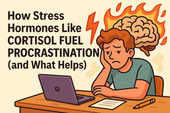
How Stress Hormones Like Cortisol Fuel Procrastination (and What Helps)
Blood sugar isn’t just about physical health—it directly impacts focus, mood, and motivation. When glucose levels spike and crash, energy and attention do the same, fueling procrastination and brain fog. Learning how to stabilize blood sugar through balanced meals, mindful habits, and key nutrients helps keep your mind steady, focused, and ready to act.
-
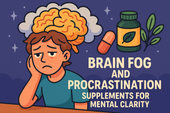
Brain Fog and Procrastination: Supplements for Mental Clarity
Brain fog can turn even simple tasks into mental hurdles. When your thoughts feel slow and unclear, procrastination often follows—making focus and productivity seem impossible. This article explores the biochemical and lifestyle causes of brain fog and reveals the most effective supplements for restoring mental clarity, focus, and sustained energy.
-

The Link Between Low Energy and Procrastination: Can Supplements Help?
Neurochemistry shapes how we think, feel, and act. When neurotransmitters like dopamine, serotonin, and GABA fall out of balance, it can lead to fatigue, anxiety, or lack of motivation—fueling procrastination and low mood. Understanding the brain’s chemical communication system helps us find ways to restore focus, calm, and emotional stability through nutrition, mindfulness, and targeted supplements.
-
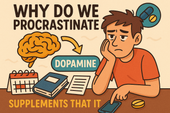
Why Do We Procrastinate? The Role of Dopamine and Supplements That Support It
Dopamine is the brain’s motivation messenger—the chemical that fuels focus, reward, and drive. When dopamine levels drop, even simple tasks can feel impossible to start. This article explores how dopamine shapes procrastination, motivation, and mental energy, along with natural supplements and daily habits that help restore balance and get things done.
-
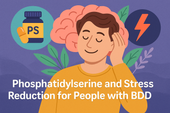
Phosphatidylserine and Stress Reduction for People with BDD
Stress is more than a mental state—it’s a full-body experience that affects hormones, brain chemistry, and emotional balance. For people with Body Dysmorphic Disorder (BDD), constant tension and worry about appearance can overload the nervous system. Learning how stress works and finding ways to calm it is key to breaking the cycle of anxiety and self-criticism.
-
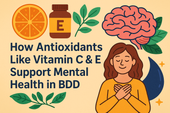
How Antioxidants Like Vitamin C & E Support Mental Health in BDD
Antioxidants are the body’s natural defense against stress and inflammation. For people with Body Dysmorphic Disorder (BDD), oxidative stress can worsen fatigue, anxiety, and emotional imbalance. Nutrients like Vitamin C and E help protect brain cells, boost neurotransmitter function, and support a calmer, clearer mindset—building a stronger foundation for recovery.
-
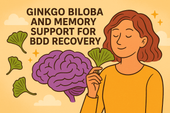
Ginkgo Biloba and Memory Support for BDD Recovery
Emotional regulation is the foundation of healing from Body Dysmorphic Disorder (BDD). When the nervous system stays in constant overdrive, even small stressors can trigger self-critical spirals. Learning to calm emotional reactivity helps restore clarity, confidence, and a sense of inner balance. By blending mindfulness, nervous system support, and self-compassion, you can retrain your brain to respond—not react—to emotion.
-
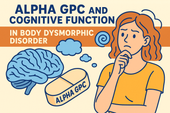
Alpha GPC and Cognitive Function in Body Dysmorphic Disorder
Mental fatigue can feel like your brain has hit a wall—thoughts slow down, focus fades, and motivation disappears. For people with Body Dysmorphic Disorder (BDD), chronic overthinking, emotional stress, and constant self-evaluation can deplete mental energy even further. Understanding what causes this cognitive exhaustion is the first step toward recovery—through rest, balanced nutrition, and targeted brain-supporting supplements.
-
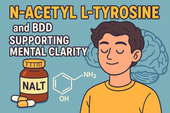
N-Acetyl L-Tyrosine and BDD: Supporting Mental Clarity
Chronic stress doesn’t just affect your mood—it reshapes your brain chemistry, weakens focus, and fuels the obsessive thought loops common in Body Dysmorphic Disorder (BDD). Over time, constant cortisol elevation drains mental energy and emotional balance. Learning to recognize and manage chronic stress is essential to restoring mental clarity, self-compassion, and resilience.
-
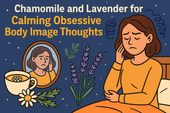
Chamomile and Lavender for Calming Obsessive Body Image Thoughts
The nervous system is the command center of our emotional and physical world—and in Body Dysmorphic Disorder (BDD), it often operates in overdrive. Understanding how the brain and body communicate under stress reveals why intrusive thoughts feel uncontrollable. Learning to regulate the nervous system through calm practices, nutrition, and supplements helps restore inner balance and emotional safety.
-
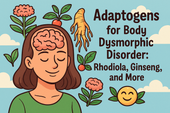
Adaptogens for Body Dysmorphic Disorder: Rhodiola, Ginseng, and More
Rhodiola rosea, often called the “golden root,” is an adaptogenic herb renowned for boosting stress resilience and mental endurance. For individuals with Body Dysmorphic Disorder (BDD), Rhodiola may help reduce fatigue, regulate cortisol, and enhance emotional balance. By supporting both mind and body, this powerful plant promotes calm focus, improved mood, and renewed energy to face daily challenges.
-
B Vitamins for Stress Resilience in BDD: Rebuilding Calm from Within
Biochemistry is at the heart of every thought, emotion, and reaction we experience. In Body Dysmorphic Disorder (BDD), chemical imbalances in neurotransmitters like serotonin, dopamine, and GABA can amplify stress and distort self-perception. Understanding the biochemistry behind mood and stress regulation offers a path toward healing—bridging the gap between emotional experience and the body’s molecular balance.
-
Melatonin and Body Dysmorphic Disorder: Restoring Healthy Sleep Patterns
Melatonin, the body’s natural sleep hormone, plays a vital role in helping people with Body Dysmorphic Disorder (BDD) restore healthy sleep cycles. When anxiety and obsessive thinking interfere with rest, melatonin levels often drop, leading to more emotional reactivity and distorted self-perception. This article explores how melatonin works, why BDD disrupts it, and how natural supplementation—combined with mindful routines—can help the brain and body finally find calm at night.
-
Sleep Struggles with BDD: Supplements for Rest and Recovery
When you’re living with Body Dysmorphic Disorder (BDD), restful sleep can feel impossible—but the right supplements can help reset your body’s natural rhythm. From magnesium and L-theanine to 5-HTP and ashwagandha, these nutrients support relaxation, lower cortisol, and enhance melatonin production. This article explores how supplements can calm the mind, ease nighttime anxiety, and promote true restorative sleep for emotional and physical recovery.
-
5-HTP and Serotonin Balance: Could It Help with Body Dysmorphic Disorder?
Anxiety can feel like a storm inside the mind—restless, overwhelming, and hard to control. In people with Body Dysmorphic Disorder (BDD), anxiety often fuels obsessive thoughts and self-criticism, creating a painful cycle of worry and self-doubt. This article explores the biological roots of anxiety, the role of neurotransmitters like serotonin and GABA, and how natural strategies such as mindfulness, supplements, and nervous system regulation can restore calm and mental clarity.
-
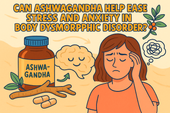
Can Ashwagandha Help Ease Stress and Anxiety in Body Dysmorphic Disorder?
Neurotransmitters like serotonin, dopamine, GABA, and acetylcholine are the chemical messengers that shape how we think, feel, and react to stress. In Body Dysmorphic Disorder (BDD), imbalances in these neurotransmitters can amplify anxiety, obsessive thinking, and emotional distress. This article explores how restoring healthy brain chemistry through nutrition, supplements, and mindfulness can help bring clarity, calm, and emotional stability.
-
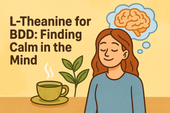
L-Theanine for BDD: Finding Calm in the Mind
Neurochemistry plays a central role in how we think, feel, and see ourselves. For those living with Body Dysmorphic Disorder (BDD), imbalances in neurotransmitters like serotonin, dopamine, and GABA can intensify anxiety, obsessive thoughts, and emotional distress. This article explores how regulating brain chemistry through supplements, mindfulness, and lifestyle changes can bring the nervous system back into harmony and restore inner calm.
-
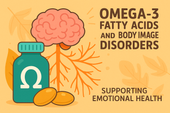
Omega-3 Fatty Acids and Body Image Disorders: Supporting Emotional Health
Omega-3 fatty acids do far more than support heart health—they nourish the brain, stabilize mood, and may ease the emotional turbulence tied to body image disorders like BDD. This in-depth article explores how omega-3s regulate serotonin, dopamine, and inflammation, helping individuals reduce obsessive thoughts and rebuild self-acceptance. It also connects nutrition to therapy, mindfulness, and nervous system balance for holistic emotional healing.
-
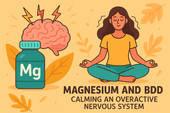
Magnesium and BDD: Calming an Overactive Nervous System
Magnesium plays a crucial role in calming an overactive nervous system—something people with Body Dysmorphic Disorder (BDD) struggle with daily. This article explores how magnesium supports relaxation, emotional regulation, and stress reduction while diving into the science behind its connection to brain chemistry. It also examines how combining magnesium supplementation with therapy and breathwork can help rebalance the body’s stress response, reduce obsessive thought patterns, and promote lasting nervous system calm.
-
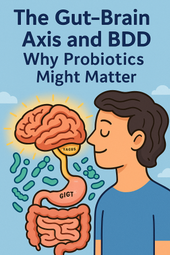
The Gut-Brain Axis and BDD: Why Probiotics Might Matter
The gut and brain are constantly in conversation — and that dialogue may shape how you experience Body Dysmorphic Disorder. By nurturing your microbiome with probiotics, prebiotics, and gut-healing nutrients, you can help rebalance serotonin, calm anxiety, and restore emotional stability from within 🧠🦠.
-
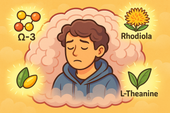
Brain Fog and Body Dysmorphic Disorder: Can Nootropic Supplements Help?
Brain fog often accompanies Body Dysmorphic Disorder, clouding focus and deepening emotional fatigue. Nootropic supplements like L-theanine, Rhodiola, and CoQ10 can help restore mental clarity, balance neurotransmitters, and bring calm energy back to the mind 🌿🧠.
-
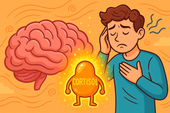
How Stress Hormones Like Cortisol May Worsen Body Dysmorphic Disorder
Chronic stress floods the brain with cortisol — the hormone that keeps you on high alert. In Body Dysmorphic Disorder, this chemical overdrive fuels anxiety, distorts self-image, and traps the body in survival mode. Calming cortisol helps restore both peace and perspective 🌿🧠.
-
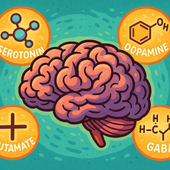
The Role of Neurotransmitters in BDD—and How Supplements May Help
Neurotransmitters like serotonin, dopamine, glutamate, and GABA shape how people with Body Dysmorphic Disorder perceive themselves. When these brain messengers fall out of balance, perception distorts — but targeted supplements can help restore calm, focus, and emotional regulation 🧠🌿.
-

What Is Body Dysmorphic Disorder? A Deeper Look at the Mind-Body Connection
Body Dysmorphic Disorder (BDD) isn’t just about appearance — it’s about perception. When brain chemistry, trauma, and stress distort self-image, the mind begins to see flaws that aren’t truly there. Healing starts by calming the nervous system and reconnecting mind and body 🪞🧠.
-

Keeping Calm in Competitive Sports: How to Train Your Mind, Body, and Chemistry for Peak Performance
Competitive pressure can overwhelm even the strongest athletes — but calm is trainable. By combining supplements like magnesium, L-theanine, and adaptogens with breathwork and mindset training, you can stay focused, balanced, and in control under any level of stress 🧠🏅.
-
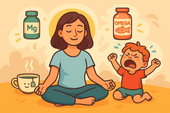
Supplements for Parents Facing Toddler Tantrums: Staying Calm When Little Emotions Run Wild
Toddler tantrums can drain even the most loving parent — but your calm is powerful. With the right supplements like magnesium, L-theanine, and ashwagandha supporting your nervous system, you can stay patient, grounded, and kind, even when emotions run high 🧸🌿.
-

Workplace Stress and Anger Management Support
Workplace stress can quickly turn into frustration — but calm is a skill you can train. By combining supplements like magnesium, L-theanine, and adaptogens with breathwork and mindset tools, you can stay focused, patient, and emotionally grounded no matter how intense the office gets 💼🌿.
-

How to Stay Patient With Family During Stressful Holidays
Holiday gatherings can stir up old stress and test your patience — but calm is possible. With nervous system support from magnesium, L-theanine, and adaptogens, plus mindful breathing and clear boundaries, you can stay centered, kind, and grounded even when family chaos unfolds 🎄💞.


