
How Ginseng Can Support Energy and Cortisol Balance
Introduction
You wake up tired, sip coffee, push through the day, and crash at night — only to repeat the same cycle tomorrow.
It’s not just fatigue; it’s a loss of balance.
Your body is designed to handle stress with grace — to rise with energy when needed and relax when the moment passes. But in modern life, that natural rhythm is often replaced by constant stimulation, deadlines, and digital overload.
Behind this exhaustion lies one key player: cortisol, your body’s main stress hormone. When cortisol stays high for too long or dips too low, energy levels crash, motivation wanes, and focus fades.
One of nature’s most respected herbs, ginseng, has been used for centuries to restore that lost balance. From ancient Chinese medicine to modern clinical studies, ginseng stands out as a natural regulator of energy, mood, and hormonal stability — especially under stress. 🌸
This article explores how ginseng works to balance cortisol, support energy, and rebuild resilience — not through stimulation, but through restoration.
Looking for supplements for This? Click here.
🌞 Understanding Cortisol and Energy
Cortisol follows a daily rhythm: high in the morning to wake you up, low at night to allow rest.
It helps regulate:
Blood sugar and metabolism
Blood pressure
Immune responses
Mental focus and alertness
When this rhythm becomes disrupted — from overwork, lack of sleep, or emotional strain — you can experience either:
High cortisol: Feeling wired, anxious, or restless but unable to rest.
Low cortisol: Feeling chronically tired, unmotivated, and foggy.
In both cases, energy becomes unstable.
The goal isn’t to suppress cortisol — it’s to bring it back into rhythm. That’s where adaptogens like ginseng come in. 🌿
🌿 What Makes Ginseng an Adaptogen

Ginseng is a root belonging to the Panax genus — the term “Panax” comes from the Greek panakeia, meaning “all-healing.”
As an adaptogen, ginseng helps the body adapt to stress — whether physical, emotional, or environmental — by stabilizing the HPA axis (the hypothalamic-pituitary-adrenal system that controls cortisol).
It doesn’t push the body in one direction; it restores equilibrium.
Unlike caffeine, which forces energy by stimulating the nervous system, ginseng gently rebuilds your capacity to produce sustainable energy — without a crash. 🌸
🌞 Types of Ginseng and Their Effects
There are several types of ginseng, each with slightly different benefits depending on their active compounds, called ginsenosides.
Panax Ginseng (Asian or Korean Ginseng)
Most stimulating of the group.
Improves physical endurance, focus, and resilience to fatigue.
Regulates cortisol and blood sugar levels.
Best for people with low energy and burnout.
Panax Quinquefolius (American Ginseng)
Calmer, more yin in energy.
Supports stress resilience and cognitive clarity.
Lowers excessive cortisol while supporting steady energy.
Ideal for anxious fatigue or high-stress lifestyles.
Siberian Ginseng (Eleutherococcus Senticosus)
Technically not true ginseng, but acts as an adaptogen.
Boosts stamina and immune function.
Excellent for physical performance and recovery.
Each type influences cortisol and energy slightly differently, but all share one core benefit: they restore physiological balance. 🌿
🌿 How Ginseng Affects Cortisol
Regulates the HPA Axis
Ginseng interacts directly with the HPA axis — the control center for stress response.
When cortisol spikes under chronic pressure, ginseng helps the brain recognize when to turn off the alarm.
Clinical studies show that ginseng can lower excessive cortisol in stressed individuals, restoring normal circadian patterns.
Balances Adrenal Function
Ginseng supports adrenal glands that have been overworked by chronic stimulation.
By improving mitochondrial efficiency inside adrenal cells, it ensures that cortisol is produced and released in a healthy rhythm — high in the morning, low at night.
Enhances Stress Resilience
Instead of suppressing the stress response, ginseng fine-tunes it.
It increases the body’s ability to handle both physical (exercise, illness) and psychological stress without overproducing cortisol.
This means less energy volatility, fewer emotional crashes, and more stable motivation. 🌸
🌞 Ginseng’s Impact on Energy and Focus
Ginseng enhances energy production at a cellular level — not by overstimulating, but by improving how your cells use oxygen and glucose.
Boosting Mitochondrial Function
Ginsenosides enhance ATP production — the molecule your body uses for energy. This leads to improved stamina and mental clarity.
Improving Blood Flow and Oxygenation
Ginseng promotes nitric oxide production, improving circulation to the brain and muscles. Better oxygen supply means more sustained energy and less fatigue.
Supporting Dopamine and Acetylcholine
Ginseng helps regulate neurotransmitters associated with motivation (dopamine) and focus (acetylcholine), leading to sharper thinking and mental endurance.
Together, these effects explain why ginseng has long been used as both a mental tonic and physical rejuvenator. 🌿
🌸 Ginseng and Cognitive Resilience
Chronic stress depletes your brain’s ability to concentrate and retain information — primarily because cortisol impairs hippocampal function (your brain’s memory hub).
Ginseng helps protect and repair these neural pathways.
Studies show that ginseng supplementation improves:
Short-term memory and recall
Mental clarity under fatigue
Reaction time and alertness
Resistance to “mental burnout”
It also enhances neuroplasticity — the brain’s ability to adapt and form new connections — making it a powerful support for focus during stressful times. 🌙
🌿 Ginseng and Blood Sugar Stability
Cortisol and blood sugar are intimately linked: when blood sugar drops, cortisol rises to restore balance.
Ginseng improves insulin sensitivity, allowing your cells to use glucose efficiently. This prevents energy crashes and the “hangry” irritability that fuels cortisol spikes.
Stable blood sugar = stable cortisol = stable focus. 🌞
🌸 Antioxidant and Anti-Inflammatory Effects
Chronic cortisol elevation increases oxidative stress — the buildup of free radicals that damage cells and slow recovery.
Ginseng’s ginsenosides and polysaccharides act as potent antioxidants, reducing inflammation and protecting your brain from cortisol-induced wear and tear.
This cellular protection is part of why ginseng promotes long-term energy — it doesn’t just fight fatigue; it heals the systems that create it. 🌿
🌞 Ginseng and Mood Regulation
Ginseng gently supports serotonin, dopamine, and norepinephrine — the neurotransmitters that govern motivation, pleasure, and calm.
Unlike caffeine or stimulants that cause abrupt spikes, ginseng balances these systems gradually.
You may notice:
Improved sense of well-being
Better emotional control under pressure
Reduced anxiety and irritability
Higher resilience to setbacks
Balanced cortisol equals balanced mood — and ginseng makes that possible by calming your neuroendocrine circuitry. 🌸
🌿 The Science Behind Ginseng and Cortisol
Modern research confirms what traditional healers observed centuries ago.
Stress Adaptation
A double-blind study found that participants given Panax ginseng showed lower cortisol levels and improved focus during stress tests compared to placebo.
Energy Metabolism
Another trial demonstrated that ginseng enhances oxygen uptake during exercise and reduces lactic acid buildup — meaning less fatigue.
Brain Protection
Neuroscientific research indicates ginseng helps regenerate hippocampal neurons damaged by stress hormones, improving both memory and cognitive function.
Ginseng doesn’t block stress — it makes your body smarter at responding to it. 🌿
🌸 Combining Ginseng with Other Nutrients for Cortisol Balance
Magnesium
Works synergistically to relax muscles, calm the nervous system, and support adrenal health.
Vitamin B Complex
Supports energy metabolism and neurotransmitter balance; essential for proper cortisol production and breakdown.
Vitamin C
Buffers the adrenal glands and protects against oxidative stress.
Taurine and L-Theanine
Enhance calm focus, complementing ginseng’s balancing effects.
Rhodiola Rosea
Pairs well for people with mental fatigue; enhances resilience and alertness without overstimulation. 🌿
Looking for supplements for This? Click here.
🌞 Best Time and Way to Take Ginseng
Dosage:
Typical range: 200–400 mg of Panax ginseng extract daily (standardized to 4–7% ginsenosides).
Beginners can start with 100 mg to assess tolerance.
Timing:
Take in the morning or early afternoon, since ginseng gently elevates energy and focus.
Avoid taking close to bedtime.
Duration:
Ginseng works best when cycled: 6–8 weeks on, followed by a 2-week break. This prevents adaptation and maintains effectiveness.
Form:
Capsules, tinctures, or tea — all effective if the extract is high-quality and standardized. 🌿
🌸 Safety and Side Effects
Ginseng is well-tolerated when used properly.
Mild side effects (rare):
Insomnia (if taken late)
Mild digestive upset
Headache in high doses
Avoid combining with large amounts of caffeine or stimulants — they can amplify alertness too much.
If you’re pregnant, have high blood pressure, or take medications for diabetes or depression, consult your healthcare provider before using ginseng regularly. 🌿
🌙 Who Benefits Most from Ginseng
People under chronic mental or physical stress
Entrepreneurs, students, and high-performers with burnout symptoms
Individuals with low motivation or brain fog
Those recovering from fatigue, illness, or adrenal imbalance
Men and women seeking hormonal resilience and steady energy
Ginseng isn’t a stimulant — it’s a stabilizer. It helps your body remember how to energize itself naturally. 🌸
🌿 Pairing Ginseng with Lifestyle Practices

To amplify ginseng’s cortisol-regulating effects:
Get morning sunlight to reset circadian rhythm.
Hydrate — dehydration amplifies cortisol.
Practice deep breathing to activate the parasympathetic nervous system.
Want to try Breathwork? Click Here.
Eat balanced meals to avoid glucose-driven cortisol spikes.
Sleep deeply — this is when cortisol naturally resets.
Ginseng supports these rhythms, but your habits teach your body how to sustain them. 🌿
🌞 How Long to See Results
1 week: Improved mental focus and mild energy lift.
2–3 weeks: Better stress tolerance, fewer emotional crashes.
4–6 weeks: Noticeable cortisol stabilization — calmer mornings, restful evenings.
8+ weeks: Enhanced stamina, mood balance, and resilience under daily pressure.
Ginseng doesn’t force quick energy — it rebuilds your capacity for it. 🌿
🌸 The Emotional Layer of Energy Balance
Stress isn’t only physical — it’s emotional.
Every unresolved worry, every self-imposed expectation, adds to cortisol’s load.
Ginseng helps because it supports more than biology — it supports adaptation.
When cortisol no longer surges with every challenge, you gain space — to breathe, to think, to choose calm over panic.
That’s not just biochemical recovery. That’s emotional freedom. 🌸
🌿 The Takeaway
Ginseng isn’t about creating artificial energy; it’s about restoring natural stability.
By modulating cortisol, nourishing your adrenals, and improving cellular energy, it transforms stress into sustainable strength.
Whether you’re rebuilding from burnout, seeking sharper focus, or simply trying to feel balanced again, ginseng offers a reminder that energy and calm can coexist — not as opposites, but as harmony.
Because true vitality isn’t about intensity. It’s about rhythm. 🌿✨
Looking for online therapy ? Click Here.
📚 References
Reay JL et al. (2005). “Panax Ginseng Improves Mental Performance and Reduces Fatigue.” Psychopharmacology, 172(4): 511–518.
Kennedy DO et al. (2001). “Effects of Panax Ginseng on Cognitive Performance and Mood.” Pharmacology Biochemistry and Behavior, 70(3–4): 651–659.
Kim HG et al. (2013). “Panax Ginseng: A Role in Stress and the HPA Axis.” Journal of Ginseng Research, 37(4): 323–333.
Bahrke MS, Morgan WP. (2000). “Evaluation of Ginseng for Its Adaptogenic Properties.” Sports Medicine, 29(2): 113–133.
Ryu J et al. (2016). “Ginseng Extract Modulates Cortisol and Oxidative Stress Under Physical Fatigue.” Nutrition Research and Practice, 10(6): 554–561.
Attele AS, Wu JA, Yuan CS. (1999). “Ginseng Pharmacology: Multiple Biochemical and Physiological Effects.” American Journal of Clinical Nutrition, 70(3): 475–480.
Hu S et al. (2019). “Ginseng Ginsenosides Improve Mitochondrial Function and Fatigue Resistance.” Frontiers in Pharmacology, 10: 723.
Panossian A, Wikman G. (2010). “Adaptogens and Stress-Response Modulation.” Phytotherapy Research, 24(10): 1551–1562.
Jeong D et al. (2020). “Ginseng and HPA Axis Modulation in Psychological Stress.” Nutrients, 12(3): 923.
Zhang H et al. (2022). “Neuroprotective Role of Ginsenosides in Cortisol-Induced Stress.” Frontiers in Neuroscience, 16: 820345.
Related Posts
-
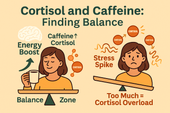
Cortisol and Caffeine: How Much Is Too Much?
Caffeine can boost energy and focus — but too much can overstimulate your stress hormones. ☕ Learn how caffeine affects cortisol, energy levels, and mood, and discover how to find the perfect balance for lasting calm and clarity. 🌿
-
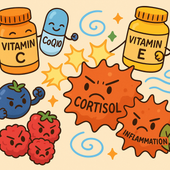
Antioxidants for Stress Management and Cortisol Control
When stress overwhelms your body, antioxidants come to the rescue. 🌿 Learn how vitamin C, CoQ10, and other natural compounds help reduce oxidative stress, regulate cortisol, and restore calm energy from within. ✨
-

Cortisol and Gut Health: How Probiotics May Help
Chronic stress doesn’t just affect your mind — it changes your gut. 🌿 Learn how cortisol disrupts the microbiome and how probiotics can help restore balance, improve digestion, and calm your stress response naturally. ✨
-

Vitamin D and Cortisol: Supporting Immune Balance
Vitamin D does more than strengthen bones — it helps regulate cortisol and support immune balance. 🌞 Learn how this essential hormone-like nutrient restores calm, improves mood, and strengthens your body’s natural stress defenses. 🌿
-
Omega-3s and Cortisol: Fighting Inflammation Naturally
Omega-3s are more than heart-healthy fats — they’re natural cortisol regulators. 🌿 Learn how EPA and DHA help reduce chronic inflammation, calm the nervous system, and support stress recovery from the inside out. ✨
-
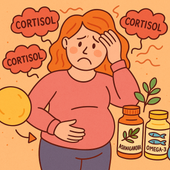
High Cortisol and Belly Fat: Can Supplements Help?
Chronic stress can make belly fat harder to lose — but supplements like ashwagandha, magnesium, and omega-3s may help restore cortisol balance. 🌿 Learn how science-backed nutrients support fat metabolism, calm your stress response, and bring your body back into harmony. ✨
-
Taurine and Cortisol: Supporting Focus Under Stress
When cortisol surges, focus fades — but taurine helps restore balance. 🌿 Learn how this powerful amino acid calms your nervous system, regulates stress hormones, and sharpens concentration without jitters or fatigue. ✨
-
The Link Between Cortisol, Brain Fog, and Nutrient Deficiencies
When brain fog sets in, it’s not just in your head — it’s in your hormones. 🌿 Discover how cortisol imbalance and nutrient deficiencies like low magnesium, B vitamins, and omega-3s can cloud your focus and how restoring balance brings back mental clarity and calm. ✨
-
B Vitamins for Stress, Energy, and Cortisol Regulation
B vitamins are the foundation of stress resilience and steady energy. 🌿 Learn how this essential group of nutrients helps regulate cortisol, restore focus, and keep your nervous system calm — giving you balance from the inside out. ✨
-
Cortisol Imbalance and Chronic Fatigue: Can Supplements Help?
When chronic stress keeps cortisol high, fatigue and brain fog follow. 🌿 Learn how to rebalance your stress hormones naturally with calming nutrients, adaptogens, and lifestyle rituals that restore energy, focus, and inner peace. ✨
-
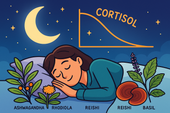
Adaptogen Stacks for Better Sleep and Lower Stress Hormones
Adaptogens can help your body recover from stress and sleep better by regulating key hormones like cortisol and adrenaline. 🌿 Learn how adaptogen stacks work to restore balance, calm the mind, and rebuild resilience — so you can rest deeply and wake renewed. ✨
-
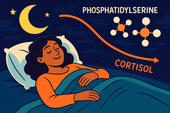
Phosphatidylserine for Nighttime Cortisol Control
When stress hormones stay high at night, deep rest becomes impossible. 🌙 Discover how phosphatidylserine helps calm the brain, reduce nighttime cortisol, and restore healthy sleep rhythms — so you can wake up peaceful, clear, and recharged. ✨
-
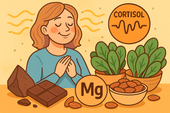
Magnesium for Stress Relief and Cortisol Reduction
Magnesium is one of the most powerful natural tools for stress relief. 🌿 This essential mineral calms your nervous system, lowers cortisol, and helps your body recover from chronic tension. Learn how magnesium replenishes balance, improves sleep, and restores inner peace — naturally. ✨
-
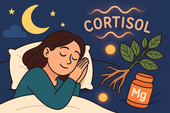
Supplements to Improve Sleep by Balancing Cortisol
When cortisol stays high at night, sleep becomes a struggle. 🌙 Discover natural supplements that calm the nervous system, lower stress hormones, and restore your body’s natural rhythm. From magnesium and ashwagandha to L-theanine and phosphatidylserine, learn how to build deeper, more restorative rest. 🌿
-
Cortisol and Sleep: Why Stress Keeps You Awake
When stress keeps your body in fight-or-flight mode, cortisol refuses to calm down — and sleep becomes impossible. 🌙 Learn how elevated cortisol disrupts your circadian rhythm, suppresses melatonin, and turns restless nights into exhaustion. Discover how to restore balance and reclaim deep rest. ✨
-
L-Theanine for Cortisol Balance and Anxiety Relief
L-Theanine — the calming amino acid from green tea — helps quiet the mind and balance cortisol, the body’s key stress hormone. 🌿 Learn how it promotes calm focus, eases anxiety, and supports deep rest without sedation, backed by modern research and centuries of tradition. ✨
-

Rhodiola Rosea and Stress Resilience: A Natural Cortisol Regulator
Rhodiola rosea is one of nature’s most powerful tools for resilience. 🌿 This Arctic root helps balance cortisol, fight fatigue, and sharpen focus — keeping you calm yet energized even under stress. Discover the science behind Rhodiola’s adaptogenic power and how it helps your body thrive under pressure. ✨
-

Ashwagandha for Cortisol Balance: What the Science Says
Ashwagandha helps your body recover from chronic stress by calming the adrenal system and balancing cortisol — your key stress hormone. 🌿 Learn what science says about this powerful adaptogen, how it restores energy and focus, and why it’s one of nature’s most effective tools for modern stress relief. ✨
-

Supplements That Naturally Lower Cortisol Levels
When cortisol levels calm, your energy transforms — no more crashes or jitters, just steady focus and inner peace. 🌿 Learn which natural supplements and habits lower stress hormones, boost calm energy, and help your body thrive with balance instead of burnout. ✨
-
What Is Cortisol Imbalance? Symptoms You Shouldn’t Ignore
Cortisol — your body’s main stress hormone — keeps you alert and energized, but when it’s out of balance, it can drain your health. 🌿 Learn the signs of cortisol imbalance, from fatigue and anxiety to sleep disruption and stubborn weight gain, and discover how to restore calm, energy, and hormonal harmony naturally. ✨
-
The Best Daily Multivitamins for Menopausal Women
Menopause brings new nutritional needs that your old vitamin routine may no longer meet. 🌿 Discover how the right daily multivitamin can boost energy, balance mood, support bone and heart health, and keep your skin glowing. Learn which nutrients truly matter — from vitamin D to magnesium and B12 — to feel strong and vibrant every day. ✨
-

Antioxidants and Menopause: Fighting Inflammation Naturally
During menopause, oxidative stress and inflammation can quietly accelerate aging, fatigue, and skin changes. 🌿 Learn how antioxidants — from vitamins C and E to polyphenols in berries and green tea — help neutralize free radicals, reduce inflammation, and restore balance naturally. Discover the science of radiant, resilient aging. ✨
-

How CoQ10 Supports Heart Health After Menopause
After menopause, heart health becomes more important than ever. ❤️ Discover how CoQ10 — your body’s natural energy molecule — supports cardiovascular strength, restores vitality, and protects against oxidative stress. Learn how this essential nutrient helps keep your heart energized, balanced, and resilient through every stage of life. 🌿
-

Collagen Supplements for Skin and Joint Health Post-Menopause
After menopause, collagen loss affects both skin elasticity and joint comfort — but supplements can help rebuild from within. 🌸 Learn how collagen peptides, vitamin C, and other nutrients work together to restore firmness, reduce stiffness, and keep you glowing and mobile well into your next chapter. ✨
-

Calcium and Vitamin D: Protecting Bone Health in Menopause
Menopause brings hormonal changes that can weaken bones—but with the right nutrients, strength and stability can be rebuilt. 🦴 Learn how calcium and vitamin D work together to protect bone density, prevent fractures, and keep your body resilient. This guide explores nutrition, sunlight, and lifestyle habits that help your bones stay strong and vibrant for years to come. ☀️💪
-

Adaptogens for Energy and Resilience During Menopause
Feeling drained or emotionally scattered during menopause? 🌿 Discover how adaptogenic herbs like Ashwagandha, Rhodiola, and Ginseng can restore energy, balance cortisol, and build emotional resilience. Learn how these natural allies work with your body—not against it—to help you stay strong, focused, and calm through life’s hormonal changes. 🌸
-

Supplements That Help Beat Menopause Fatigue
Menopause fatigue can feel like more than tiredness—it’s a total energy crash. This guide explores how specific supplements, mindful breathwork, and therapy can help restore balance. Learn how nutrients like B vitamins, magnesium, and adaptogens rebuild your stamina, while breathwork and emotional healing calm your nervous system and bring vitality back to your days. 🌿✨
-

Herbal Blends for Menopausal Restlessness: Finding Calm in Transition
Herbal blends bring the wisdom of nature into moments of rest and renewal. Discover how soothing herbs like chamomile, lemon balm, and ashwagandha work together to calm menopausal restlessness, balance hormones, and invite deep relaxation. 🌿💫
-

Magnesium + Glycine for Deep Sleep During Menopause
Nutrients like magnesium, glycine, and B vitamins form the foundation for deep, restorative sleep during menopause. Discover how these natural compounds calm your nervous system, balance hormones, and help you wake up refreshed and recharged. 🌿💤
-

Melatonin and Menopause: Restoring Your Sleep Cycle
Nutrients are the foundation of hormone balance and energy. Learn how vitamins, minerals, and whole foods like greens, salmon, and berries nourish women’s bodies during menopause and beyond — restoring vitality, mood, and strength. 🌿🥗
-

How L-Theanine Helps With Menopausal Anxiety
Science continually deepens our understanding of the human body, from hormones to neurotransmitters. Discover how evidence-based research shapes modern wellness — bridging natural medicine, neuroscience, and hormone balance for healthier living. 🔬🌿
-

Can Ginkgo Biloba Improve Memory in Menopausal Women?
Hormone therapy can be a powerful tool for easing menopause symptoms and restoring balance. Learn how it works, the types available, and how to combine it safely with lifestyle and natural support for optimal well-being. 🌸💊
-

B Vitamins for Mental Clarity During Menopause
Nutrients are the foundation of mental and physical balance during menopause. Discover how vitamins, minerals, and whole foods like leafy greens, fish, nuts, and citrus can fuel energy, clarity, and calm while supporting hormonal health. 🌿✨
-

Mood Swings and Menopause: Natural Nutrient Support
Probiotics do more than support digestion — they help balance mood, hormones, and immunity too. Learn how a healthy gut microbiome can ease menopause symptoms, boost energy, and improve emotional resilience naturally. 🌿🦠
-

Brain Fog in Menopause: Supplements That May Help
Supplements can be powerful allies in restoring balance, energy, and focus—especially during menopause. Learn how nutrients like omega-3s, vitamin D, magnesium, and herbal adaptogens work together to support brain health, reduce stress, and promote lasting vitality. 🌿💊
-

Adaptogen Stacks for Reducing Night Sweats
Hormone detox isn’t about cleansing your body—it’s about restoring flow. Learn how the liver, gut, and endocrine systems work together to eliminate hormone buildup and how herbs like milk thistle, dandelion, and schisandra support balance, clarity, and natural vitality. 🌿💫
-
Cooling Menopause Symptoms with Herbal Support
Ashwagandha is one of nature’s most powerful adaptogens, helping women manage stress, sleep better, and balance hormones naturally. Discover how this ancient root supports calm energy, emotional resilience, and relief from menopause-related anxiety and fatigue. 🌿💫
-

Evening Primrose Oil and Menopause: What the Research Says
Hot flashes are one of the most common—and frustrating—symptoms of menopause. Discover what causes them, why the body’s “internal thermostat” becomes unbalanced, and the natural supplements and lifestyle shifts that can help you cool down, rest better, and feel more in control. 🔥💧
-

How Black Cohosh Helps with Menopausal Symptoms
Sleep disturbances are among the most exhausting symptoms of menopause—but they don’t have to rule your nights. Discover how natural strategies and calming supplements can help you fall asleep faster, stay asleep longer, and wake up feeling truly restored. 🌙💤
-

Natural Supplements That May Reduce Hot Flashes
Hot flashes can disrupt sleep, confidence, and daily comfort—but natural relief is possible. Discover the best research-backed supplements like black cohosh, red clover, and licorice root that may reduce hot flashes, balance hormones, and restore inner calm during menopause. 🌿💫
-

Omega-3s and Menopause: Supporting Mood and Inflammation
Omega-3 fatty acids are essential for hormonal harmony, brain function, and emotional balance—especially during menopause. Learn how these healthy fats reduce inflammation, support heart health, and restore calm, vitality, and focus through every stage of midlife. 🌊💫
-

The Role of Vitamin D in Menopausal Health
Vitamin D plays a powerful role in menopausal health—supporting bone strength, hormone balance, and mood stability. Discover how optimizing your vitamin D levels can improve sleep, energy, and emotional well-being while protecting long-term vitality through every stage of menopause. 🌞💪
-
Magnesium for Menopause: Relaxation, Sleep, and Hormonal Support
Self-regulation is the art of staying calm, centered, and in control—no matter what life throws your way. Learn how to strengthen emotional balance, manage stress responses, and cultivate inner peace through mindful techniques that reconnect your heart, body, and brain. 🌿💫
-

Can Adaptogens Like Ashwagandha Ease Menopausal Symptoms?
Brain fog during menopause can make even simple tasks feel overwhelming—but you’re not losing your sharpness, your hormones are simply shifting. Discover how adaptogens like ashwagandha and key nutrients can restore mental clarity, balance cortisol, and bring calm focus back to your day. 🌿🧠
-

Supplements That Support Hormonal Balance During Menopause
Herbal supplements have supported women’s health for centuries—and modern science is finally catching up. From ashwagandha and maca to red clover and rhodiola, discover how nature’s most trusted herbs can calm stress, balance hormones, and enhance energy through every life stage. 🌿✨
-
The Ultimate Motivation Stack: Supplements That Work Together
Discover how therapy helps restore motivation, focus, and emotional balance alongside supplement and mindset strategies. This empowering article explores how addressing thought patterns and emotional blocks through therapy can complement biochemical tools for long-term drive and well-being. 🧠💬
-

Entrepreneurial Drive: Can Supplements Help You Avoid Burnout?
Entrepreneurship demands energy, creativity, and mental resilience—but without balance, it leads to burnout. This in-depth article explores how nootropic supplements, adaptogens, and mindset tools can help entrepreneurs sustain motivation, manage stress, and keep their drive sharp for the long haul. 🚀💼
-

Supplements for Students: Staying Motivated Through Exams
Feeling burned out before finals? Discover how the right supplements can help students stay focused, calm, and motivated through exam season. This guide explores science-backed nutrients, brain-boosting herbs, and mindset tools that fuel clarity, memory, and stress resilience when it matters most. 🎓⚡
-
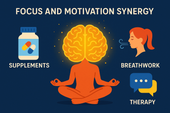
How Nootropic Stacks Can Enhance Drive and Focus Together
Discover how nootropic stacks can reignite both your drive and focus by balancing key neurotransmitters like dopamine and acetylcholine. This in-depth guide explores the science behind motivation, how supplements enhance cognitive performance, and how breathwork and therapy complete the picture for lasting mental clarity. 🧠✨
