
Holy Basil (Tulsi) and Emotional Self-Regulation
🌿 Introduction: Finding Balance in Emotional Storms
We live in an age of overstimulation — constant notifications, emotional triggers, and internal pressure to stay “in control.”
But control isn’t the same as regulation.
True emotional self-regulation means staying connected to your inner experience while responding with awareness rather than impulse. It’s the ability to feel deeply without being overwhelmed.
For thousands of years, the herb Holy Basil (Ocimum sanctum) — also called Tulsi — has been used in Ayurvedic medicine to cultivate that balance.
Tulsi is not merely a calming herb; it’s considered a rasayana, a rejuvenator for the body, mind, and spirit.
Modern science now confirms what ancient healers observed: Tulsi stabilizes mood, balances stress hormones, and enhances cognitive clarity — supporting the biological foundation of emotional regulation.
This article explores how Holy Basil works on a biochemical, neurological, and emotional level to help you remain grounded and compassionate, even in challenging moments.
Looking for supplements for Brain Fog? Click here.
🧘 Section 1: Emotional Regulation as a Mind-Body Process
Emotional regulation isn’t just psychological; it’s biological.
Every emotional wave you experience — anger, fear, joy, anxiety — corresponds to shifts in hormones, neurotransmitters, and nervous system patterns.
When these systems are in balance, emotions pass fluidly through awareness.
When they’re dysregulated — through chronic stress, poor sleep, or trauma — emotions get “stuck” in reactive loops.
Your autonomic nervous system (ANS) has two branches:
The sympathetic (fight or flight) — prepares you for action.
The parasympathetic (rest and restore) — brings calm and reflection.
Emotional regulation requires flexibility between these two states, and Tulsi supports that flexibility by nourishing both the nervous and endocrine systems.
🌸 Section 2: What Is Holy Basil (Tulsi)?
Holy Basil (Ocimum sanctum) is a small aromatic plant native to India, often grown near temples and used in spiritual and medicinal rituals.
In Ayurveda, Tulsi is called “The Incomparable One.” It’s considered sacred because it harmonizes body, mind, and spirit — the three aspects of holistic health.
Traditional Uses:
Calming the nerves
Improving focus during meditation
Supporting digestion and respiratory function
Reducing fatigue and uplifting mood
Tulsi tea has long been a daily ritual for emotional balance — a way to greet stress with serenity rather than suppression.
🌿 Section 3: The Science of Holy Basil and Emotional Regulation

Modern studies reveal that Tulsi is an adaptogen — a natural substance that helps the body adapt to stress and maintain homeostasis.
Its effects on emotional regulation arise from three main biological pathways:
🧠 Neurotransmitter Balance
Tulsi influences serotonin, dopamine, and GABA — the neurotransmitters responsible for mood, motivation, and calm.
Serotonin: Promotes emotional stability and resilience.
Dopamine: Supports motivation and reward sensitivity.
GABA: Acts as a natural tranquilizer for an overactive mind.
Together, they create a biochemical environment where emotional waves can be felt — but not feared.
⚖️ Cortisol Regulation
Chronic stress keeps cortisol elevated, which disrupts sleep, focus, and mood.
Tulsi lowers cortisol through modulation of the HPA axis (hypothalamic–pituitary–adrenal), the body’s central stress control system.
With regular use, this means:
Fewer adrenaline spikes during emotional stress
Quicker recovery after emotional upheaval
Greater sense of safety in your own body
💫 Antioxidant and Anti-Inflammatory Protection
Inflammation in the brain and gut has been linked to anxiety, depression, and emotional volatility.
Tulsi’s polyphenols and flavonoids — especially eugenol, apigenin, and rosmarinic acid — reduce oxidative stress, protecting neurons and supporting clear cognitive processing.
This translates into fewer reactive emotional spirals and more space between feeling and action.
Looking for supplements for Brain Fog? Click here.
🌼 Section 4: The Emotional Benefits of Tulsi
🧘 Calming Emotional Overreactions
Tulsi softens the body’s “fight-or-flight” response. It doesn’t sedate — it grounds.
This calm alertness supports awareness, allowing you to observe anger or anxiety as sensations rather than identities.
“Instead of reacting to emotion, you start to relate to it.”
💞 Enhancing Compassion and Patience
Tulsi increases parasympathetic tone, which enhances empathy and interpersonal understanding.
A calm nervous system makes compassion possible — for others and for yourself.
🌙 Supporting Restorative Sleep
Better sleep = better regulation.
Tulsi’s natural effect on cortisol and melatonin balance helps you rest deeply, so the brain’s emotion-processing centers (amygdala and hippocampus) can restore overnight.
🌄 Improving Focus and Clarity
Emotionally regulated people think clearly under pressure.
Tulsi enhances blood flow to the prefrontal cortex, the brain’s decision-making center — supporting reflective action over impulsive reaction.
🌿 Section 5: The Spiritual Side of Tulsi
In Ayurvedic philosophy, Tulsi represents sattva — the quality of harmony, balance, and truth.
It’s considered the “herb of devotion,” used to clear energetic and emotional blockages.
Spiritually, Tulsi is said to:
Purify the aura and uplift the mood
Encourage forgiveness
Strengthen awareness of breath and heart connection
In modern psychological terms, this mirrors the integration of awareness and emotion — the foundation of emotional regulation.
🌬️ Section 6: Breathwork + Tulsi for Nervous System Balance
Tulsi stabilizes the chemical rhythm of the body; breathwork stabilizes its rhythm.
Combining both creates deep coherence between mind and physiology.
🌾 Coherent Breathing (5–5 Pattern)
Inhale for 5 seconds, exhale for 5 seconds.
💫 Effect: Lowers cortisol and heart rate.
🌿 Pair with: Tulsi tea in the morning.
🌸 4-7-8 Breathing
Inhale 4 → Hold 7 → Exhale 8.
🧘 Effect: Shifts body into parasympathetic calm.
🌿 Pair with: Evening Tulsi capsule or tincture.
🌼 Alternate Nostril Breathing
Balances the brain’s hemispheres.
💫 Effect: Enhances focus and emotional integration.
🌿 Pair with: Tulsi tea before meditation.
Want to try Breathwork? Click Here.
✍️ Section 7: Journaling Prompts for Emotional Awareness
Tulsi opens emotional awareness — journaling helps translate it into growth.
“What emotion am I resisting right now?”
“How does my body feel when I experience calm?”
“When do I notice my patience fading — and what restores it?”
“What would emotional balance look like for me today?”
🪷 Combine with: Tulsi tea or tincture and soft music to deepen reflection.
💬 Section 8: Therapy and Emotional Regulation with Tulsi
Herbs like Tulsi support the biology of regulation; therapy supports its psychology. Together, they create lasting transformation.
❤️ Compassion-Focused Therapy (CFT)
CFT helps reduce shame and self-criticism.
🌿 Tulsi enhances the physiological calm needed to practice self-compassion.
🧩 Acceptance and Commitment Therapy (ACT)
ACT teaches acceptance of internal states without avoidance.
🌿 Tulsi supports the patience and non-reactivity required to observe emotion without judgment.
🧘 Mindfulness-Based Cognitive Therapy (MBCT)
Combines awareness with thought reframing.
🌿 Tulsi helps sustain calm attention and reduces overactivation during self-observation.
💫 Somatic Therapy
Teaches you to locate emotions in the body and release them safely.
🌿 Tulsi supports parasympathetic dominance, increasing body trust and sensitivity.
Looking for online therapy ? Click Here.
🌼 Section 9: How to Take Tulsi
☕ Tulsi Tea
Steep 1–2 tsp dried leaves or 1 teabag in hot water for 5–10 minutes.
Drink 1–2 cups daily for calm alertness.
💊 Tulsi Capsules
400–800 mg standardized extract daily.
Look for organic, full-spectrum formulations.
🌿 Tulsi Tincture
30–40 drops in water, once or twice a day.
Excellent for quick emotional grounding during stress.
🍯 Tulsi with Honey (Traditional Ayurvedic Method)
Mix Tulsi leaf powder with raw honey.
Take 1 teaspoon before meditation or journaling.
🪷 Section 10: Daily Tulsi Ritual for Emotional Regulation
| Time | Practice | Supplement | Purpose |
|---|---|---|---|
| 🌅 Morning | Breathwork + Tulsi tea | 1 cup | Set emotional tone for day |
| ☀️ Midday | Mindful pause or journaling | Tulsi capsule | Prevent reactivity |
| 🌇 Evening | Gentle stretching + gratitude reflection | Tulsi tea | Transition to calm |
| 🌙 Bedtime | 4-7-8 breathing + reflection | Tincture (optional) | Deep emotional rest |
These rituals transform Tulsi from a supplement into a practice of awareness.
🌿 Section 11: Nutrition and Synergy
For Tulsi to work optimally, pair it with an anti-inflammatory, whole-food diet rich in:
Omega-3s (salmon, chia, flax) 🐟
Magnesium (leafy greens, nuts, seeds) 🌱
B vitamins (whole grains, legumes) 🍞
Adaptogens (Ashwagandha, Rhodiola) 🌿
Avoid:
Excess caffeine (increases cortisol)
Processed sugar (spikes reactivity)
Alcohol (impairs sleep and mood regulation)
Tulsi creates the internal ground; nutrition provides the structure on which calm can grow.
🌸 Section 12: The Heart-Brain Connection
Tulsi strengthens heart-brain coherence — the physiological synchrony between your heartbeat and emotional awareness.
When your heartbeat is erratic, emotional regulation feels impossible.
When it’s rhythmic and stable, awareness expands.
Studies show Tulsi enhances heart rate variability (HRV) — a measure of resilience and emotional flexibility.
“When your heart beats with rhythm, your emotions flow with grace.”
🌺 Section 13: Emotional Regulation in Practice
When used consistently, Tulsi gently retrains your nervous system:
You pause before reacting.
You sense anger building earlier.
You recover faster from disappointment.
You begin to respond from understanding instead of instinct.
That’s not suppression — it’s sovereignty.
🌙 Section 14: Safety and Considerations
Tulsi is considered one of the safest adaptogens, but always:
Avoid during pregnancy unless cleared by a doctor.
Monitor if you take blood-thinning or hypoglycemic medication.
Start low and increase gradually.
🌿 Rule of thumb: Start with one daily cup of Tulsi tea and observe your energy, sleep, and emotional tone over two weeks.
🌈 Section 15: The Symbolism of Tulsi
In Indian homes, Tulsi plants are often kept at the center — symbolizing harmony, purification, and the heart’s awakening.
On a deeper level, Tulsi teaches what emotional self-regulation truly means:
Not the absence of feeling, but the capacity to feel safely and stay present.
As you build a relationship with Tulsi, emotional storms become opportunities for growth — not threats to your peace.
🧠 Section 16: The Future of Herbal Emotional Medicine
Researchers are now exploring how adaptogens like Tulsi influence emotional circuits in the brain — especially the amygdala, prefrontal cortex, and vagus nerve.
Preliminary findings suggest Tulsi could complement psychotherapeutic interventions by improving physiological regulation and emotional resilience.
In the coming years, we may see “bio-mindfulness protocols” that combine herbs like Tulsi with therapy and breathwork — a holistic approach to emotional intelligence.
🌿 Section 17: Integration — From Reaction to Awareness
Tulsi doesn’t numb you; it nurtures your nervous system so awareness can grow.
It reminds you that peace is not the absence of emotion, but the space between emotion and reaction.
With consistent practice, Tulsi becomes a living metaphor: rooted in earth, flexible in the wind, fragrant under pressure.
“To be emotionally regulated is to bend like Tulsi — never breaking, always returning to center.” 🌿
🧘 Key Takeaways
✅ Holy Basil (Tulsi) is an adaptogen that balances cortisol, serotonin, and GABA.
✅ It supports emotional self-regulation through calm awareness, not suppression.
✅ Combine with breathwork, journaling, and mindfulness for holistic results.
✅ Tulsi teaches the art of staying rooted in calm — even when life moves fast.
📚 References
Jamshidi, N. & Cohen, M. M. (2017). The clinical use of Holy Basil (Tulsi) in the prevention and treatment of stress and metabolic disorders. J Ayurveda Integr Med.
Bhattacharyya, D. et al. (2008). Clinical evaluation of anxiolytic activity of Ocimum sanctum. Indian J Pharmacol.
Mondal, S. et al. (2009). Neuroprotective role of Ocimum sanctum in stress adaptation. Pharmacognosy Reviews.
Cohen, M. M. (2014). Tulsi—A herb for all reasons. J Ayurveda Integr Med.
Panossian, A. & Wikman, G. (2010). Effects of adaptogens on the central nervous system and the immune system. Pharmaceuticals.
Gilbert, P. (2014). Compassion Focused Therapy. Routledge.
Hayes, S. C. et al. (2011). Acceptance and Commitment Therapy. Guilford Press.
Nagendra, H. R., & Telles, S. (2010). Breathwork and neurophysiology. Int J Yoga.
Related Posts
-
Natural Pre-Workout Supplements for Motivation and Mental Sharpness
Adaptogens are nature’s stress balancers 🌿 — powerful herbs like Ashwagandha, Rhodiola, and Holy Basil that help your body stay calm, focused, and resilient. By regulating cortisol and supporting energy balance, they boost motivation, endurance, and emotional stability — naturally. 🌞🧠
-
The Role of Vitamin D in Mental Drive and Ambition
Motivation is more than mindset — it’s energy in motion ⚡🧠. It comes from a balance of biology, emotion, and purpose. When your brain, body, and habits align, drive becomes effortless. Learn how to spark consistency, overcome dips, and build unstoppable momentum naturally. 🌿✨
-
Serotonin, Dopamine, and Motivation: Can Supplements Really Help?
Ginseng is the ultimate vitality root 🌿⚡ — long praised for enhancing focus, energy, and motivation without the crash. By balancing stress hormones, boosting dopamine, and improving brain oxygenation, this adaptogenic powerhouse helps you feel clear, strong, and ready to take action. 🧠✨
-
How Ginseng Helps Support Drive, Motivation, and Energy
Ginseng is nature’s endurance root 🌿⚡ — a timeless adaptogen that fuels focus, drive, and resilience from the inside out. By balancing cortisol, boosting dopamine, and supporting mitochondrial energy, ginseng helps you feel clear, strong, and steady — no crash, just sustainable vitality. 🧠✨
-
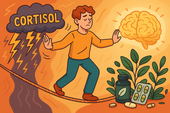
The Stress–Motivation Connection: Supplements That Balance Cortisol
Vitamin D — the “sunshine nutrient” ☀️ — plays a crucial role in mental health, motivation, and energy regulation. Low levels can lead to fatigue, low mood, and sluggish focus. Learn how sunlight, nutrition, and supplementation can restore your inner light and boost emotional balance naturally. 🌿🧠
-
When Low Mood Drains Your Drive: Natural Support Options
Vitamin D is more than the “sunshine vitamin” ☀️ — it’s a key player in mood, motivation, and overall brain health. Low levels can lead to fatigue, low drive, and seasonal sadness. Learn how sunlight, supplements, and nutrition can help restore balance and lift your emotional energy naturally. 🌿🧠
-

How Adaptogenic Herbs Help You Stay Consistent
Adaptogens are nature’s resilience enhancers 🌿. From Ashwagandha to Rhodiola and Holy Basil, these herbs help your body adapt to stress, balance cortisol, and maintain steady energy. Learn how they build inner stability — keeping your focus, mood, and motivation consistent through life’s ups and downs. ⚡🧘
-
Can Creatine Boost Mental Drive as Well as Physical Performance?
IQ, or intelligence quotient, measures more than problem-solving — it reflects how efficiently your brain processes, adapts, and connects ideas 🧠⚡. While genetics play a role, lifestyle, nutrition, and brain health all influence cognitive performance. Learn how to support mental sharpness and cognitive growth naturally. 🌿✨
-
The Link Between Gut Health and Motivation: Probiotics Explained
Serotonin — the “feel-good” neurotransmitter 🌞 — plays a powerful role in mood, motivation, and overall emotional balance. Produced mostly in the gut, it connects digestion, happiness, and focus through the gut-brain axis. Learn how to naturally support serotonin for calmer energy and lasting motivation. 🌿✨
-
How B Vitamins Fuel Motivation and Energy at the Cellular Level
B vitamins are the body’s natural energy engines ⚡. They convert food into fuel, support dopamine for motivation, and power brain cells at the mitochondrial level. From B1 to B12, these nutrients help you stay focused, resilient, and full of drive — every single day. 🌿🧠
-
Supplements That Support Mental Endurance for Long Projects
Mindset is more than motivation — it’s the mental framework that shapes how you respond to challenges and pursue goals 🌿🧠. A growth mindset turns obstacles into opportunities, while a fixed mindset fuels self-doubt. Learn the science behind mental resilience and how to cultivate a mindset that sustains focus, creativity, and long-term success. ✨
-
How Omega-3s Influence Drive, Creativity, and Problem-Solving
Sleep isn’t just rest — it’s the foundation of mental clarity, emotional balance, and motivation 🌙💤. During deep sleep, your brain resets stress hormones, consolidates memory, and clears away mental fog. Learn how better sleep supports neuroplasticity, creativity, and lasting energy for your day. 🌿✨
-
Can Magnesium Improve Your Focus and Motivation?
Caffeine is the world’s favorite stimulant ☕ — boosting alertness, sharpening focus, and lifting motivation within minutes. But there’s real science behind that morning cup. Learn how caffeine works on adenosine and dopamine, how to avoid the crash, and how to use it strategically for sustained energy and mental performance. ⚡🧠
-
The Role of L-Theanine and Caffeine in Daily Motivation
Cortisol — often called the “stress hormone” — is both your alarm system and your reset button ⚡. It keeps you alert in the morning and helps you recover after challenges, but when it stays high too long, it drains your mood and energy. Learn how to balance cortisol naturally for steady focus, calm, and motivation. 🌿
-
Supplements That Support Dopamine for Drive and Reward
Curcumin — the golden compound in turmeric — is more than a spice 🌿✨. It’s a powerful anti-inflammatory that protects dopamine neurons, supports brain clarity, and enhances mood. Learn how curcumin’s antioxidant properties help stabilize energy, reduce brain fog, and promote emotional resilience naturally. 🌼
-
Brain Fog vs Lack of Motivation: What’s Really Holding You Back?
Hormones are the body’s invisible messengers — shaping energy, mood, focus, and motivation 🧠🌿. When they’re balanced, you feel clear, confident, and emotionally steady. Learn how key hormones like cortisol, serotonin, dopamine, and estrogen interact to influence your mental well-being and what you can do to keep them in harmony naturally. ✨
-

Supplements for Staying Collected During Disagreements
Science helps us understand why we feel, react, and change 🌿🧠. From brain chemistry to neurotransmitters and hormones, every emotional response has a biological root. Explore how research in neuroscience and psychology reveals practical ways to stay balanced, focused, and emotionally strong in daily life. 🔬✨
-

Managing Anger While Traveling
Supplements can help calm your nervous system and keep your emotions balanced while on the go 🌿. From magnesium and ashwagandha to L-theanine and omega-3s, learn how natural nutrients support stress resilience, focus, and emotional control — even through long flights, delays, and unpredictable travel days. ✈️
-

How to Keep Your Temper in Online Debates
Supplements can do more than fill nutritional gaps — they can help balance your energy, focus, and stress response naturally 🌿. From adaptogens to amino acids, the right nutrients support your brain chemistry and hormonal harmony for calm, steady productivity. Discover how supplements can build long-term resilience without the crash. ⚡🧠
-

Supplements to Stay Calm Before Public Speaking
Breathwork is one of the simplest yet most powerful tools for calming pre-performance stress 🌬️. By slowing and deepening your breathing, you lower cortisol, steady your heartbeat, and re-center your mind. Learn the science behind how controlled breathing activates your parasympathetic nervous system — helping you speak, perform, or focus with grounded confidence. 🌿
-

How to Handle Customer Service Stress Without Losing Your Cool 💬🧘♀️
Customer service can test even the calmest person’s patience. 😤 Learn how to handle difficult clients and daily pressure without losing your cool — through better mindset management, calming breathwork, and practical communication tools. Stay grounded, protect your energy, and transform stress into strength. 🌿
-
How Adaptogens Like Ashwagandha Keep You Motivated Under Stress
Feeling overwhelmed and unmotivated? 🌿 Discover how adaptogens like Ashwagandha can help you stay centered, focused, and energized under stress. Learn how supplements, breathwork, and therapy work together to restore your natural motivation and help you thrive — even during life’s toughest moments. 💪✨
-
Supplements That Support Long-Term Productivity Without the Crash ⚡🌿
Cortisol — your body’s main stress hormone — can be both your best friend and worst enemy. ⚡ When balanced, it keeps you focused, energized, and ready to act. But when it stays high for too long, it leads to fatigue, anxiety, and emotional crashes. Learn how to regulate cortisol naturally through supplements, sleep, and stress management to maintain calm, steady productivity. 🌿
-

Why Energy Levels and Motivation Go Hand in Hand ⚡🧠
B-vitamins are the brain’s spark plugs 🔋. They turn food into fuel, support neurotransmitter production, and keep your mood, energy, and focus balanced. Learn how vitamins like B6, B9, and B12 work together to power the nervous system, reduce fatigue, and keep motivation high. 🌿
-
The Science of Motivation: Can Nootropics Help You Stay Focused? 🧠⚡
Nootropics are nature’s tools for sharper thinking and sustainable focus 🧠🌿. From Rhodiola and Lion’s Mane to L-theanine and Bacopa, these brain-boosting compounds enhance motivation, memory, and stress resilience. Learn the science behind how nootropics work — and how to use them safely for peak mental performance and clarity. ⚡
-
How Natural Supplements Can Boost Your Daily Drive
Cortisol is your body’s main stress hormone — powerful, necessary, but often misunderstood. ⚡ When balanced, it keeps you alert and energized; when chronically elevated, it drains mood, motivation, and focus. Learn how to regulate cortisol naturally through nutrition, supplements, and calming lifestyle habits for steady energy and emotional balance. 🌿
-
Ashwagandha for Stress and Low Mood
Breathwork is more than a relaxation tool — it’s a way to rewire your nervous system. 🌬️ Through intentional breathing, you can reduce stress hormones, improve focus, and calm emotional turbulence. This guide explores the science of breathwork and its powerful effects on mental clarity, resilience, and emotional regulation. 🌿
-
Mood-Boosting Smoothie Recipes
Your blood sugar affects far more than energy — it influences mood, focus, and emotional stability too 🍎. Learn how maintaining balanced glucose levels supports brain health, reduces anxiety, and prevents emotional crashes. Discover the foods and habits that keep your mind calm and your energy steady throughout the day. 🌿
-
How Healthy Fats Support Brain Function
Your brain thrives on healthy fats 🧠💧. From omega-3s to MCTs, the right fats enhance focus, memory, and mood while protecting against inflammation and aging. This article explores how good fats — like those from olive oil, salmon, avocado, and nuts — build sharper thinking, emotional balance, and lasting brain vitality. 🌿
-
The Role of Protein in Mental Clarity
Protein isn’t just for muscles — it’s for your mind. 🧠 This guide explores how amino acids from high-quality protein fuel neurotransmitters, stabilize mood, and sharpen focus. Learn how balanced protein intake supports dopamine, serotonin, and energy regulation to boost mental clarity and emotional stability naturally. 🍳🌿
-
Nutrients That Support Emotional Stability
Your emotions are built from nutrients as much as from thoughts 🌿. This science-backed guide reveals the vitamins, minerals, and healthy fats that stabilize mood and reduce stress — from B-vitamins and magnesium to omega-3s and probiotics. Learn how balanced nutrition supports neurotransmitters, strengthens resilience, and promotes lasting calm and clarity 🧠✨.
-
How Caffeine Affects Your Mood ☕
Your morning coffee might lift your spirits — but what’s really happening inside your brain? ☕ This in-depth guide explores how caffeine affects mood, motivation, dopamine, and stress. Learn how to enjoy caffeine mindfully without triggering anxiety, burnout, or emotional crashes. Discover the science behind your energy highs and lows — and how to find calm, sustainable focus. 🌿
-
The Best Anti-Inflammatory Diet for Mental Health
Inflammation doesn’t just affect your body — it impacts your mood, focus, and emotional resilience too 🌿. This comprehensive guide reveals how an anti-inflammatory diet can support mental health by reducing neuroinflammation, balancing gut bacteria, and stabilizing blood sugar. Learn which foods to eat (and which to avoid) to protect your brain, boost serotonin, and promote lasting calm. 🧠✨
-

Why Sugar Spikes Can Worsen Depression
Sugar highs can make you feel good for a moment — but what comes next can fuel emotional crashes and deepen depression 🍭. This article explains how blood sugar spikes disrupt brain chemistry, increase inflammation, and destabilize serotonin. Learn how food, supplements, breathwork, and therapy can help you break the sugar–mood cycle and restore lasting emotional balance 🌿.
-
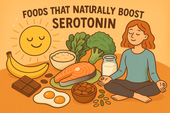
Foods That Naturally Boost Serotonin
Serotonin isn’t just a brain chemical — it’s your body’s built-in mood stabilizer 🌞. This in-depth guide explores how natural foods like salmon, eggs, bananas, and dark chocolate can elevate serotonin levels, while gut health, key nutrients, supplements, breathwork, and therapy create the perfect synergy for calm and emotional balance. Learn how to support your mind through diet, lifestyle, and mindset — naturally. 🌿
-
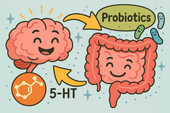
Probiotics for Mood Balance
-
B-Vitamins and Their Role in Mental Health
Methylation is one of your body’s most important biochemical processes — influencing mood, energy, and focus. Powered by B-vitamins like B6, B9, and B12, it helps your brain create serotonin, detox efficiently, and maintain emotional balance. 🌿
-
5-HTP for Serotonin Support
Calm isn’t just an emotion — it’s a physiological state where your body and mind finally sync in peace. By slowing your breath, softening your thoughts, and creating safety within, you restore the deep relaxation your nervous system craves. 🌿
-

St. John’s Wort for Mild Depression
Antidepressants can be life-changing for many — but understanding how they work and what natural options like St. John’s Wort can complement them is key. Learn how both approaches affect brain chemistry, mood balance, and long-term emotional wellness. 🌿
-
SAM-e: A Natural Mood Booster
Emotional regulation is the art of staying calm and grounded, even when life feels chaotic. By balancing your brain, body, and breath, you can respond with clarity instead of reacting from stress — building real emotional resilience and inner peace. 🌿
-

Rhodiola Rosea for Emotional Resilience
Neuroplasticity is your brain’s ability to grow, adapt, and heal — even after stress or trauma. Every thought, emotion, and habit reshapes your neural pathways, helping you build stronger emotional resilience, sharper focus, and lasting mental balance. 🌿
-
Ashwagandha for Stress and Low Mood
Adaptogens are nature’s stress balancers — powerful herbs like ashwagandha, rhodiola, and reishi that help your body adapt to tension, fatigue, and change. By regulating cortisol and supporting your nervous system, they build calm focus and emotional resilience from the inside out. 🌙
-
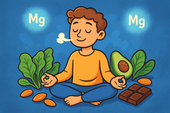
Magnesium’s Role in Emotional Regulation
Neuroscience helps us understand why we feel, think, and react the way we do. From brain chemistry and neural circuits to stress responses and emotional learning, the science of the brain reveals how our minds can heal, grow, and find balance. 🌿
-
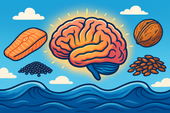
Omega-3 Fatty Acids and Emotional Well-Being
Nutrients aren’t just fuel — they’re communication signals that tell your brain and body how to function. From magnesium and vitamin D to omega-3s and B vitamins, the right mix of nutrients helps calm your mind, balance hormones, and support emotional and physical well-being. 🌙
-
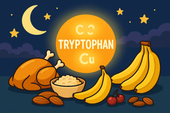
The Role of Tryptophan in Sleep Health
Mental health isn’t just the absence of illness — it’s the foundation of calm, focus, and emotional resilience. From managing stress and anxiety to nurturing self-compassion, understanding your mental well-being is the first step toward a balanced, more peaceful life. 🌿
-

Nutrients That Promote Nighttime Relaxation
Potassium does more than balance fluids — it also helps your body and mind relax at night. By calming nerves, reducing muscle tension, and supporting steady heart rhythm, potassium-rich foods like bananas, sweet potatoes, and coconut water can promote deeper, more restful sleep. 🌙
-
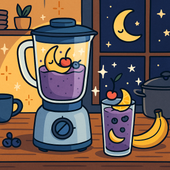
Sleep-Friendly Smoothie Recipes
Melatonin is your body’s natural sleep signal — a hormone that tells your brain when it’s time to rest. Learn how melatonin works, which foods and habits boost its production, and how to use it wisely for deeper, more restorative sleep without dependence. 💤
-
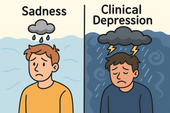
The Difference Between Sadness and Clinical Depression
Your emotions aren’t just in your mind — they’re written in your brain chemistry. Serotonin, dopamine, and GABA work together to regulate mood, motivation, and calm. When they fall out of balance, you may feel anxious, fatigued, or low. Learn how these brain chemicals influence your mental health and what you can do to restore harmony naturally. 🌿
-
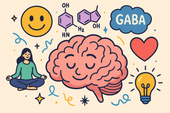
How Brain Chemistry Influences Mood
Your brain is a symphony of neurotransmitters — serotonin, dopamine, GABA, and more — working together to shape how you think and feel. When they’re balanced, you experience calm focus and emotional stability. When they’re not, mood swings and fatigue can follow. Learn how to naturally support these vital messengers for better mood and mental clarity. 🌿
-

How to Fall Asleep in Under 10 Minutes
The military knows a few secrets about falling asleep fast — and they work even in chaos. This article explores the science behind rapid relaxation, including the famous “Military Sleep Method,” which teaches your body to shut down stress and rest on command. Learn how discipline, breath, and focus can help anyone fall asleep in minutes. 🌙
