
Can NAC (N-Acetyl Cysteine) Improve Awareness of Emotional Triggers?
🌿 Introduction: When Awareness Meets Chemistry
We’ve all had moments where we “snap” — reacting before thinking. A sudden rush of anger, anxiety, guilt, or shame that seems to come out of nowhere. Later, we wonder, “Why did that hit me so hard?”
Those flashes of emotion are triggers — automatic reactions stored deep in the limbic system. They’re often linked to past stress, unresolved emotions, or even biochemical imbalances in the brain.
Developing awareness of emotional triggers is key to emotional intelligence and self-regulation. But here’s the lesser-known truth: this awareness depends not just on mindfulness — but also on your neurochemistry.
That’s where N-Acetyl Cysteine (NAC) enters the picture.
Known for decades as a liver detoxifier and antioxidant, NAC is now gaining attention for its powerful effects on mental clarity, impulse control, and emotional regulation.
In this article, we’ll explore how NAC may enhance emotional awareness, help calm reactivity, and create a biochemical environment for mindful reflection — especially when combined with breathwork, journaling, and therapy.
Looking for supplements for Brain Fog? Click here.
🧬 Section 1: Understanding Emotional Triggers
Emotional triggers are automatic reactions — thoughts, sensations, or feelings that arise when something reminds your nervous system of past pain or threat.
They’re not always logical. They’re learned survival patterns.
Your amygdala scans for danger 24/7, even subtle cues.
When it detects a threat (real or imagined), it floods your system with cortisol and adrenaline.
The prefrontal cortex, responsible for rational thought, goes offline.
That’s why triggers feel overwhelming: your body reacts faster than your mind can interpret.
To stay aware in these moments, you need two things:
🧘 A calm nervous system that allows observation before reaction.
⚡ Stable neurotransmitters that support emotional regulation and focus.
This is where NAC’s neurochemical role becomes fascinating.
🧠 Section 2: What Is NAC?

N-Acetyl Cysteine (NAC) is a supplemental form of cysteine, a sulfur-containing amino acid.
It’s the precursor to glutathione — your body’s most powerful antioxidant.
Traditionally, NAC has been used to:
Detoxify the liver
Treat acetaminophen overdose
Support lung function by thinning mucus
But in recent years, research has uncovered remarkable effects on the brain, especially in emotional regulation, compulsive behavior, and mood stability.
Why? Because NAC affects glutamate, the brain’s main excitatory neurotransmitter — and oxidative stress, a major cause of emotional dysregulation.
⚖️ Section 3: The Neurochemistry of Awareness
For self-awareness to arise, your brain needs a stable environment — one that allows you to observe sensations without being hijacked by them.
NAC influences three key systems that support this state:
🌿 Glutamate Regulation
Glutamate is essential for learning and emotional processing — but too much causes overstimulation, anxiety, and intrusive thoughts.
NAC helps regulate glutamate by restoring balance between the prefrontal cortex and limbic system — helping you respond instead of react.
💫 Antioxidant Defense (Glutathione)
Chronic stress produces free radicals that damage brain cells, particularly in emotion-related regions like the amygdala.
By boosting glutathione, NAC reduces this oxidative “noise,” clearing the mental fog that often hides emotional insight.
🧘 Dopamine and Impulse Control
NAC supports dopamine modulation, improving impulse control and reducing compulsive behaviors.
This creates the inner space needed to observe emotions rather than act them out.
❤️ Section 4: How NAC May Improve Awareness of Emotional Triggers
🧘 Reducing Emotional Overload
By calming overactive glutamate signaling, NAC helps prevent emotional “flooding.” You can feel your emotions without drowning in them.
🔄 Supporting Reflection After Reactivity
When triggers arise, NAC helps restore prefrontal activity faster — allowing you to think clearly and reflect rather than spiral.
💭 Enhancing Insight and Self-Observation
Improved neurotransmitter balance increases interoceptive awareness — the ability to sense internal states like heartbeat, tension, and breath.
You become more attuned to the early signs of emotional activation.
🌿 Protecting Against Stress-Induced Damage
Oxidative stress and inflammation blunt emotional sensitivity over time. NAC protects brain cells, preserving your ability to feel fully without dysregulation.
🌼 Section 5: Emotional Awareness Is Biological
Think of awareness as a signal. If your brain’s “wires” are inflamed, frayed, or overloaded with noise, you can’t receive the signal clearly.
NAC helps quiet that noise.
It doesn’t make emotions disappear — it lets you listen to them more clearly.
That’s why many people report a subtle shift after weeks of NAC use:
“I notice my feelings earlier.”
“I can pause before reacting.”
“I feel less overwhelmed.”
It’s not sedation — it’s stabilization.
💊 Section 6: Optimal NAC Supplementation
Typical Dosage
500–1,000 mg once or twice daily
Best taken on an empty stomach or between meals
Synergistic Nutrients
| Nutrient | Why It Helps | Best Pairing |
|---|---|---|
| Vitamin C | Regenerates glutathione | 500–1,000 mg/day |
| Selenium | Cofactor for antioxidant enzymes | 100–200 mcg/day |
| B-Complex | Supports neurotransmitter production | Morning dose |
| Magnesium Glycinate | Calms the nervous system | Evening dose |
🧠 Note: NAC can interact with certain medications (e.g., nitroglycerin) — always consult your healthcare provider.
Looking for supplements for Brain Fog? Click here.
🌬️ Section 7: Breathwork + NAC for Emotional Balance
Breathwork activates the vagus nerve, improving communication between body and brain.
Combined with NAC’s regulation of neurotransmitters, the result is profound calm and clarity.
🌾 Coherent Breathing (5–5 Pattern)
Inhale for 5, exhale for 5 — 10 minutes daily.
💫 Effect: Reduces cortisol, increases heart-brain coherence.
🌿 Pair with: Morning NAC dose.
🌸 Extended Exhale Breathing
Inhale 4 → Exhale 8.
🧘 Effect: Strengthens parasympathetic response.
🌿 Pair with: NAC + Magnesium for evening decompression.
🌙 4-7-8 Breathing for Trigger Recovery
Inhale 4 → Hold 7 → Exhale 8.
💫 Effect: Resets emotional overwhelm after a trigger.
These techniques create physiological safety — the foundation for emotional awareness.
Want to try Breathwork? Click Here.
✍️ Section 8: Journaling to Map Emotional Triggers
NAC quiets emotional noise; journaling translates it into insight.
Daily Prompts
“When today did I feel emotionally charged?”
“What sensation in my body warned me first?”
“What story did my mind tell me in that moment?”
“What truth might lie underneath that reaction?”
💊 Best paired with: Evening NAC + Magnesium for reflective clarity.
Over time, patterns emerge — specific themes, bodily sensations, or recurring fears — revealing your personal emotional blueprint.
💬 Section 9: Therapy Integration

Therapy and NAC form a complementary pair: one stabilizes your chemistry, the other rewires your perspective.
❤️ Compassion-Focused Therapy (CFT)
CFT helps reduce self-criticism and shame — emotional triggers often rooted in unmet needs.
🌿 NAC helps by lowering limbic reactivity, allowing more compassionate processing.
🧩 Acceptance and Commitment Therapy (ACT)
ACT trains you to observe thoughts without identification.
🌿 NAC supports this detachment by improving prefrontal control during emotional surges.
🌸 Somatic Therapy
Teaches you to feel emotions in the body rather than intellectualize them.
🌿 NAC enhances body awareness through improved vagal tone and reduced oxidative stress.
🧠 Cognitive Behavioral Therapy (CBT)
Focuses on identifying distorted thought patterns.
🌿 NAC enhances clarity, helping clients separate emotion from cognition.
Looking for online therapy ? Click Here.
🌺 Section 10: A Sample Emotional Awareness Routine
| Time | Practice | Supplement | Goal |
|---|---|---|---|
| 🌅 Morning | Coherent breathing + intention setting | NAC + Vitamin C | Calm focus |
| ☀️ Midday | Reflective journaling | — | Awareness of body cues |
| 🌇 Evening | 4-7-8 breathing + gratitude log | NAC + Magnesium | Release tension |
| 🌙 Before bed | Reflection: “What did I learn about myself today?” | — | Emotional integration |
This structured routine blends biochemical stability with mindfulness, creating a sustainable practice of emotional observation.
⚖️ Section 11: The Research on NAC and Emotional Regulation
NAC has shown promise in studies across several emotional and behavioral domains:
🧠 Addiction Recovery: NAC reduces cravings by normalizing glutamate transmission (LaRowe et al., 2007).
💭 Obsessive-Compulsive Symptoms: Studies show improvement in compulsive behavior and intrusive thought regulation (Grant et al., 2009).
❤️ Depression and Anxiety: NAC’s antioxidant properties reduce oxidative stress linked to mood disorders (Fernandes et al., 2016).
⚡ PTSD and Emotional Reactivity: NAC appears to improve resilience and calm reactivity by enhancing glutathione and GABA activity (Back et al., 2016).
While not a “cure,” NAC provides the neurochemical foundation for emotional work to actually stick.
🌈 Section 12: Emotional Awareness as a Biochemical Experience
Awareness is not just mental — it’s felt through the body’s chemistry.
When neurotransmitters and hormones are balanced, awareness becomes easier.
You notice your triggers sooner.
You understand them without judgment.
You respond from the prefrontal cortex, not the amygdala.
NAC acts like a grounding cable — keeping emotional electricity steady so awareness can flourish.
🌿 Section 13: Combining NAC with Other Supportive Practices
Yoga and Movement – Enhances circulation and glutathione levels.
Mindful Nutrition – Avoid inflammatory foods that spike cortisol.
Therapeutic Dialogue – Discuss patterns observed while on NAC.
Breath + Journaling Integration – Keeps emotional processing embodied.
The result? A neurosomatic partnership between your brain chemistry and your inner observer.
🧘 Section 14: Awareness as a Skill
NAC can’t make you self-aware on its own — but it can make awareness possible.
When your body stops living in fight-or-flight, you finally have the mental stillness to:
Recognize emotional triggers
Pause before reacting
Choose alignment over impulse
It’s not suppression — it’s sovereignty.
🌙 Section 15: Safety and Practical Notes
NAC is generally well-tolerated but may cause mild nausea if taken without food.
Drink plenty of water to support detox pathways.
Avoid combining with excessive antioxidants unless medically advised.
Always use reputable, third-party-tested supplements.
Consistency is key: emotional clarity builds gradually as your brain chemistry stabilizes.
💫 Section 16: The Deeper Meaning — Chemistry as Consciousness
Modern neuroscience is blurring the line between biology and awareness.
Your emotions are not just psychological — they’re biochemical signals of meaning.
NAC doesn’t dull those signals; it refines them.
When the “static” of oxidative stress fades, emotional patterns emerge with clarity.
You begin to notice subtle cues:
The tightening chest before frustration.
The heat rising before anger.
The subtle pull of sadness behind irritation.
This is emotional awareness in its truest form — not analysis, but attunement.
“When you can feel your triggers without becoming them, you are truly free.”
🧠 Section 17: Key Takeaways
✅ NAC regulates glutamate and boosts glutathione, calming emotional overactivity.
✅ It enhances reflection, emotional clarity, and body-based awareness.
✅ Combine NAC with breathwork, journaling, and therapy for full integration.
✅ Awareness isn’t only mental — it’s biochemical harmony in motion.
📚 References
Berk, M. et al. (2008). N-Acetyl cysteine for depressive symptoms in bipolar disorder. Biological Psychiatry.
Grant, J. E. et al. (2009). N-Acetyl cysteine, a glutamate modulator, in the treatment of trichotillomania. Arch Gen Psychiatry.
LaRowe, S. D. et al. (2007). N-Acetyl cysteine attenuates cocaine-induced craving. Am J Psychiatry.
Fernandes, B. S. et al. (2016). Oxidative stress and NAC supplementation in mood disorders. J Clin Psychiatry.
Back, S. E. et al. (2016). N-Acetyl cysteine for PTSD and substance use. Psychopharmacology.
Dean, O. M. et al. (2012). NAC in psychiatry: current evidence and potential mechanisms. J Clin Psychopharmacol.
Gilbert, P. (2014). Compassion Focused Therapy. Routledge.
Hayes, S. C. et al. (2011). Acceptance and Commitment Therapy. Guilford Press.
Nagendra, H. R., & Telles, S. (2010). Breathwork and neurophysiology. Int J Yoga.
Related Posts
-
Natural Pre-Workout Supplements for Motivation and Mental Sharpness
Adaptogens are nature’s stress balancers 🌿 — powerful herbs like Ashwagandha, Rhodiola, and Holy Basil that help your body stay calm, focused, and resilient. By regulating cortisol and supporting energy balance, they boost motivation, endurance, and emotional stability — naturally. 🌞🧠
-
The Role of Vitamin D in Mental Drive and Ambition
Motivation is more than mindset — it’s energy in motion ⚡🧠. It comes from a balance of biology, emotion, and purpose. When your brain, body, and habits align, drive becomes effortless. Learn how to spark consistency, overcome dips, and build unstoppable momentum naturally. 🌿✨
-
Serotonin, Dopamine, and Motivation: Can Supplements Really Help?
Ginseng is the ultimate vitality root 🌿⚡ — long praised for enhancing focus, energy, and motivation without the crash. By balancing stress hormones, boosting dopamine, and improving brain oxygenation, this adaptogenic powerhouse helps you feel clear, strong, and ready to take action. 🧠✨
-
How Ginseng Helps Support Drive, Motivation, and Energy
Ginseng is nature’s endurance root 🌿⚡ — a timeless adaptogen that fuels focus, drive, and resilience from the inside out. By balancing cortisol, boosting dopamine, and supporting mitochondrial energy, ginseng helps you feel clear, strong, and steady — no crash, just sustainable vitality. 🧠✨
-
The Stress–Motivation Connection: Supplements That Balance Cortisol
Vitamin D — the “sunshine nutrient” ☀️ — plays a crucial role in mental health, motivation, and energy regulation. Low levels can lead to fatigue, low mood, and sluggish focus. Learn how sunlight, nutrition, and supplementation can restore your inner light and boost emotional balance naturally. 🌿🧠
-
When Low Mood Drains Your Drive: Natural Support Options
Vitamin D is more than the “sunshine vitamin” ☀️ — it’s a key player in mood, motivation, and overall brain health. Low levels can lead to fatigue, low drive, and seasonal sadness. Learn how sunlight, supplements, and nutrition can help restore balance and lift your emotional energy naturally. 🌿🧠
-

How Adaptogenic Herbs Help You Stay Consistent
Adaptogens are nature’s resilience enhancers 🌿. From Ashwagandha to Rhodiola and Holy Basil, these herbs help your body adapt to stress, balance cortisol, and maintain steady energy. Learn how they build inner stability — keeping your focus, mood, and motivation consistent through life’s ups and downs. ⚡🧘
-
Can Creatine Boost Mental Drive as Well as Physical Performance?
IQ, or intelligence quotient, measures more than problem-solving — it reflects how efficiently your brain processes, adapts, and connects ideas 🧠⚡. While genetics play a role, lifestyle, nutrition, and brain health all influence cognitive performance. Learn how to support mental sharpness and cognitive growth naturally. 🌿✨
-
The Link Between Gut Health and Motivation: Probiotics Explained
Serotonin — the “feel-good” neurotransmitter 🌞 — plays a powerful role in mood, motivation, and overall emotional balance. Produced mostly in the gut, it connects digestion, happiness, and focus through the gut-brain axis. Learn how to naturally support serotonin for calmer energy and lasting motivation. 🌿✨
-
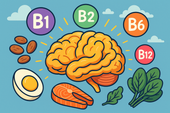
How B Vitamins Fuel Motivation and Energy at the Cellular Level
B vitamins are the body’s natural energy engines ⚡. They convert food into fuel, support dopamine for motivation, and power brain cells at the mitochondrial level. From B1 to B12, these nutrients help you stay focused, resilient, and full of drive — every single day. 🌿🧠
-
Supplements That Support Mental Endurance for Long Projects
Mindset is more than motivation — it’s the mental framework that shapes how you respond to challenges and pursue goals 🌿🧠. A growth mindset turns obstacles into opportunities, while a fixed mindset fuels self-doubt. Learn the science behind mental resilience and how to cultivate a mindset that sustains focus, creativity, and long-term success. ✨
-
How Omega-3s Influence Drive, Creativity, and Problem-Solving
Sleep isn’t just rest — it’s the foundation of mental clarity, emotional balance, and motivation 🌙💤. During deep sleep, your brain resets stress hormones, consolidates memory, and clears away mental fog. Learn how better sleep supports neuroplasticity, creativity, and lasting energy for your day. 🌿✨
-
Can Magnesium Improve Your Focus and Motivation?
Caffeine is the world’s favorite stimulant ☕ — boosting alertness, sharpening focus, and lifting motivation within minutes. But there’s real science behind that morning cup. Learn how caffeine works on adenosine and dopamine, how to avoid the crash, and how to use it strategically for sustained energy and mental performance. ⚡🧠
-
The Role of L-Theanine and Caffeine in Daily Motivation
Cortisol — often called the “stress hormone” — is both your alarm system and your reset button ⚡. It keeps you alert in the morning and helps you recover after challenges, but when it stays high too long, it drains your mood and energy. Learn how to balance cortisol naturally for steady focus, calm, and motivation. 🌿
-
Supplements That Support Dopamine for Drive and Reward
Curcumin — the golden compound in turmeric — is more than a spice 🌿✨. It’s a powerful anti-inflammatory that protects dopamine neurons, supports brain clarity, and enhances mood. Learn how curcumin’s antioxidant properties help stabilize energy, reduce brain fog, and promote emotional resilience naturally. 🌼
-
Brain Fog vs Lack of Motivation: What’s Really Holding You Back?
Hormones are the body’s invisible messengers — shaping energy, mood, focus, and motivation 🧠🌿. When they’re balanced, you feel clear, confident, and emotionally steady. Learn how key hormones like cortisol, serotonin, dopamine, and estrogen interact to influence your mental well-being and what you can do to keep them in harmony naturally. ✨
-

Supplements for Staying Collected During Disagreements
Science helps us understand why we feel, react, and change 🌿🧠. From brain chemistry to neurotransmitters and hormones, every emotional response has a biological root. Explore how research in neuroscience and psychology reveals practical ways to stay balanced, focused, and emotionally strong in daily life. 🔬✨
-

Managing Anger While Traveling
Supplements can help calm your nervous system and keep your emotions balanced while on the go 🌿. From magnesium and ashwagandha to L-theanine and omega-3s, learn how natural nutrients support stress resilience, focus, and emotional control — even through long flights, delays, and unpredictable travel days. ✈️
-
How to Keep Your Temper in Online Debates
Supplements can do more than fill nutritional gaps — they can help balance your energy, focus, and stress response naturally 🌿. From adaptogens to amino acids, the right nutrients support your brain chemistry and hormonal harmony for calm, steady productivity. Discover how supplements can build long-term resilience without the crash. ⚡🧠
-

Supplements to Stay Calm Before Public Speaking
Breathwork is one of the simplest yet most powerful tools for calming pre-performance stress 🌬️. By slowing and deepening your breathing, you lower cortisol, steady your heartbeat, and re-center your mind. Learn the science behind how controlled breathing activates your parasympathetic nervous system — helping you speak, perform, or focus with grounded confidence. 🌿
-

How to Handle Customer Service Stress Without Losing Your Cool 💬🧘♀️
Customer service can test even the calmest person’s patience. 😤 Learn how to handle difficult clients and daily pressure without losing your cool — through better mindset management, calming breathwork, and practical communication tools. Stay grounded, protect your energy, and transform stress into strength. 🌿
-
How Adaptogens Like Ashwagandha Keep You Motivated Under Stress
Feeling overwhelmed and unmotivated? 🌿 Discover how adaptogens like Ashwagandha can help you stay centered, focused, and energized under stress. Learn how supplements, breathwork, and therapy work together to restore your natural motivation and help you thrive — even during life’s toughest moments. 💪✨
-
Supplements That Support Long-Term Productivity Without the Crash ⚡🌿
Cortisol — your body’s main stress hormone — can be both your best friend and worst enemy. ⚡ When balanced, it keeps you focused, energized, and ready to act. But when it stays high for too long, it leads to fatigue, anxiety, and emotional crashes. Learn how to regulate cortisol naturally through supplements, sleep, and stress management to maintain calm, steady productivity. 🌿
-
Why Energy Levels and Motivation Go Hand in Hand ⚡🧠
B-vitamins are the brain’s spark plugs 🔋. They turn food into fuel, support neurotransmitter production, and keep your mood, energy, and focus balanced. Learn how vitamins like B6, B9, and B12 work together to power the nervous system, reduce fatigue, and keep motivation high. 🌿
-
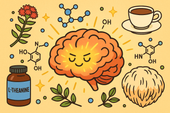
The Science of Motivation: Can Nootropics Help You Stay Focused? 🧠⚡
Nootropics are nature’s tools for sharper thinking and sustainable focus 🧠🌿. From Rhodiola and Lion’s Mane to L-theanine and Bacopa, these brain-boosting compounds enhance motivation, memory, and stress resilience. Learn the science behind how nootropics work — and how to use them safely for peak mental performance and clarity. ⚡
-
How Natural Supplements Can Boost Your Daily Drive
Cortisol is your body’s main stress hormone — powerful, necessary, but often misunderstood. ⚡ When balanced, it keeps you alert and energized; when chronically elevated, it drains mood, motivation, and focus. Learn how to regulate cortisol naturally through nutrition, supplements, and calming lifestyle habits for steady energy and emotional balance. 🌿
-
Ashwagandha for Stress and Low Mood
Breathwork is more than a relaxation tool — it’s a way to rewire your nervous system. 🌬️ Through intentional breathing, you can reduce stress hormones, improve focus, and calm emotional turbulence. This guide explores the science of breathwork and its powerful effects on mental clarity, resilience, and emotional regulation. 🌿
-
Mood-Boosting Smoothie Recipes
Your blood sugar affects far more than energy — it influences mood, focus, and emotional stability too 🍎. Learn how maintaining balanced glucose levels supports brain health, reduces anxiety, and prevents emotional crashes. Discover the foods and habits that keep your mind calm and your energy steady throughout the day. 🌿
-
How Healthy Fats Support Brain Function
Your brain thrives on healthy fats 🧠💧. From omega-3s to MCTs, the right fats enhance focus, memory, and mood while protecting against inflammation and aging. This article explores how good fats — like those from olive oil, salmon, avocado, and nuts — build sharper thinking, emotional balance, and lasting brain vitality. 🌿
-
The Role of Protein in Mental Clarity
Protein isn’t just for muscles — it’s for your mind. 🧠 This guide explores how amino acids from high-quality protein fuel neurotransmitters, stabilize mood, and sharpen focus. Learn how balanced protein intake supports dopamine, serotonin, and energy regulation to boost mental clarity and emotional stability naturally. 🍳🌿
-
Nutrients That Support Emotional Stability
Your emotions are built from nutrients as much as from thoughts 🌿. This science-backed guide reveals the vitamins, minerals, and healthy fats that stabilize mood and reduce stress — from B-vitamins and magnesium to omega-3s and probiotics. Learn how balanced nutrition supports neurotransmitters, strengthens resilience, and promotes lasting calm and clarity 🧠✨.
-
How Caffeine Affects Your Mood ☕
Your morning coffee might lift your spirits — but what’s really happening inside your brain? ☕ This in-depth guide explores how caffeine affects mood, motivation, dopamine, and stress. Learn how to enjoy caffeine mindfully without triggering anxiety, burnout, or emotional crashes. Discover the science behind your energy highs and lows — and how to find calm, sustainable focus. 🌿
-
The Best Anti-Inflammatory Diet for Mental Health
Inflammation doesn’t just affect your body — it impacts your mood, focus, and emotional resilience too 🌿. This comprehensive guide reveals how an anti-inflammatory diet can support mental health by reducing neuroinflammation, balancing gut bacteria, and stabilizing blood sugar. Learn which foods to eat (and which to avoid) to protect your brain, boost serotonin, and promote lasting calm. 🧠✨
-

Why Sugar Spikes Can Worsen Depression
Sugar highs can make you feel good for a moment — but what comes next can fuel emotional crashes and deepen depression 🍭. This article explains how blood sugar spikes disrupt brain chemistry, increase inflammation, and destabilize serotonin. Learn how food, supplements, breathwork, and therapy can help you break the sugar–mood cycle and restore lasting emotional balance 🌿.
-
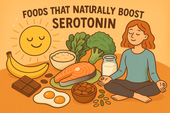
Foods That Naturally Boost Serotonin
Serotonin isn’t just a brain chemical — it’s your body’s built-in mood stabilizer 🌞. This in-depth guide explores how natural foods like salmon, eggs, bananas, and dark chocolate can elevate serotonin levels, while gut health, key nutrients, supplements, breathwork, and therapy create the perfect synergy for calm and emotional balance. Learn how to support your mind through diet, lifestyle, and mindset — naturally. 🌿
-
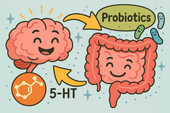
Probiotics for Mood Balance
-
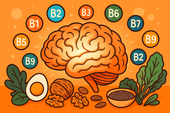
B-Vitamins and Their Role in Mental Health
Methylation is one of your body’s most important biochemical processes — influencing mood, energy, and focus. Powered by B-vitamins like B6, B9, and B12, it helps your brain create serotonin, detox efficiently, and maintain emotional balance. 🌿
-
5-HTP for Serotonin Support
Calm isn’t just an emotion — it’s a physiological state where your body and mind finally sync in peace. By slowing your breath, softening your thoughts, and creating safety within, you restore the deep relaxation your nervous system craves. 🌿
-

St. John’s Wort for Mild Depression
Antidepressants can be life-changing for many — but understanding how they work and what natural options like St. John’s Wort can complement them is key. Learn how both approaches affect brain chemistry, mood balance, and long-term emotional wellness. 🌿
-
SAM-e: A Natural Mood Booster
Emotional regulation is the art of staying calm and grounded, even when life feels chaotic. By balancing your brain, body, and breath, you can respond with clarity instead of reacting from stress — building real emotional resilience and inner peace. 🌿
-

Rhodiola Rosea for Emotional Resilience
Neuroplasticity is your brain’s ability to grow, adapt, and heal — even after stress or trauma. Every thought, emotion, and habit reshapes your neural pathways, helping you build stronger emotional resilience, sharper focus, and lasting mental balance. 🌿
-
Ashwagandha for Stress and Low Mood
Adaptogens are nature’s stress balancers — powerful herbs like ashwagandha, rhodiola, and reishi that help your body adapt to tension, fatigue, and change. By regulating cortisol and supporting your nervous system, they build calm focus and emotional resilience from the inside out. 🌙
-
Magnesium’s Role in Emotional Regulation
Neuroscience helps us understand why we feel, think, and react the way we do. From brain chemistry and neural circuits to stress responses and emotional learning, the science of the brain reveals how our minds can heal, grow, and find balance. 🌿
-
Omega-3 Fatty Acids and Emotional Well-Being
Nutrients aren’t just fuel — they’re communication signals that tell your brain and body how to function. From magnesium and vitamin D to omega-3s and B vitamins, the right mix of nutrients helps calm your mind, balance hormones, and support emotional and physical well-being. 🌙
-
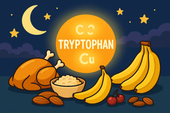
The Role of Tryptophan in Sleep Health
Mental health isn’t just the absence of illness — it’s the foundation of calm, focus, and emotional resilience. From managing stress and anxiety to nurturing self-compassion, understanding your mental well-being is the first step toward a balanced, more peaceful life. 🌿
-

Nutrients That Promote Nighttime Relaxation
Potassium does more than balance fluids — it also helps your body and mind relax at night. By calming nerves, reducing muscle tension, and supporting steady heart rhythm, potassium-rich foods like bananas, sweet potatoes, and coconut water can promote deeper, more restful sleep. 🌙
-
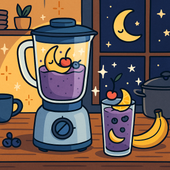
Sleep-Friendly Smoothie Recipes
Melatonin is your body’s natural sleep signal — a hormone that tells your brain when it’s time to rest. Learn how melatonin works, which foods and habits boost its production, and how to use it wisely for deeper, more restorative sleep without dependence. 💤
-
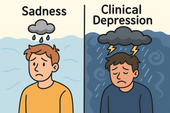
The Difference Between Sadness and Clinical Depression
Your emotions aren’t just in your mind — they’re written in your brain chemistry. Serotonin, dopamine, and GABA work together to regulate mood, motivation, and calm. When they fall out of balance, you may feel anxious, fatigued, or low. Learn how these brain chemicals influence your mental health and what you can do to restore harmony naturally. 🌿
-
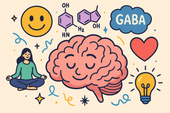
How Brain Chemistry Influences Mood
Your brain is a symphony of neurotransmitters — serotonin, dopamine, GABA, and more — working together to shape how you think and feel. When they’re balanced, you experience calm focus and emotional stability. When they’re not, mood swings and fatigue can follow. Learn how to naturally support these vital messengers for better mood and mental clarity. 🌿
-
How to Fall Asleep in Under 10 Minutes
The military knows a few secrets about falling asleep fast — and they work even in chaos. This article explores the science behind rapid relaxation, including the famous “Military Sleep Method,” which teaches your body to shut down stress and rest on command. Learn how discipline, breath, and focus can help anyone fall asleep in minutes. 🌙
